
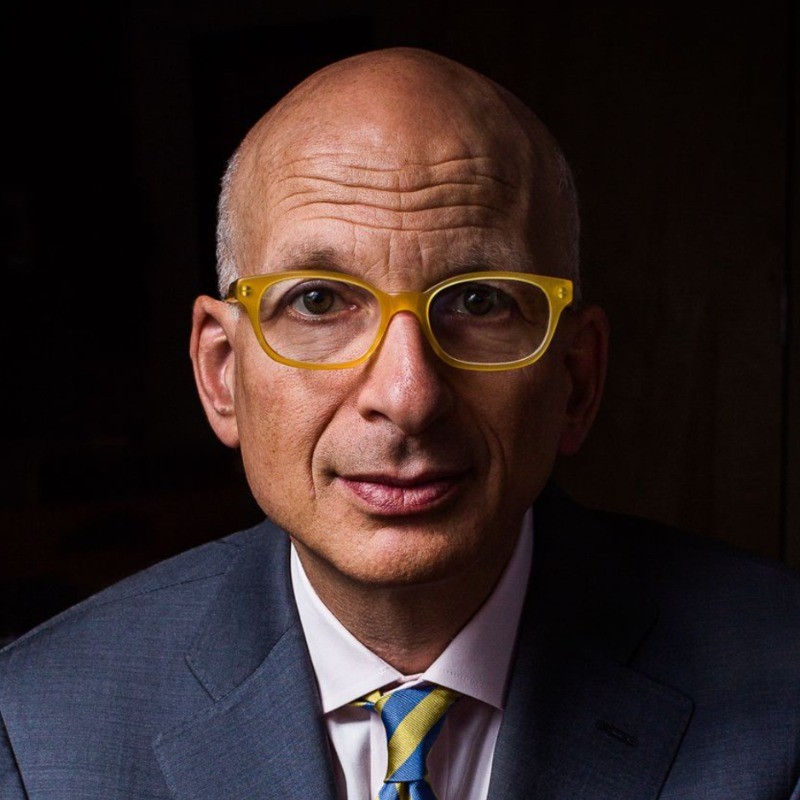
In a recent LinkedIn post, Seth Godin 🌔 discusses the profound impact that shifts in media technology have on the messages we consume and create, drawing parallels from the history of music and broader societal changes.
Seth Godin 🌔 highlights how new platforms have historically enabled new forms of expression and cultural movements. He begins by tracing the genesis of rock and roll to the advent of the transistor radio.
“Rock and roll came from the transistor radio. When Sony launched its cheap portable radio more than sixty years ago, it came with a headphone. For the first time in history, teenagers could listen to music without their parents eavesdropping. This opened the door to Chuck Berry and then the Beatles.”
The Evolution of Music Through Media
As Seth Godin 🌔 explains, the accessibility provided by portable radios democratized music listening, creating an audience that propelled artists like Chuck Berry and The Beatles to stardom. This was followed by the rise of FM radio, which, according to Seth Godin 🌔, fostered a different kind of musical landscape.
“Steely Dan came from FM radio. Once the number of stations doubled, these new stations needed an alternative to the more common AM hits. And so we get the Doors and Jimi Hendrix,” Seth Godin 🌔 writes.
Seth Godin 🌔 further illustrates this point by discussing the challenges faced by rap and hip hop, noting that their widespread dissemination was significantly aided by the visual medium of MTV. Similarly, he points to the role of YouTube in the success of contemporary artists like Taylor Swift.
Beyond Music: Societal Transformations Driven by Media
The author’s analysis extends beyond the realm of music, asserting that media revolutions have consistently reshaped societies. Seth Godin 🌔 draws a direct line from the invention of the Gutenberg press to political shifts in Europe and the transformative power of radio in the 1920s.
“The smartphone has transformed our discourse and created division in the same way,” Seth Godin 🌔 observes, emphasizing the disruptive power of current media technologies on public conversation and social cohesion.
The Inevitable Change in Messages
Seth Godin 🌔 concludes by framing the current era as a period of unprecedented media transformation.
“We’re now facing the biggest shuffling of media in our history. The messages will inevitably change as a result.”
He credits Marshall McLuhan for foundational ideas in this area. Seth Godin 🌔’s post, originally from his blog, underscores the idea that understanding the medium is crucial to understanding the message and its cultural impact. The core argument presented is that as the channels through which we communicate evolve, so too must the nature and content of the information being shared.
📝 About This Content
This article is based on insights shared by Seth Godin 🌔 on LinkedIn.
📅 Originally posted on October 1, 2026 | View original post on LinkedIn →