
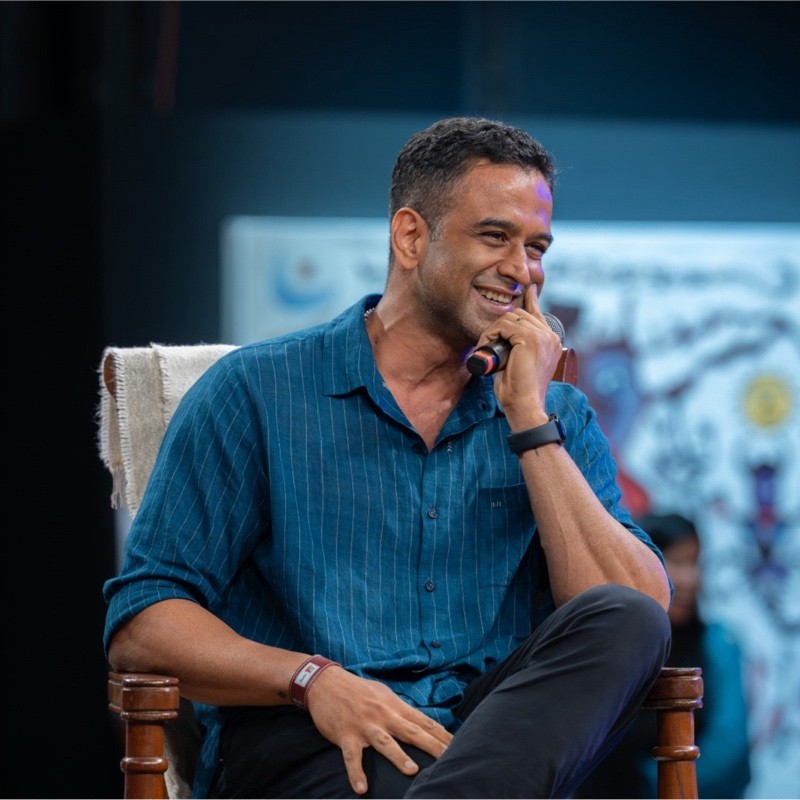
In a recent LinkedIn post, Nithin Kamath, co-founder and CEO of Zerodha, discusses the company’s unique approach to leadership development, emphasizing a strong preference for promoting from within over external hiring for senior roles. Kamath highlights that this strategy has been instrumental in maintaining Zerodha’s distinct organizational culture.
Kamath shared that a significant aspect of Zerodha’s operational philosophy is its reliance on internal talent for leadership positions. He pointed out that the vast majority of current leaders have risen through the ranks of the organization. This is particularly noteworthy given that many of these individuals joined Zerodha early in their careers and do not necessarily possess traditional, high-profile educational backgrounds.
The Value of Internal Cultural Immersion
A core argument presented by Kamath is the inherent advantage of leaders who have grown with the company. He explained the benefit of this approach:
“Having leaders who come from within the organisation is valuable because they understand the culture instinctively. You don’t have to put in effort to explain how we think, what we value, or how we make decisions.”
According to Nithin Kamath, this deep-seated understanding of Zerodha’s culture eliminates the need for extensive onboarding or re-education regarding the company’s core principles and decision-making processes. This allows for smoother operations and faster execution of strategies.
Case Study: Mohammed Shoaib’s Journey
To illustrate his point, Kamath cited the example of Mohammed Shoaib. Shoaib’s career trajectory at Zerodha exemplifies the internal growth model. He began his journey as a support agent, demonstrating that opportunities for advancement are available regardless of starting position. His progression continued as he took on the role of heading account opening, eventually leading to his current position as head of HR.
Shaping Culture from the Top
Kamath further elaborated on the influence of leadership on organizational culture. He stated:
“Ultimately, the people at the top end up shaping an organisation’s culture to a large degree. So having people who have imbibed that culture for years makes running the business so much easier.”
In Nithin Kamath’s view, this internal alignment is crucial for effective business management. When leaders have spent years immersed in the company’s ethos, they are better equipped to guide the organization and make decisions that are consistent with its values and long-term vision. This contrasts with the potential challenges of integrating external leaders who may bring different cultural norms or perspectives that could disrupt the existing harmony.
Strategic Implications for Business Growth
The emphasis on internal promotion suggests a strategic choice by Zerodha to prioritize cultural cohesion and employee development. As Kamath implies, this method fosters loyalty and a shared commitment among leadership, potentially leading to greater stability and efficiency in the long run. While external hires can bring fresh perspectives, Kamath’s post indicates that for Zerodha, the benefits of deeply ingrained cultural understanding within its leadership team outweigh the potential advantages of outside recruitment for senior roles.
Kamath concluded his post by mentioning that a full episode discussing this topic is available via a link in the comments, inviting further engagement from his audience on this aspect of organizational development.
📝 About This Content
This article is based on insights shared by Nithin Kamath on LinkedIn.
📅 Originally posted on September 30, 2026 | View original post on LinkedIn →