
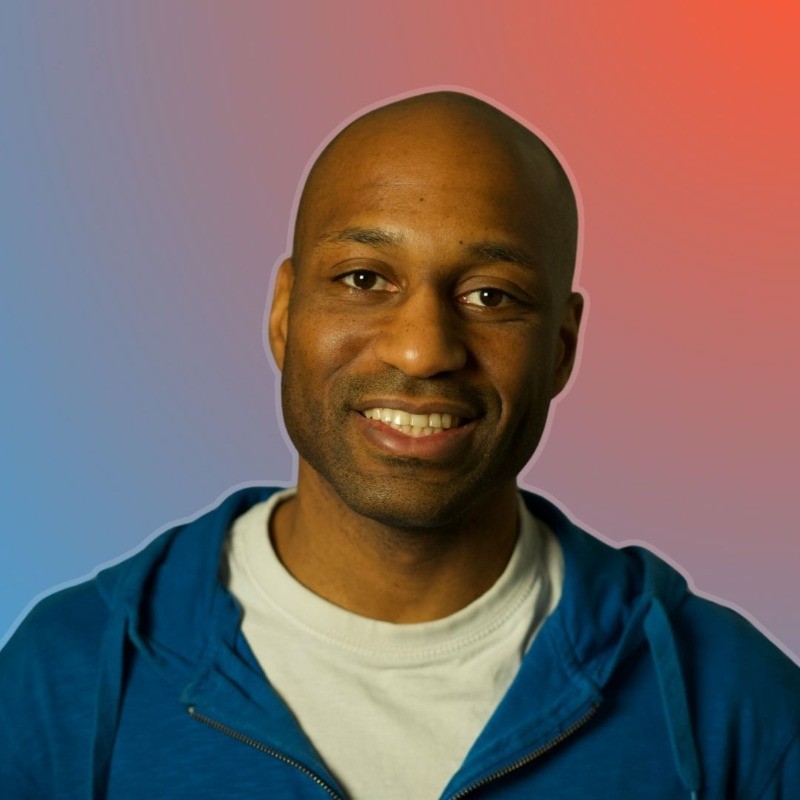
In a recent LinkedIn post, Kobi Omenaka humorously highlights the peculiar human tendency to anthropomorphize artificial intelligence, even when fully aware of its non-sentient nature. Omenaka shares a relatable anecdote about interacting with Claude, an AI chatbot, detailing how politeness inadvertently consumed a significant portion of their allotted session limit.
The author begins by recounting a common AI user experience: the accidental engagement with the AI, which then consumes valuable interaction resources. Omenaka writes:
“You accidentally say hello to Claude. It answers back and it eats 8% of your session limit. D’OH!”
This initial observation sets the stage for a deeper reflection on the ingrained social behaviors that carry over into our interactions with advanced technology. As Omenaka points out, the cost of these polite exchanges extends beyond mere session limits.
The Cost of AI Manners
Kobi Omenaka emphasizes that even a small, seemingly inconsequential interaction can have a tangible impact on the usability of AI tools, especially those with session constraints. The author notes the surprising amount of a daily or weekly allowance that can be depleted by simple courtesies.
“That’s a chunk of your Friday allowance, gone, on manners. Worst part: I still say please. Every time.”
This candid admission underscores a key theme: our deeply ingrained social programming often overrides our rational understanding of AI. Omenaka’s personal experience serves as a microcosm for a broader human behavior pattern.
The Unconscious Social Contract with AI
Despite understanding that AI like Claude is not a person and does not possess feelings or consciousness, users often find themselves defaulting to polite social conventions. Omenaka articulates this internal conflict clearly.
“I know Claude isn’t real. I do it anyway. And if you’ve ever apologised to it for giving it the wrong file, you’re among friends here.”
This sentiment resonates with many who have engaged with AI assistants, chatbots, or virtual companions. The act of apologizing for providing incorrect information or for interrupting the AI’s process highlights how quickly users can develop a sense of rapport, however one-sided.
Why We Apologize to Machines
The inclination to apologize to an AI, as Omenaka describes, stems from years of social conditioning that emphasizes politeness and consideration in communication. In Omenaka’s view, this demonstrates the powerful influence of our social programming. Even when faced with a non-sentient entity, our brains are wired to respond with the social niceties we employ with other humans. This highlights the psychological aspect of human-AI interaction, where users may project human-like qualities onto the AI, leading to behaviors that are, by all logical standards, unnecessary but feel natural.
Omenaka’s post, shared on LinkedIn, invites a community of users to recognize and perhaps chuckle at this shared, albeit peculiar, aspect of modern technological engagement. The author concludes by encouraging engagement through their Substack newsletter, further extending the conversation around the practical and psychological implications of using AI tools.
📝 About This Content
This article is based on insights shared by Kobi Omenaka on LinkedIn.
📅 Originally posted on October 2, 2026 | View original post on LinkedIn →