
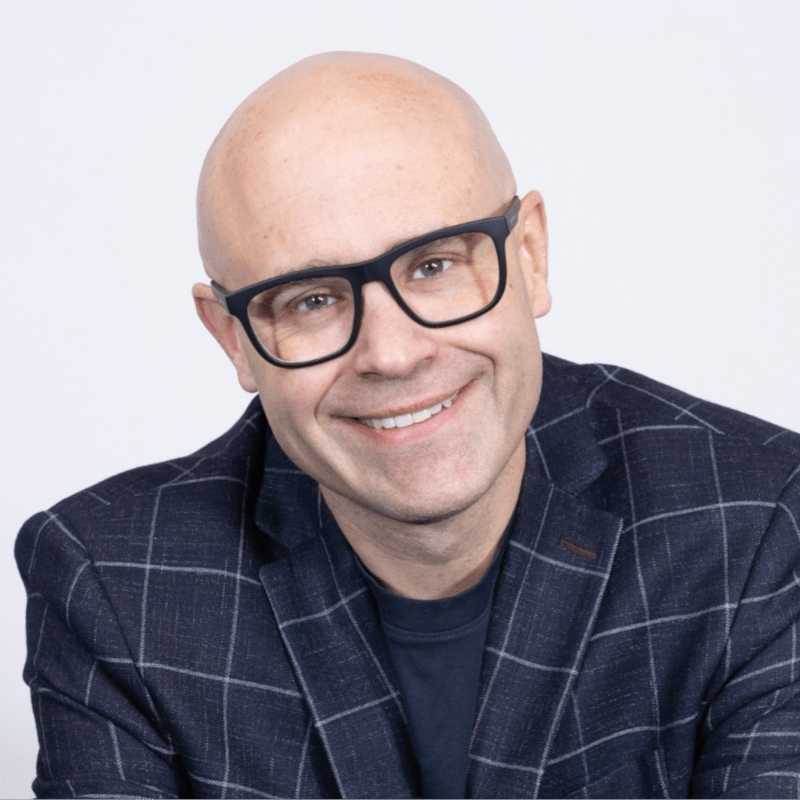
In a recent LinkedIn post, Mark Firth discusses declining reach and argues that familiar complaints from established creators should not be taken as proof that visibility is falling for everyone. This article reports on Firth’s post and examines his view that the platform still offers room for new voices, especially those with a clear point of view.
“It’s down for them but it doesn’t have to be down for you”
Reach is not a universal measure
Firth writes that he understands the frustration of spending time on LinkedIn without reaching the people a creator hopes to help. He presents that concern against his own experience: he says he spent seven years discussing the platform and built a YouTube channel to 1.2 million views, while earning at least six figures annually during that period.
That history informs his criticism of what he describes as broad claims by LinkedIn commentators that reduced reach for them must mean reduced reach for everyone. As Firth notes, those claims can discourage people who are still building an audience. His post does not offer a guarantee of growth; instead, it challenges readers to treat prominent creators’ results as individual experiences rather than universal evidence.
A changing platform creates different opportunities
Firth points to LinkedIn’s reported scale of 1.4 billion users and says the algorithm now distributes posts across the platform. In his view, those conditions could create opportunities for creators whose work is not yet widely known.
“There are irrevocably, beyond doubt, 100% many fresh, new and worthy creators growing right now”
He says he and some peers stopped making LinkedIn-focused content in 2024 and 2025 as demand for it declined. That change, Firth suggests, does not mean audiences have stopped responding to every kind of content. Rather, it may signal that familiar instructional material has become less compelling.
From “how to” advice to a stronger point of view
According to Firth, there is less demand for “how to” posts and for saturated subjects such as leadership, LinkedIn strategy and course creation. He argues that creators can stand out by communicating what they believe in and connecting their work to a cause or subject beyond routine professional advice.
“Never has it been more important to not be a mainstream yes person who agrees with everything”
Firth’s argument is that agreement alone may not hold attention when audiences encounter similar advice repeatedly. His post therefore frames reach as both a distribution question and an editorial one: creators need to consider not only whether their posts are being shown, but also whether they offer a distinctive perspective.
What Firth’s argument asks creators to reconsider
Firth’s post offers an optimistic reading of a changing platform while acknowledging that creators may feel frustrated by weak results. Its central point is that established voices’ performance should not dictate what newer creators believe is possible. For readers weighing their LinkedIn strategy, his advice is to keep publishing with a clear position and to avoid assuming that yesterday’s content formulas—or someone else’s reach—will define their own prospects.
📝 About This Content
This article is based on insights shared by Mark Firth on LinkedIn.
📅 Originally posted on November 5, 2026 | View original post on LinkedIn →