
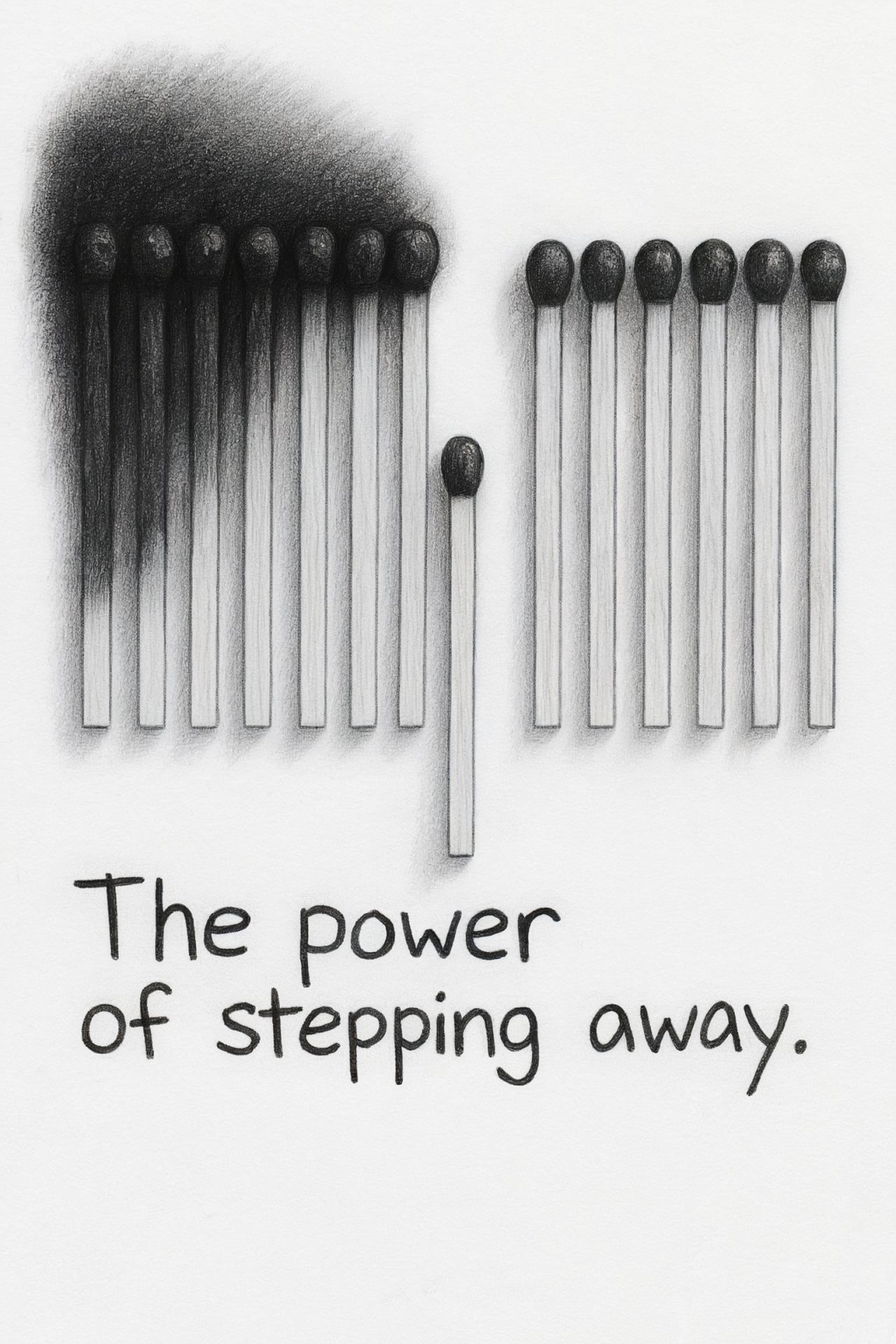
In a recent LinkedIn post, Justin Wright explores the critical skill of knowing when to disengage from situations that are no longer serving one’s well-being or growth. Wright emphasizes that recognizing these moments and acting upon them requires significant emotional intelligence and courage, challenging the common misconception that leaving always equates to giving up.
Wright shares a personal anecdote to illustrate his point, detailing a past experience at a toxic job. He writes:
“I stayed at a toxic job for a year longer than I should have. Why? Because I thought I could fix it. I thought if I just… Stayed later, Worked harder, Proved my worth… things would change.”
The author reflects that his efforts to fix the situation were ultimately futile and detrimental to his own well-being. He notes that the prolonged stay led to feelings of anxiety, exhaustion, and resentment, transforming his perspective on loyalty versus self-preservation.
Understanding Self-Sabotage vs. Loyalty
According to Wright, the tendency to stay in draining situations often stems from a misunderstanding of loyalty. He argues that prolonged commitment to a detrimental environment is not a sign of strength but rather a form of self-sabotage. Wright posits that true strength lies in the ability to assess a situation objectively and make the difficult decision to leave when necessary.
He elaborates on the internal indicators that signal it might be time to move on:
“It takes emotional intelligence to recognize: When your values are being compromised, When your energy is being drained, When your growth has stopped, When respect has left the room.”
Wright highlights that identifying these signs is only the first step. The more challenging aspect, he explains, is mustering the courage to act on this realization. This act of stepping away, he suggests, is often misconstrued as failure but is, in fact, a profound act of self-care and a testament to one’s emotional maturity.
The Role of Emotional Intelligence in Decision-Making
Wright further defines emotional intelligence not just as understanding others, but as a deep self-awareness that enables individuals to honor their own needs. He stresses that there is no need for external validation or permission to prioritize one’s peace and well-being.
In his post, Wright advises:
“You don’t need a reason to choose yourself. You don’t need permission to protect your peace. You don’t need to stay anywhere that makes you small.”
He suggests that individuals who are meant to be in your life will understand and support your decision to leave a negative situation. Conversely, he notes that those who try to induce guilt are often an indicator that the decision to leave is the correct one. Ultimately, Wright concludes that leaving a situation that hinders growth and well-being creates the necessary space for better opportunities to emerge.
📝 About This Content
This article is based on insights shared by Justin Wright on LinkedIn.
📅 Originally posted on November 29, 2025 | View original post on LinkedIn →