
In a recent LinkedIn post, Teresa Torres explores the strategic considerations for integrating Artificial Intelligence (AI) into daily workflows. Torres, a recognized product discovery leader, emphasizes that while her inclination is to leverage AI for as many tasks as possible, the reality of limited time necessitates careful prioritization. She highlights the importance of distinguishing between tasks suitable for full automation and those that benefit from AI augmentation, ultimately aiming to amplify personal impact.
Torres shares her approach to building a personalized, AI-enhanced operating system, developed through five months of practical experimentation. She notes the core challenge: “But still there are only so many hours in the day and I have to prioritize what to turn into a workflow vs. what to do as one-off tasks.” This statement underscores the need for a deliberate framework rather than a scattershot adoption of AI tools.
Three Ways AI Can Multiply Your Impact
According to Torres, AI offers significant potential to enhance productivity and effectiveness. She identifies three primary avenues through which individuals can multiply their impact:
- Doing More of What You’re Good At: By offloading routine or time-consuming tasks to AI, individuals can free up mental bandwidth to focus on their core strengths and high-value activities.
- Eliminating Friction in Frequent Tasks: Repetitive tasks, even if seemingly small, can accumulate and create significant drag. AI can streamline these processes, making them faster and less burdensome.
- Removing What Drains You: Certain tasks are inherently unengaging or energy-sapping. Torres suggests that AI can be a powerful tool for identifying and eliminating these productivity drains.
Evaluating Tasks for AI Automation
A critical component of Torres’s framework involves a rigorous evaluation process for potential AI adoption. She poses seven key questions designed to help individuals determine if a task is a good candidate for automation or augmentation. These questions delve into factors such as:
- Frequency of the task
- Complexity involved
- The level of enjoyment derived from the task
- The potential impact of AI assistance
Torres elaborates on the nuanced difference between automation and augmentation, stressing that the choice depends on the specific nature of the task and the desired outcome. “What’s one repetitive task you do that you think AI could help with?” she asks, prompting her audience to reflect on their own workflows and identify potential areas for AI intervention.
Building an AI-Enhanced Operating System
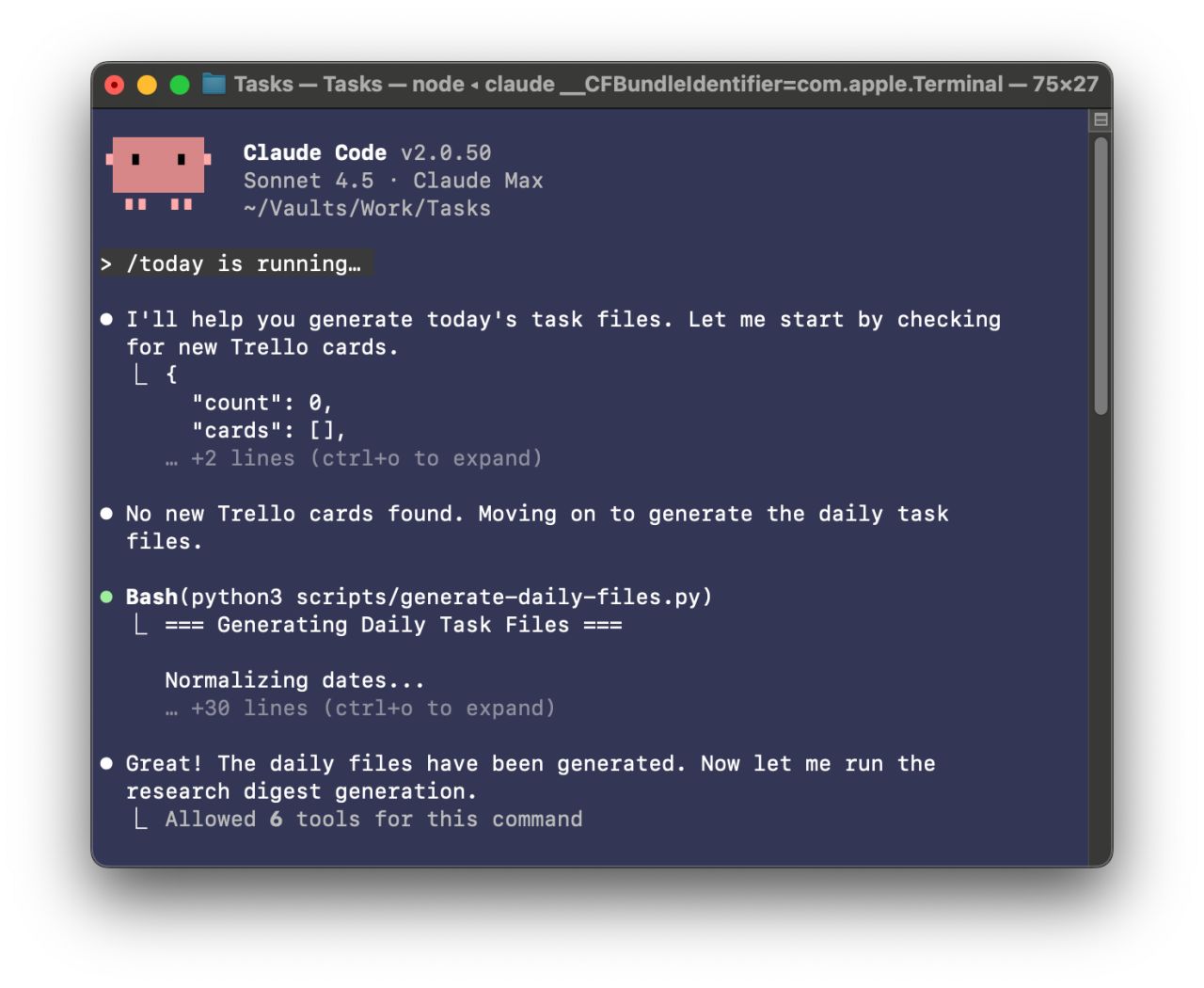
Torres’s experimentation has resulted in the development of approximately 50 real-world AI workflows. These span a wide range of professional activities, including task management, writing, podcasting, coding, research, and discovery. A significant aspect of her approach involves breaking down complex tasks into smaller, manageable components. This allows for a more precise identification of where human judgment is essential versus where AI can effectively take over or assist.
In essence, Teresa Torres’s insights on LinkedIn provide a practical roadmap for professionals seeking to harness the power of AI without succumbing to the temptation of automating everything. Her emphasis on strategic evaluation and prioritization ensures that AI serves as a genuine force multiplier, enabling individuals to focus on their unique strengths and drive greater impact.
📝 About This Content
This article is based on insights shared by Teresa Torres on LinkedIn.
📅 Originally posted on December 3, 2025 | View original post on LinkedIn →