
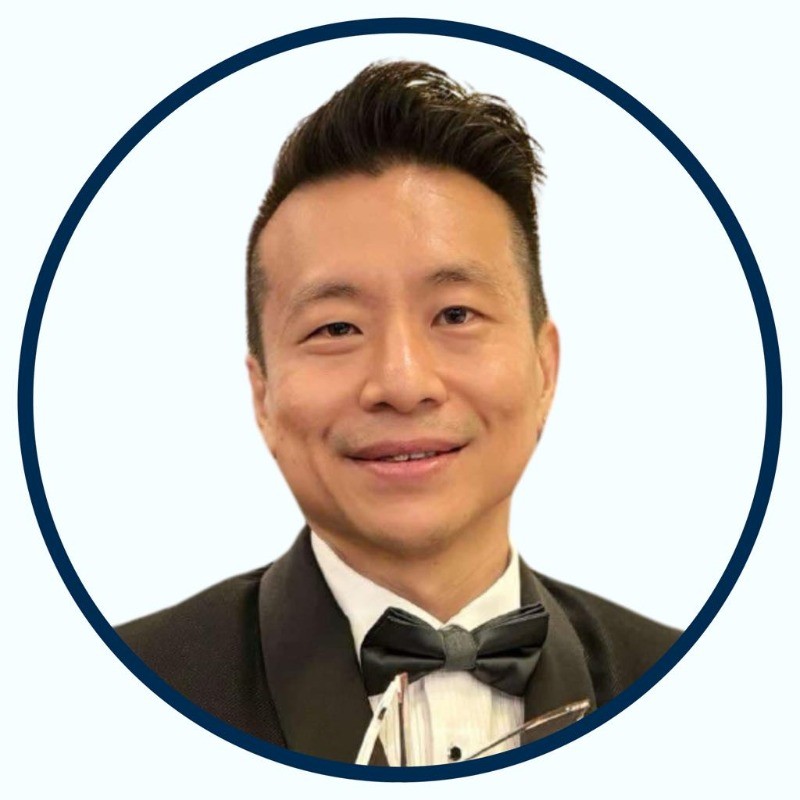
In a recent LinkedIn post, Alvin Huang addresses a common misconception among leaders: that trust is an intangible, almost magical quality that leaders hope will materialize. Huang argues that trust is, in fact, a tangible outcome of consistent, repeatable behaviors. He presented eight practical systems he has implemented to cultivate trust within teams, even at scale.
“A lot of leaders treat trust like magic. Something you hope shows up when you need it. But trust isn’t mysterious. It’s just a set of repeatable behaviors your team can count on.”
Huang’s approach demystifies trust-building, framing it as a systematic process rather than an elusive aspiration. He emphasizes that by establishing predictable patterns of action and communication, leaders can create an environment where trust can flourish.
The Foundation: Clear Expectations and Open Communication
The first two systems Huang highlights focus on setting a solid groundwork for team interactions. He advocates for unequivocally clear expectations from the outset, ensuring team members understand their roles, deadlines, and the definition of success. As Alvin Huang notes, this clarity is crucial for reducing ambiguity and fostering a sense of security.
Furthermore, Huang stresses the importance of transparency in sharing information. This includes not only what is known but also what remains uncertain.
“Say what’s happening, what’s not, and what’s still unclear. Guessing creates anxiety. Honesty creates stability.”
This commitment to open communication, according to Huang, directly combats the anxiety that arises from uncertainty and builds a more stable operational environment.
Consistency and Reliability as Trust Accelerators
A significant portion of Huang’s framework revolves around the principle of consistency. He posits that being the same person every day, meaning maintaining predictable standards and behaviors, is key to psychological safety. This predictability removes the cognitive load for team members who might otherwise feel the need to constantly gauge the leader’s mood or disposition.
The act of consistently following through on commitments, no matter how small, is also central to Huang’s strategy. He argues that these seemingly minor promises accumulate significant weight in the perception of reliability.
“Reliability is trust’s fastest growth hack.”
This perspective suggests that consistent follow-through is not just about completing tasks but about actively engineering trust through dependable actions.
Fostering a Culture of Recognition and Safety
Huang also details systems aimed at making team members feel valued and safe. He suggests actively looking for and acknowledging good work, emphasizing that recognition for effort, not just final outcomes, is vital. As Alvin Huang points out, “People just want to know their effort isn’t invisible.” This simple act of validation can significantly boost morale and engagement.
Creating a safe space for difficult conversations is another critical element. Huang believes that when individuals can express concerns or provide feedback without fear of reprisal, the overall health and effectiveness of the team improve dramatically. This proactive approach, he suggests, prevents minor issues from escalating into major conflicts.
Feedback Loops and Continuous Improvement
Finally, Huang advocates for the implementation of simple, ongoing feedback loops. He advises against waiting for formal reviews to address issues, promoting instead a culture of frequent, small adjustments. According to Alvin Huang, these regular course corrections ensure alignment and allow for agile problem-solving.
In essence, Huang’s message on LinkedIn is that trust is not a passive outcome but an active construction built through deliberate, consistent, and transparent leadership practices. It is the accumulation of many small, well-executed actions that ultimately fosters a high-trust environment.
📝 About This Content
This article is based on insights shared by Alvin Huang on LinkedIn.
📅 Originally posted on December 5, 2025 | View original post on LinkedIn →