
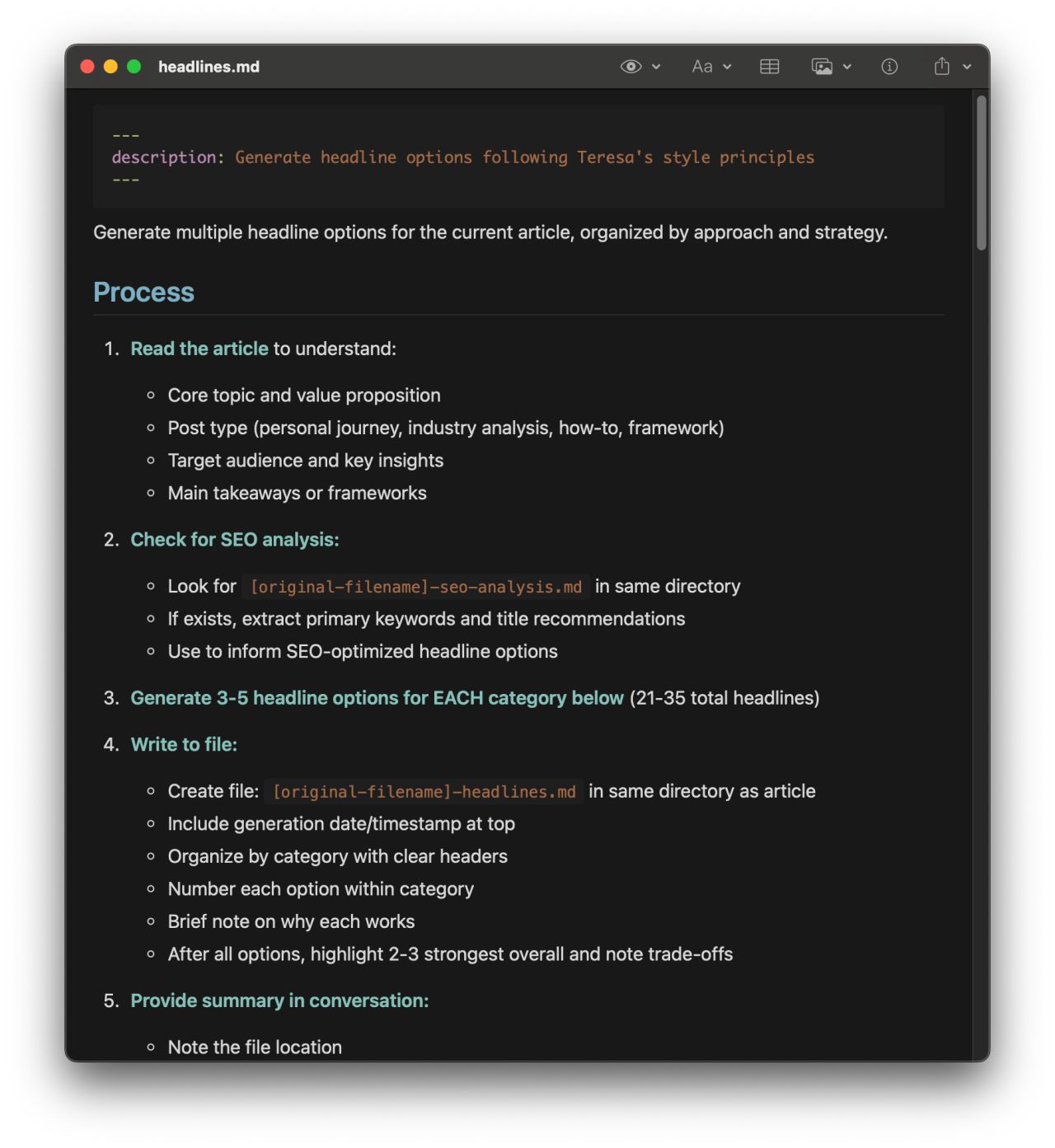
In a recent LinkedIn post, Teresa Torres shares a practical approach to designing personal AI workflows, emphasizing a methodology rooted in product discovery principles. Rather than attempting to dictate outcomes, Torres advocates for a process of exploration and iteration. She begins by stating her core philosophy: “Instead of writing my way to what I think, I discuss my way to what I think.” This highlights her belief in a collaborative and iterative process, even when designing automations for oneself.
The Product Discovery Parallel
Torres draws a compelling parallel between designing AI workflows and the established practices of product discovery. She notes that the process of building AI automations, even for those without a technical background, mirrors the habits used in discovering and developing product solutions. According to Torres, “You’ll notice that designing AI workflows looks a lot like designing product solutions. In fact, we’ll rely on the discovery habits to help us get there.” This connection suggests that familiar frameworks for understanding user needs and iterating on solutions can be directly applied to personal AI development.
“You’ll notice that designing AI workflows looks a lot like designing product solutions. In fact, we’ll rely on the discovery habits to help us get there.”
A Step-by-Step Approach to AI Automation
The post outlines a structured, yet flexible, process for individuals looking to implement AI into their workflows. Torres breaks down the journey into several key stages:
- Mapping Current Tasks: The initial step involves detailing existing processes, akin to story mapping in product development.
- Prioritization: Identifying which specific steps within a workflow are most suitable for automation or augmentation.
- Strategic Decision-Making: Determining whether a code-based solution or a large language model (LLM) approach is more appropriate for the chosen task.
- Prototyping: Developing initial versions of the AI workflow, with clear instructions and safety considerations.
- Testing and Iteration: Refining the workflow through repeated testing to ensure it functions effectively.
This methodical approach underscores Torres’s emphasis on thoughtful implementation rather than a scattergun attempt at automation. As she advises:
“It’s better to have one step done well rather than many steps done poorly.”
This principle is crucial for ensuring that AI integrations provide genuine value and do not introduce unnecessary complexity or errors into daily tasks. By focusing on perfecting individual components of a workflow, users can build a more robust and reliable set of AI-powered tools.
Leveraging Claude Code and Discovery Habits
Torres highlights the potential of tools like Claude Code for building these personal AI workflows, even for non-technical users. The core insight is that by applying product discovery techniques—such as understanding the problem, defining desired outcomes, and iterating based on feedback—individuals can successfully design AI solutions that address their specific needs. This perspective empowers users to move beyond simply consuming AI tools to actively shaping them for personal efficiency.
Torres concludes by prompting her audience to consider their own workflows, asking, “What’s one repetitive task in your workflow that you’d love to get AI help with?” This question encourages engagement and further exploration of AI’s potential applications in everyday professional life.
📝 About This Content
This article is based on insights shared by Teresa Torres on LinkedIn.
📅 Originally posted on December 10, 2025 | View original post on LinkedIn →