
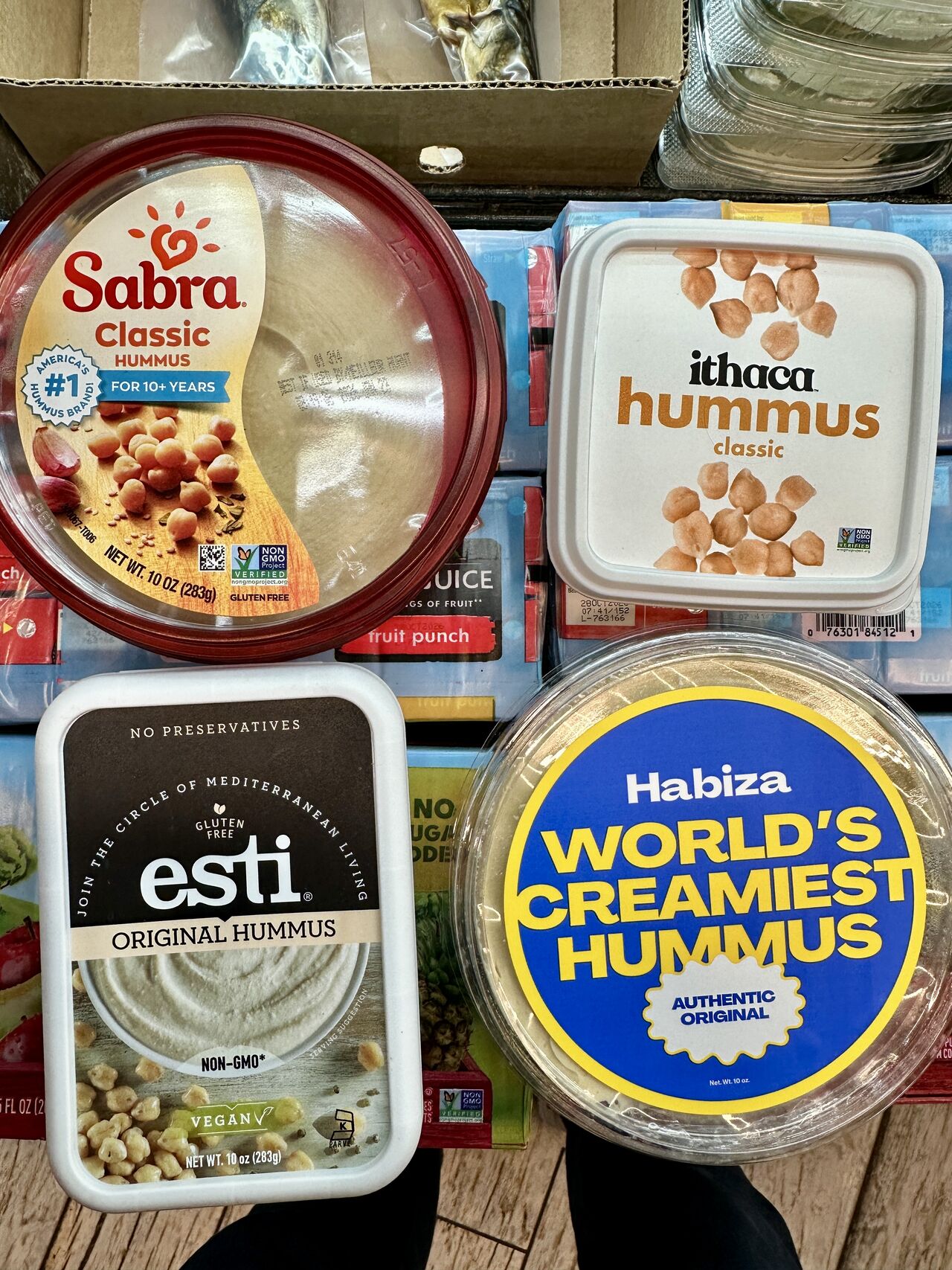
In a recent LinkedIn post, Jason Feifer discusses a critical pitfall for many new brands: assuming that inherent quality is enough to drive sales in a crowded marketplace. Feifer, an entrepreneur and editor-in-chief of Entrepreneur magazine, uses the common grocery item, hummus, as a case study to illustrate how brands can fail to connect with consumers by not clearly articulating their unique value proposition.
The Invisible Nature of Quality
Feifer begins by highlighting a fundamental misunderstanding many founders have about their products. He argues that simply producing a high-quality item does not guarantee success. The core issue, according to Feifer, is that quality is often invisible to the consumer at the point of purchase. Packaging, in many cases, fails to communicate what makes a product distinct or superior.
“Founders often enter crowded markets, assuming ‘quality’ sells itself. But quality is invisible! And most packaging says… nothing! No clear reason to pick your product over the next one.”
This lack of clear differentiation means that consumers have no compelling reason to choose one product over another, especially when faced with numerous similar options. Feifer emphasizes that for a brand to succeed, it must actively communicate its benefits and differentiate itself from competitors.
Analyzing Hummus Packaging for Differentiation
To drive his point home, Jason Feifer analyzed the packaging of four different hummus brands he encountered in a store. His analysis reveals a spectrum of branding strategies, from reliance on market dominance to vague, unhelpful messaging.
Sabra’s Familiarity Play
Feifer notes that Sabra leans on its established position in the market. “Sabra: Says it’s the number one brand. Leans on size, scale, and familiarity,” he observed. This strategy leverages brand recognition and market leadership as a primary selling point, assuming consumers will default to the most well-known option.
Ithaca’s Silence
In contrast, Ithaca’s packaging, according to Feifer, offered no distinguishing information. “Ithaca: Says nothing, except that it’s hummus,” he pointed out, underscoring a complete failure to communicate any unique selling proposition.
Esti’s Vague Appeal
Esti’s approach, while attempting to convey a lifestyle, was also found wanting by Feifer. “Esti: Says ‘Join the circle of Mediterranean living’. But what does that mean? How does it solve my problem?” he questioned. This highlights how aspirational or lifestyle-focused messaging can fall flat if it doesn’t connect to a tangible consumer need or benefit.
Habiza’s Clear Promise
The standout, in Feifer’s assessment, was Habiza. The brand’s packaging offered a clear and specific benefit. “Habiza: ‘World’s creamiest hummus’ — instantly delicious! I know what it promises, and what makes it different,” Feifer stated. This direct, benefit-oriented message immediately tells the consumer what to expect and why this particular hummus might be a better choice.
“To sell, you must know what your customer wants. Then show how YOU are their solution.”
The Call to Action for Brands
Based on his observations, Feifer issues a direct challenge to brand owners. He urges them to critically evaluate their own marketing and packaging. The key question, as he poses it, is whether a new consumer would understand why the brand is superior.
“TRY THIS NOW: Look at your brand and ask, ‘Would a new consumer know why I’m better?’ If not, tell them!” Feifer advises. He concludes by sharing that this clear communication was precisely why he purchased the Habiza brand that weekend.
Feifer’s post serves as a potent reminder that in competitive markets, effective branding requires more than just a good product; it demands a clear, concise, and compelling reason for customers to choose you.
📝 About This Content
This article is based on insights shared by Jason Feifer on LinkedIn.
📅 Originally posted on December 8, 2025 | View original post on LinkedIn →