
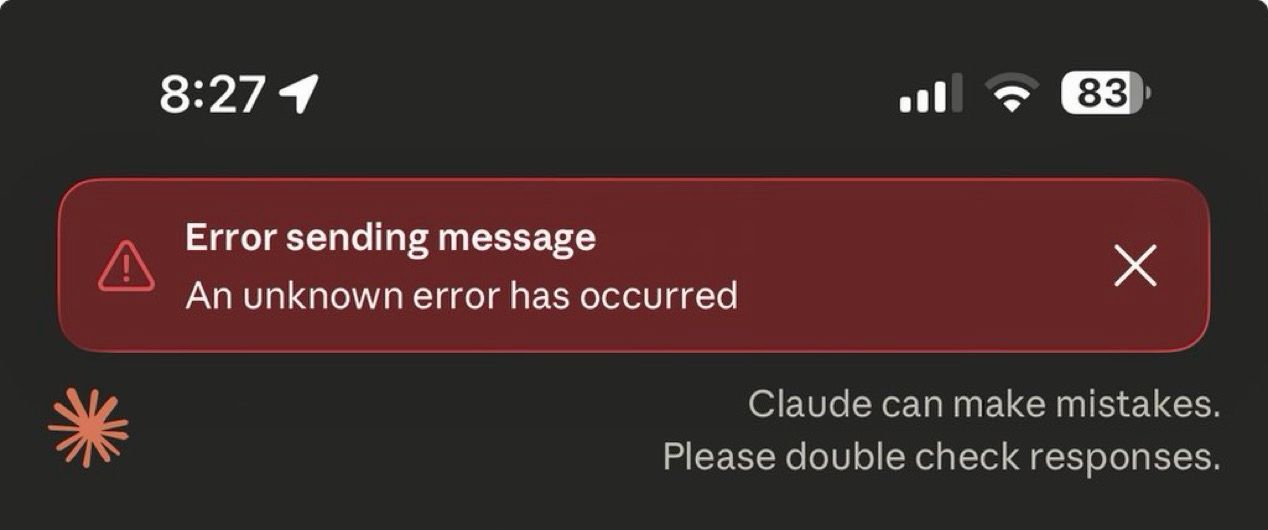
In a recent LinkedIn post, Hiten Shah discusses a critical factor that often determines the long-term success of AI tools: reliability. As the market becomes saturated with high-quality options, Shah argues that consistent performance is what truly captures and retains user attention, especially when time and momentum are crucial.
Shah highlights the subtle yet significant impact of tool failures, noting that these issues often go unnoticed by traditional metrics but have a profound effect on user behavior. He points out that when multiple tools meet a certain quality threshold, the deciding factor for adoption becomes dependability during active use.
Once several tools in a category clear the quality bar, reliability decides which one people keep open. You feel it when something real is underway and time matters.
The Silent Killer of User Trust
The core of Shah’s argument centers on the concept of ‘silent failures.’ Unlike outright crashes or obvious bugs, these are minor glitches or inconsistencies that erode trust without generating loud complaints. Shah explains that these failures occur precisely when users are most engaged and their workflow is dependent on the tool’s performance.
According to Shah, the experience of a tool failing mid-thought is particularly damaging. This leads to a loss of momentum and a shift from progress to uncertainty, prompting users to seek alternatives. He elaborates on this by stating:
These tools are opened mid-thought. When an error appears without context, momentum drops. Uncertainty replaces progress, and people move on.
Erosion of Trust and Habit Formation
Shah emphasizes that trust in a tool is built through consistent and predictable responses during active usage. This includes the assurance that user input will not be lost and that the system’s current state is always clear. In an era where AI tools are increasingly integrated into daily workflows, this level of dependability is paramount.
He contrasts the current landscape with earlier stages of technological adoption. In the past, when choices were limited, users might have been more tolerant of minor imperfections. However, Shah observes that with the proliferation of high-quality alternatives, user tolerance for failures has significantly diminished.
The Disappearing Default
A key point Hiten Shah makes is that these subtle failures, while not leading to formal complaints, actively discourage repeat usage. This gradual disengagement means that a tool, once a go-to option, might cease to be the default choice. Shah articulates this consequence clearly:
Nothing breaks loudly. No complaint gets filed. The tool just stops being the first place someone goes when the work is fragile. A different default forms.
This shift away from a preferred tool happens almost imperceptibly. By the time these behavioral changes are reflected in usage metrics, the user’s habit has already been broken, and regaining that lost ground becomes exceedingly difficult. Shah concludes by stressing the importance of consistent reliability in fostering long-term user loyalty and establishing a tool as an indispensable part of a workflow.
📝 About This Content
This article is based on insights shared by Hiten Shah on LinkedIn.
📅 Originally posted on December 15, 2025 | View original post on LinkedIn →