
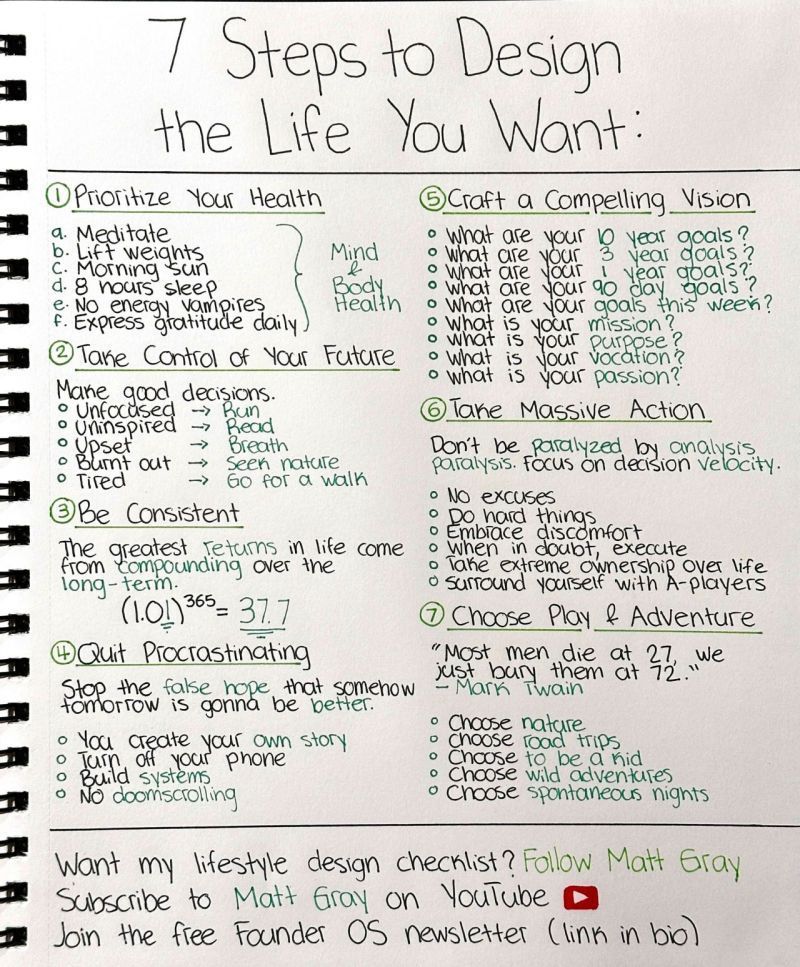
In a recent LinkedIn post, Matt Gray outlines a four-step framework for individuals looking to design their ideal future, particularly with an eye toward 2026. Gray emphasizes the concept of “lifestyle design,” drawing inspiration from Tim Ferriss’s definition of luxury as feeling unrushed and having high leverage with ample options.
“Luxury is feeling unrushed. It is designing a life that allows you to do what you want with high leverage, with many options, all while feeling unrushed.”
Gray’s approach centers on intentional action, unlocking personal time, and identifying enjoyable pursuits. He breaks down the process into actionable steps, urging readers to take ownership of their lives and proactively shape their future.
Step 1: Cultivating Self-Reflection
The foundational step, according to Gray, is building a habit of reflection. This involves becoming acutely aware of one’s physical and emotional states. He prompts readers to identify the words that describe their current feelings, such as “flowing,” “at ease,” “confused,” or “exhausted.” By tracking these feelings and analyzing their causes, individuals can gain a deeper understanding of what positively or negatively impacts their mood.
Gray shares a personal anecdote from his own reflection process: “When I started, I learned I was in a negative mood 70% of the time! That completely shocked me.” This realization, he suggests, is a critical turning point for understanding personal patterns and the need for change.
Step 2: Assuming Control and Responsibility
The second step, which Gray acknowledges as the most challenging, is assuming control. This involves internalizing the message, “I am the root cause of my feelings.” Gray argues that individuals always have the power to change their emotional state and actions, even when faced with difficult circumstances like an unsatisfying job or interpersonal frustrations. He stresses that taking small, manageable steps can lead to immediate relief and a renewed sense of agency.
“We hate assuming responsibility for how we feel. Hate your job? Who’s forcing you to stay in the current one? Feel frustrated with friends? Who’s stopping you from communicating?”
By accepting responsibility, Gray posits, individuals can begin to address problems and learn that they possess the capability to navigate and resolve challenges.
Step 3: Defining Your Ideal Future
Gray then guides readers to create a vivid picture of their ideal future. This involves answering a series of introspective questions about preferences for spontaneity versus routine, dietary choices, ideal daily schedules, and the role of friends and family. He encourages a granular level of detail, prompting consideration of personal finance goals like FIRE (Financial Independence, Retire Early), dream locations, the integration of hobbies with work, and the adoption of philosophies such as slow living or minimalism.
The goal, as articulated by Gray, is to visualize the desired state in detail: “What does working out feel like? What does working my job feel like? What does waking up feel like on an ideal day?”
Step 4: Taking Decisive Action
The final step involves translating the vision into action. Instead of merely setting written goals, Gray advocates for creating a strong mental image of the ideal future. This mental visualization serves as a powerful motivator. He then advises readers to reverse-engineer their ideal lifestyle by breaking it down into concrete actions. Examples provided include forming a gym group, setting up a budget for FIRE, improving sleep hygiene, and incorporating mindfulness practices consistently.
“Small steps, big goals.”
Gray concludes by encouraging readers to repost his insights and follow him for more on habit formation and lifestyle design, offering a link to a more comprehensive framework.
📝 About This Content
This article is based on insights shared by Matt Gray on LinkedIn.
📅 Originally posted on December 29, 2025 | View original post on LinkedIn →