
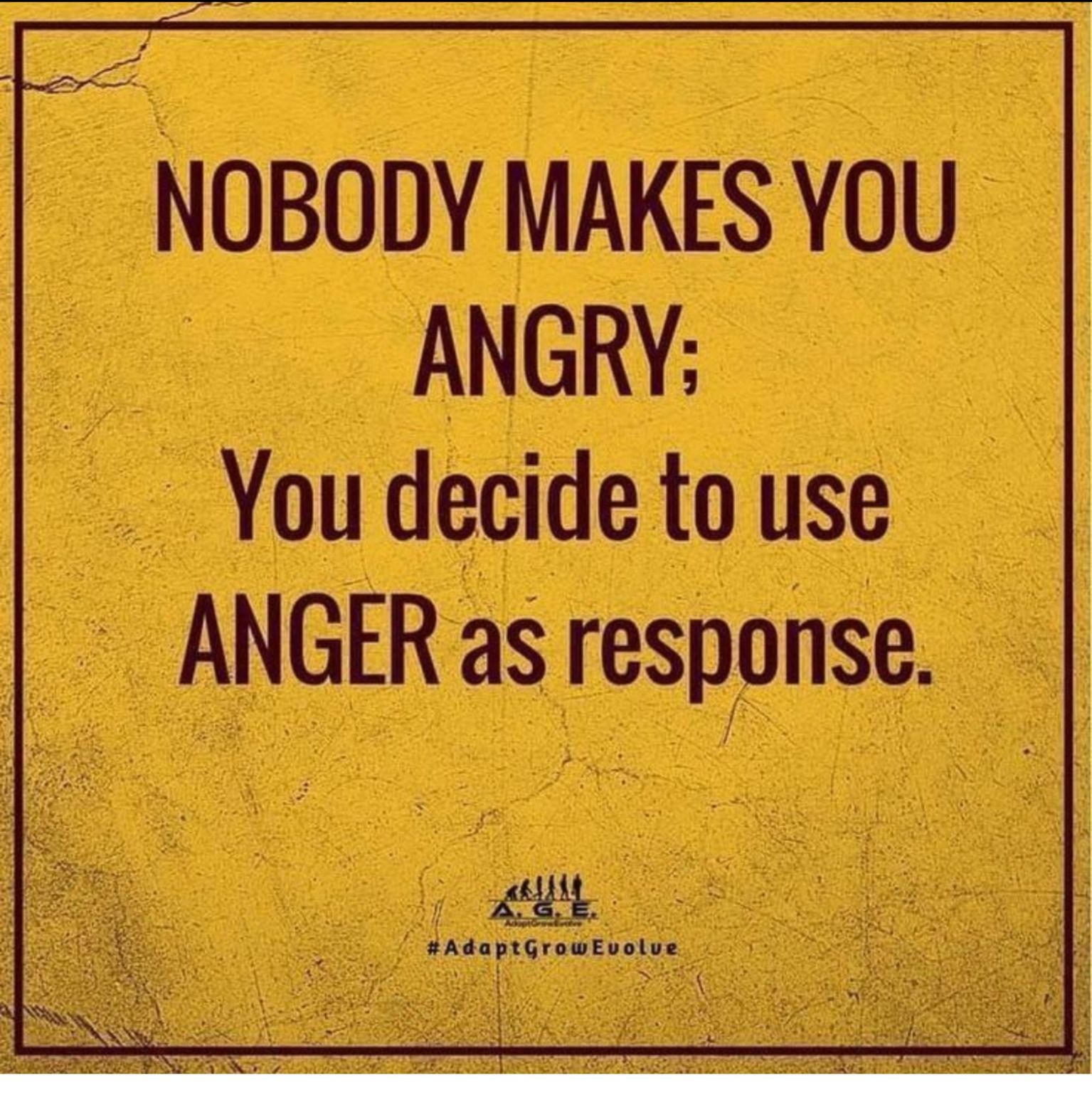
In a recent LinkedIn post, Ani Filipova explores the critical skill of emotional control, challenging the common notion that external factors dictate our feelings. Filipova asserts that individuals possess agency over their emotional responses, a concept she argues is fundamental to success in both personal and professional life.
Filipova begins by directly addressing the misconception that others or events cause our emotions. She writes:
“They made me angry.”
“That ruined my day.”
“I had no choice.”
She counters this by stating that while the choice may be rapid, it is indeed a choice. This leads to her identification of emotional control as perhaps the most underrated skill.
The Nuance of Emotional Control
Ani Filipova clarifies that emotional control is not about suppression or feigning calmness. Instead, she emphasizes the power of responding thoughtfully rather than reacting impulsively. As Filipova notes, the goal is to move from a reactive state to a more deliberate, controlled response.
A Practical Framework for Triggered Moments
To navigate moments of emotional activation, Filipova shares a three-step framework she personally employs:
- Name the emotion: Acknowledging the feeling, whether internally or verbally (e.g., “I’m feeling frustrated”), can significantly reduce its intensity. Filipova points out that you cannot control what you do not acknowledge.
- Delay the response: Waiting for 90 seconds before reacting is crucial. Filipova explains that the body’s initial chemical reaction to an emotion typically lasts only about 90 seconds. Beyond this, continuing the emotional state involves actively choosing to prolong it by “feeding the story.”
- Reframe the situation: This step involves asking a strategic question: “What response helps me win long-term?” This shifts the focus from the immediate emotional discomfort to a more constructive, future-oriented perspective.
Universal Application and Long-Term Benefits
Filipova stresses that this framework is applicable across various professional scenarios, from responding to difficult emails to managing interactions in meetings or preventing regrettable statements. She argues that calm individuals are not necessarily those who face fewer problems, but rather those who are better equipped to solve them.
According to Filipova, “Your reaction is your responsibility.” She concludes by highlighting the compounding effect of emotional discipline, suggesting it builds momentum far more effectively than mere motivation. The post ends with a call to repost for those who might benefit from the reminder, underscoring the shared responsibility in cultivating emotional intelligence.
📝 About This Content
This article is based on insights shared by Ani Filipova on LinkedIn.
📅 Originally posted on January 5, 2026 | View original post on LinkedIn →