
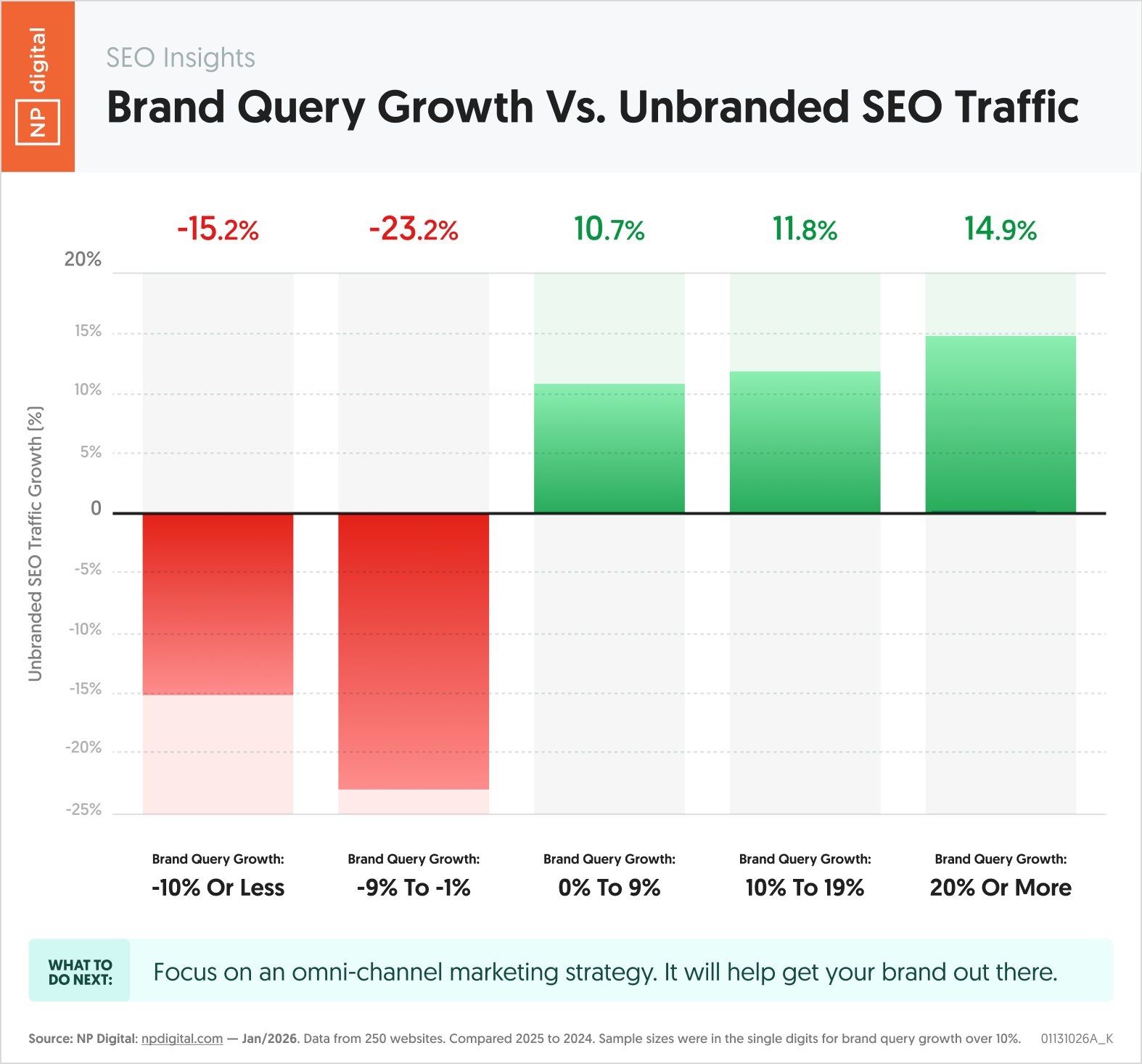
In a recent LinkedIn post, Neil Patel discusses the growing importance of brand queries as a signal to Google for search engine rankings. Patel, a prominent figure in the digital marketing space, highlights how Google interprets user behavior around specific brand names as an indicator of relevance and authority.
According to Patel, Google has been monitoring brand queries for years. He explains the underlying logic: when users repeatedly type a brand name into Google and engage with its search results, it signifies a level of user interest and loyalty that the search engine takes into account. This behavior is not just a passive observation by Google; it actively informs how the search engine might perceive a brand’s standing in the digital landscape.
“For years, Google has looked at brand queries.”
Patel elaborates on how this user behavior translates into actionable data for Google. The act of searching for a specific brand name, especially when done consistently over other competitors, sends a clear message to Google about that brand’s perceived value and recognition in the market. This consistent user engagement, Patel suggests, can be a potent signal of a brand’s strength.
The Impact of Brand Queries on Organic Traffic
While acknowledging that an increase in brand queries doesn’t automatically guarantee success, Neil Patel posits that it can significantly contribute to a brand’s organic visibility. He points to the correlation between a rise in brand searches and the performance of unbranded keywords for a website.
“And if people continually type one brand name over competitors, it tells Google something.”
In Patel’s view, this suggests a potential ripple effect where increased brand recognition and direct searches for a brand can indirectly boost its rankings for broader, unbranded search terms. This is a crucial insight for businesses aiming to improve their overall search engine presence.
Understanding the Google Algorithm’s Perspective
Patel’s analysis implies that Google’s algorithm is sophisticated enough to detect patterns of user intent and brand preference. By analyzing the volume and consistency of brand-specific searches, Google can infer a brand’s authority and relevance within its niche. This data helps Google to better serve its users by prioritizing content from brands that are demonstrably in demand.
“Now getting more brand queries doesn’t guarantee success, but it can’t hurt.”
He further emphasizes the positive, albeit not definitive, impact of these queries. As Neil Patel notes, while a surge in brand searches alone might not be a silver bullet for all SEO challenges, its inclusion in the ranking factors is unlikely to be detrimental and may offer a distinct advantage.
Leveraging Brand Queries for SEO Growth
The core message from Neil Patel’s post is that businesses should not overlook the power of cultivating brand awareness and encouraging direct searches. As he suggests, paying attention to how often users are searching for your brand name can provide valuable insights into your market position and potential SEO improvements.
“Just look at the organic traffic changes for unbranded keywords when a website generates more brand queries.”
Patel’s concluding thought encourages marketers and business owners to observe the tangible effects of increased brand queries on their website’s performance, particularly in relation to unbranded keyword rankings. This perspective underscores the interconnectedness of brand building and SEO strategy in the current digital ecosystem.
📝 About This Content
This article is based on insights shared by Neil Patel on LinkedIn.
📅 Originally posted on January 15, 2026 | View original post on LinkedIn →