
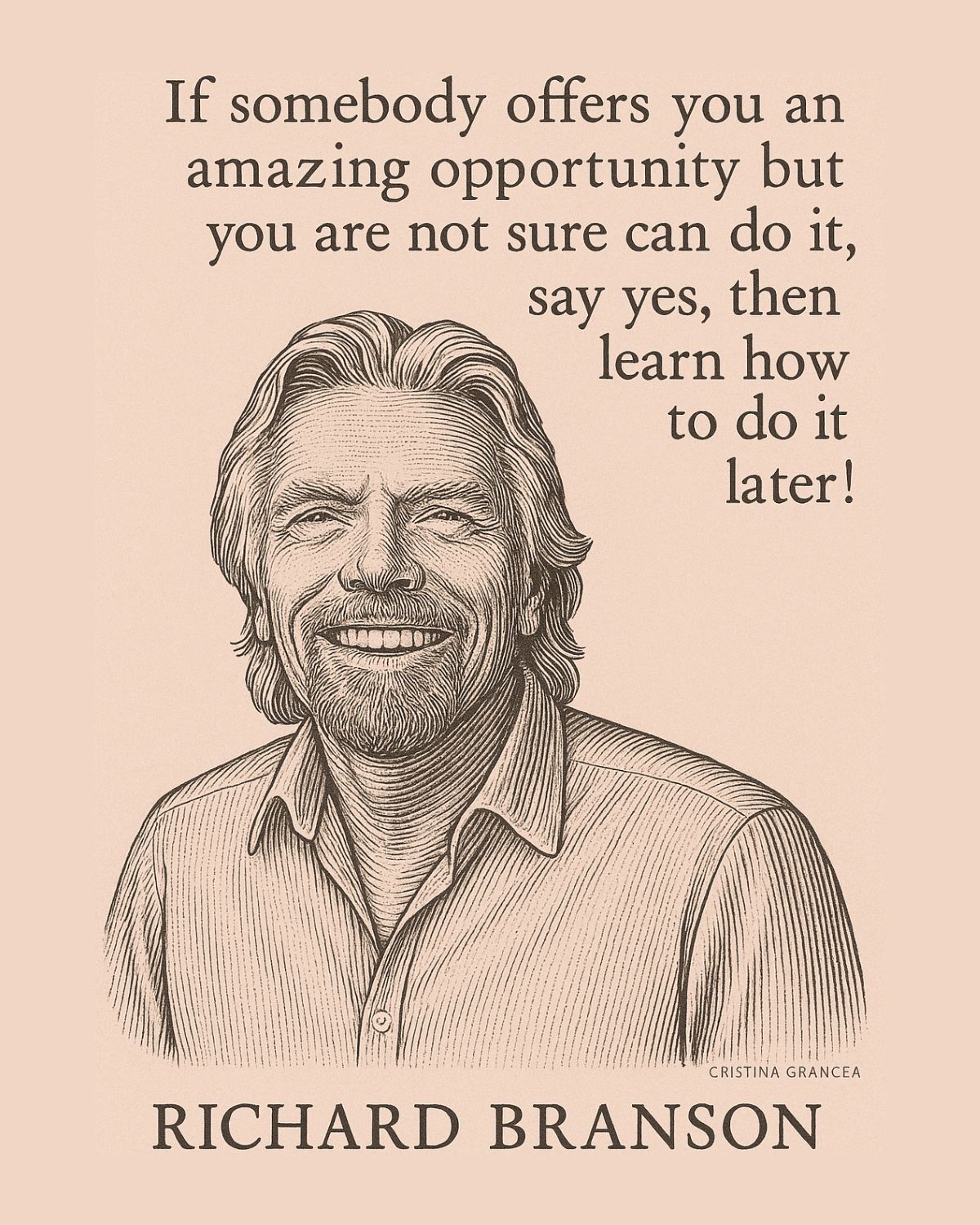
In a recent LinkedIn post, Cristina Grancea shares her personal journey and practical strategies for overcoming the pervasive challenge of decision paralysis. Grancea details her past struggles with overthinking, where she would “delay. Pay experts. Research endlessly. All in the name of being ‘sure.’” She highlights how this cycle of indecision led to stagnation, preventing progress and causing significant personal exhaustion.
Grancea’s pivotal realization, as she describes it, is that “Perfect decisions only exist in hindsight. And clarity comes from action – not overthinking.” This insight forms the core of her advice, shifting the focus from achieving theoretical perfection to embracing forward movement.
Making decisions is something I’ve struggled with for years. Going round in circles. Getting nowhere. Obsessing over every possibility: “What if I fail?” “What if I lose money?” “What will people think?”
Embracing Action Over Analysis
The central theme of Grancea’s post is the necessity of action to gain clarity. She argues that the pursuit of absolute certainty before making a move is a counterproductive endeavor. Instead, Grancea advocates for developing a ‘bias for action,’ emphasizing that movement, even if imperfect, is crucial for progress. As she puts it, “It doesn’t have to be perfect – just forward.” This mindset shift is presented as the first step in breaking free from the grip of overthinking.
Strategic Tools for Decisive Action
To combat decision paralysis, Cristina Grancea outlines five practical tools she has found effective:
1. Develop a Bias for Action
Grancea stresses making movement the default state. The goal is to initiate action rather than getting stuck in contemplation. This involves prioritizing progress over perfection.
2. Limit Options
According to Grancea, an abundance of choices can lead to ‘analysis paralysis.’ By intentionally reducing the number of options available, individuals can make decisions more quickly and with less mental strain.
3. Set Decision Deadlines
To prevent decisions from languishing indefinitely, Grancea suggests implementing strict deadlines. She proposes specific timeframes for different types of decisions:
- Small decisions: 30 seconds
- Medium decisions: 30 minutes
- Big decisions: 30 hours
She notes that these are guidelines, and one should “use your gut to adjust.”
Deadlines stop decisions from dragging out.
4. Utilize the “5-Second Rule”
Referencing Mel Robbins, Grancea explains the 5-Second Rule: “The moment you have an instinct to act on a goal, you must count 5-4-3-2-1 and move – before your brain talks you out of it.” This technique is designed to bypass the overthinking process by triggering immediate action.
5. Apply the 70% Rule
Citing Jeff Bezos, Grancea introduces the 70% Rule, which suggests making decisions with approximately 70% of the available information. Waiting for complete certainty, or 100% of the information, is often an exercise in futility. As Grancea highlights, “Wait for 100%, and you’ll be waiting forever.”
The Momentum of Action
Cristina Grancea concludes her post by reiterating that overthinking is a significant impediment to progress. In contrast, she argues that action builds momentum. Her closing thought, a quote attributed to Rumi, encapsulates this philosophy: “As you start walking, the path reveals itself.” Grancea’s insights offer a valuable framework for anyone looking to move beyond indecision and embrace a more proactive approach to their goals.
📝 About This Content
This article is based on insights shared by Cristina Grancea on LinkedIn.
📅 Originally posted on January 31, 2026 | View original post on LinkedIn →