
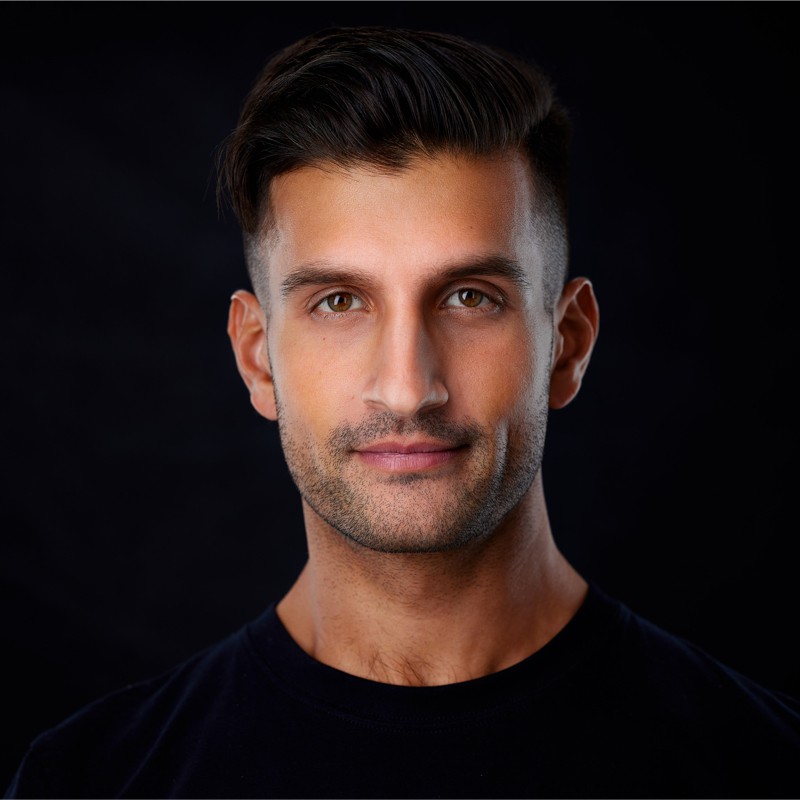
In a recent LinkedIn post, Sahil Bloom discusses a psychological phenomenon that influences how we perceive our personal growth and navigate uncertainty: the End of History Illusion. Bloom highlights research suggesting that while individuals recognize significant personal change in their past, they tend to underestimate how much they will change in the future.
Bloom introduces the core concept, stating:
“It is the belief that this version of you is basically finished. And it quietly messes with your decisions.”
This illusion, as described by Sahil Bloom, leads people to view their current selves as largely static, impacting how they approach future challenges and decisions. The belief that one’s personal development is complete can create a sense of finality, framing future tasks as tests for the current, unchanging self.
The Impact of Underestimating Future Change
Sahil Bloom argues that this misperception is particularly relevant in times of rapid external change, such as the current landscape shaped by advancements in AI and shifting industry dynamics. When individuals believe they are finished evolving, they struggle to cope with the perceived instability of the future.
Bloom elaborates on this point:
“That is why uncertainty feels so heavy right now. AI is changing work fast. Stable paths feel less stable. Industries are shifting in real time.”
According to Sahil Bloom, this feeling of being overwhelmed by uncertainty stems from an incorrect assumption: that the future’s challenges must be handled by today’s version of oneself. The End of History Illusion prevents individuals from recognizing that the very process of facing future uncertainties will foster the necessary adaptation and growth.
Embracing Becoming in Uncertain Times
A central theme in Sahil Bloom’s post is the idea that personal transformation is an ongoing process, not a destination. He posits that new experiences, pressures, and life chapters inherently shape individuals, altering their preferences, building new skills, and redefining priorities.
As Sahil Bloom puts it:
“The uncertainty ahead is not asking today’s version of you to carry it. It will shape you into the person who can.”
This perspective reframes the future from a source of anxiety to an opportunity for development. Sahil Bloom encourages readers to understand that they are not fixed entities. The key, he suggests, is not to have everything figured out in the present, but to remain committed to the continuous process of personal evolution.
Shifting Perspective: From Threat to Training Ground
Sahil Bloom concludes by urging a shift in perspective. By recognizing the dynamic nature of personal identity and growth, the future can be viewed not as a daunting threat, but as a valuable training ground. This mindset encourages resilience and adaptability, empowering individuals to navigate change more effectively.
Bloom’s post ends with a call to reflection, asking:
“What is one way you have changed in the last year that surprised you?”
This question prompts readers to identify their own past transformations, reinforcing the idea that change is constant and often unexpected, thereby challenging the End of History Illusion.
📝 About This Content
This article is based on insights shared by Sahil Bloom on LinkedIn.
📅 Originally posted on January 31, 2026 | View original post on LinkedIn →