
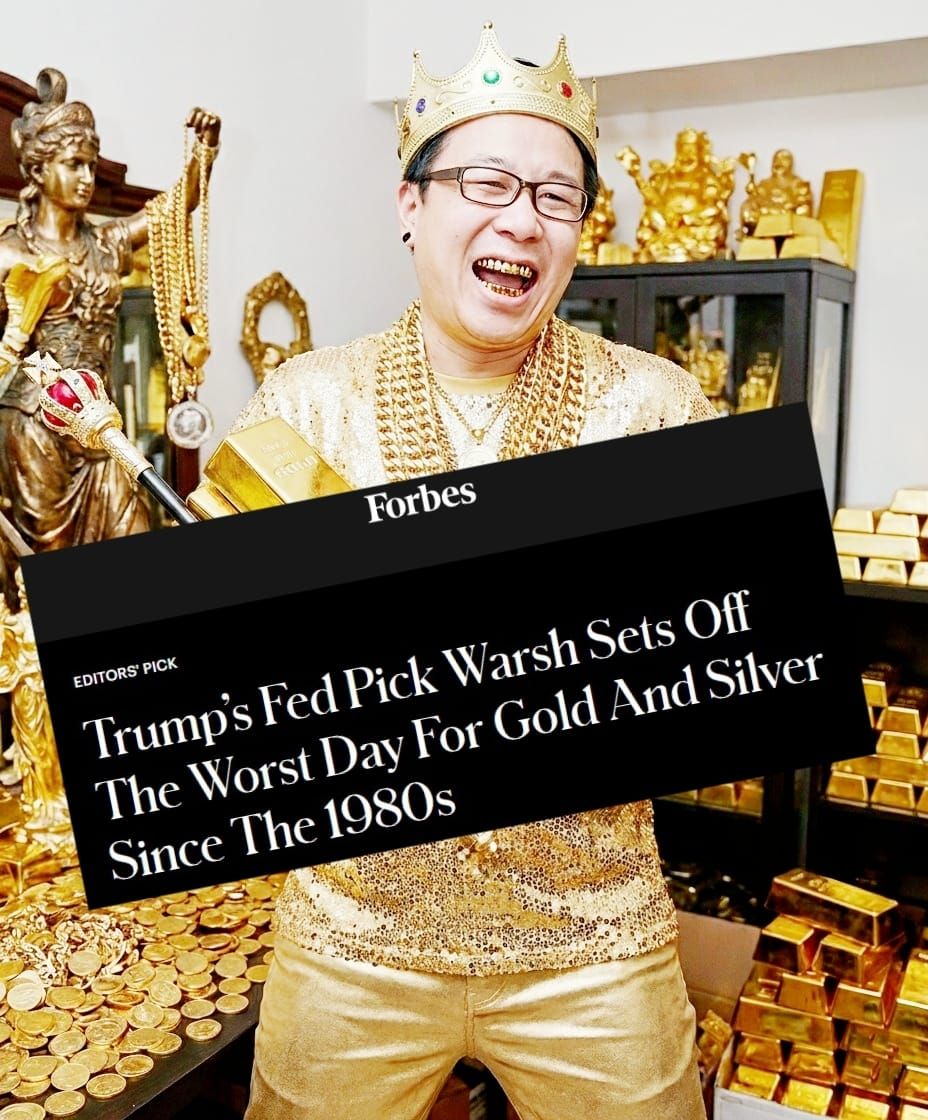
In a recent LinkedIn post, Thomas Hoon dives into the dramatic 9% single-day crash of gold prices in China, offering an analysis of the immediate market reactions and underlying causes. Hoon, who has lived and worked in China for 13 years, provides a foreigner’s perspective on the financial events unfolding in the Greater Bay Area.
Hoon highlights the market’s volatile response, stating:
“Market reaction: Some rushed to buy, thinking it was a bargain. Others rushed to sell, trying to cut losses.”
He points out that prominent Chinese banks, including ICBC and CCB, had already implemented measures to manage risk associated with gold accumulation products. According to Hoon, these actions were not reactive panic but rather proactive caution anticipating the risks from a prior parabolic surge.
Analyzing the Immediate Triggers and Deeper Causes
Thomas Hoon identifies the nomination of Kevin Warsh as Fed Chair as an immediate trigger for the market’s movement. As Hoon explains, the market perceived Warsh as “hawkish,” which led to a jump in the dollar and a subsequent hit to gold prices.
However, Hoon argues that the more significant factor was the state of the gold market itself. He notes the extreme overbought conditions:
“But the deeper story: gold was extremely overbought. RSI hit 91.15 before the crash. Leveraged positions were forcibly liquidated. A classic long squeeze turned the drop into a cascade of automated selling.”
This scenario, in Hoon’s view, transformed a potential correction into a significant market cascade due to leveraged positions being automatically liquidated.
Hoon’s Long-Term Outlook for Gold
Despite the sharp short-term volatility, Thomas Hoon expresses a more optimistic long-term outlook for gold. He suggests that the fundamental drivers for gold remain strong.
In his opinion, stated clearly in the post, Hoon anticipates continued instability in the near term:
“In my opinion, short-term expect wild swings.”
However, he reinforces the enduring strength of the long-term fundamentals, which he believes are still intact. Hoon lists several key factors supporting this view:
- Central bank buying initiatives
- Dollar diversification strategies
- The ongoing need for geopolitical hedging
Hoon concludes by emphasizing that while he is not a gold expert, he values learning from those who are. He invites discussion on whether the recent market movements represent an overreaction or a display of smart caution by the banks.
📝 About This Content
This article is based on insights shared by Thomas Hoon on LinkedIn.
📅 Originally posted on February 2, 2026 | View original post on LinkedIn →