
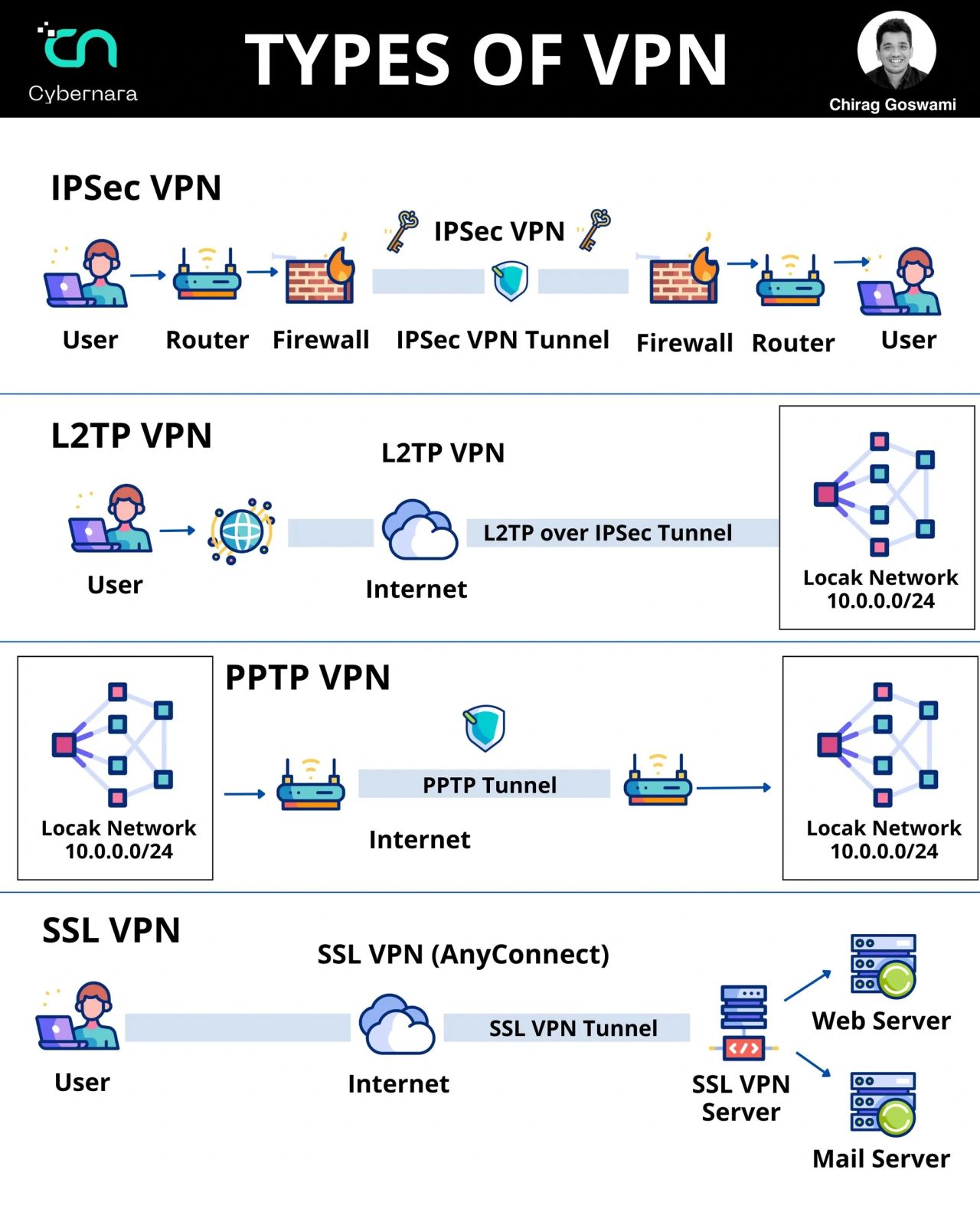
In a recent LinkedIn post, Chirag Goswami discusses the critical role of Virtual Private Networks (VPNs) in maintaining internet safety, particularly for remote workforces and businesses leveraging cloud applications. Goswami emphasizes that a VPN acts as a secure conduit, safeguarding data during online activities.
As Chirag Goswami highlights, the primary function of a VPN is to establish a private pathway over the public internet.
“A VPN creates a private path on the internet.”
This private pathway is essential for protecting sensitive information from potential interception or modification.
The Essential Functions of VPNs
Chirag Goswami outlines several key benefits of utilizing VPNs, underscoring their importance in today’s interconnected business environment. According to Goswami, a VPN is instrumental in:
- Keeping data private during transit.
- Enabling secure remote work from any location.
- Protecting data integrity against unauthorized changes.
Goswami stresses that these capabilities are not just conveniences but necessities, particularly as employees increasingly work outside traditional office perimeters and businesses rely on cloud-based services.
Common VPN Technologies Explained
The post also provides a brief overview of different VPN types that professionals might encounter. Chirag Goswami explains that understanding these distinctions can help in selecting the appropriate security solution.
IPSec VPN
Goswami notes that IPSec VPNs are commonly employed to establish secure connections between office networks, facilitating site-to-site communication.
L2TP VPN
The L2TP VPN is described as an enhancement that adds an extra layer of protection by often working in conjunction with IPSec, as pointed out by Goswami.
PPTP VPN
While acknowledging its ease of setup, Chirag Goswami cautions that the PPTP VPN is no longer considered secure enough for modern needs.
SSL VPN
Finally, Goswami explains that SSL VPNs offer a secure way for users to access specific applications, typically through a web browser or a dedicated app, enhancing flexibility for remote users.
Why VPN Security Matters for Businesses
Chirag Goswami articulates the broader implications of VPN security for modern enterprises. The shift towards flexible work arrangements and the adoption of cloud infrastructure mean that company data is more distributed and accessible than ever before.
“Employees work from many places. Offices use cloud apps and remote access.”
In this landscape, Goswami warns of the significant risks associated with inadequate security measures.
“A weak VPN can expose important company data.”
Goswami’s insights suggest that investing in and properly configuring the right VPN solution is a crucial step in mitigating these risks and ensuring business continuity and data protection.
The post concludes with a mention of Cybernara’s services in assisting with VPN setup, positioning the author’s company as a resource for implementing these essential security protocols.
📝 About This Content
This article is based on insights shared by Chirag Goswami on LinkedIn.
📅 Originally posted on February 1, 2026 | View original post on LinkedIn →