
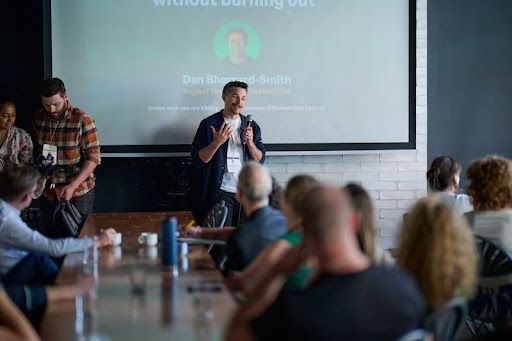
In a recent LinkedIn post, Dan Sherrard-Smith discusses a significant upcoming shift on the platform: the increasing dominance of founder and expert-led content, particularly as it heads into 2026. Sherrard-Smith posits that the algorithm is evolving to prioritize genuine expertise over superficial engagement, a change he believes will benefit founders who adapt.
He highlights the core of this transformation, stating:
“Experts are people who have genuine knowledge on a subject, not just say they do in a post generated by ChatGPT. This is going to be one of the biggest changes through 2026. Because the LinkedIn algorithm is moving to ‘expert-led content’.”
The Algorithm’s New Focus on Expertise
According to Sherrard-Smith, the LinkedIn algorithm will increasingly evaluate users based on specific criteria to identify true experts. This evaluation will span multiple areas:
- Profile Assessment: The platform will scrutinize profiles to pinpoint declared areas of expertise.
- Post Relevance: Content will be analyzed to determine which audiences would derive the most value from it.
- Engagement Patterns: Interactions with others will be monitored to ensure a user’s feed remains engaging and relevant.
Sherrard-Smith argues that founders who grasp this evolving dynamic will be better positioned to attract their ideal clients. He emphasizes that this shift is not merely about posting more frequently, but about strategic clarity in content creation.
The Power of Clarity in Content
Reflecting on his own experience, Sherrard-Smith points out that significant increases in visibility weren’t solely due to posting volume. Instead, he found that becoming more precise in his content was the key differentiator. He outlines critical questions founders should ask themselves:
- What problem am I here to solve?
- Who is the person I’m writing to?
- Could a stranger understand that in 6 seconds?
This focus on clarity is directly linked to how the algorithm now operates. Sherrard-Smith explains the concept of algorithmic clusters:
“The algorithm now builds clusters: groups of people who click on similar ideas. It tries to understand who you belong with. If it can’t answer that, it stops showing your content.”
Key Pillars for LinkedIn Expertise in 2026
Serrard-Smith outlines three essential components for establishing oneself as an expert on LinkedIn by 2026:
- Clarity of Expertise: A precise and unambiguous definition of one’s knowledge domain.
- Algorithmic Understanding: Demonstrating that expertise in a manner the algorithm can recognize and value.
- Systemic Support: Implementing a clear system to consistently produce and support expert content.
He views this impending change positively, suggesting it will level the playing field. As Sherrard-Smith concludes:
“THIS IS A GOOD THING! It means more founders will be able to grow their businesses. not just vacuous leadership voices.”
Ultimately, Sherrard-Smith’s analysis suggests that LinkedIn’s future favors authenticity and deep knowledge, providing a more fertile ground for genuine experts and founders to connect with their target audiences.
📝 About This Content
This article is based on insights shared by Dan Sherrard-Smith on LinkedIn.
📅 Originally posted on February 1, 2026 | View original post on LinkedIn →