
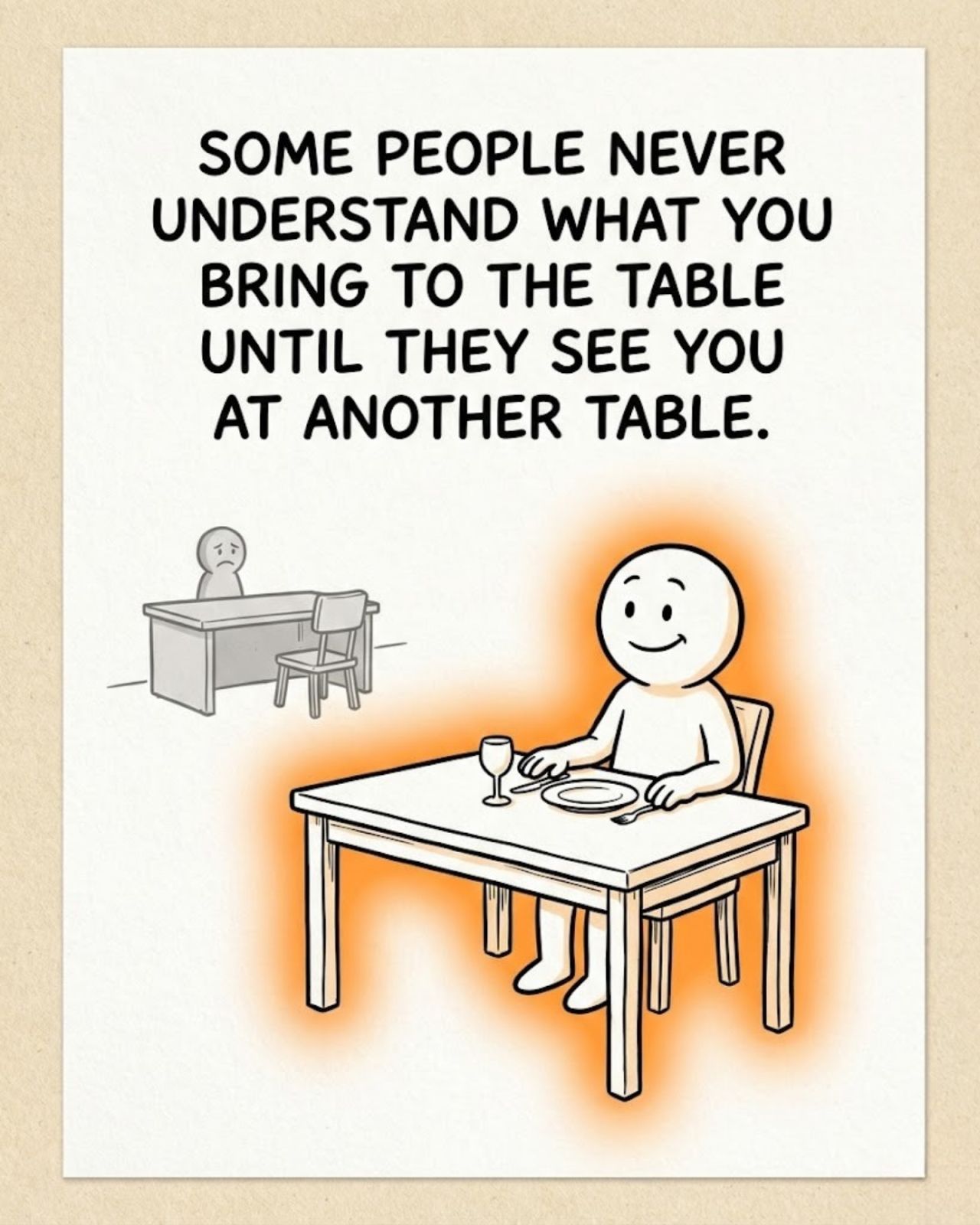
In a recent LinkedIn post, Dror Allouche discusses a critical reason behind employee turnover: the feeling of being invisible, rather than a simple decision to quit the company itself. Allouche argues that while individuals may be replaceable on a spreadsheet in terms of skill sets, the intangible qualities they bring are far more difficult to substitute.
“They didn’t quit the company. They quit the feeling of being invisible.”
Allouche emphasizes that by the time a company recognizes the true value of an employee, it may already be too late, as that individual may have already found opportunities elsewhere. This highlights a common misconception that “everyone is replaceable,” a notion that Allouche suggests holds true only in a transactional, skill-based sense.
The Irreplaceable Human Factor
The core of Allouche’s argument centers on the unique contributions of long-term employees that transcend mere job functions. These include the trust cultivated over years of service, the deep understanding of team dynamics and workflows, and the crucial role employees play as “Social Glue” that binds company culture together.
“When a great person leaves, the ‘soul’ of the team takes a hit.”
According to Allouche, great leaders understand this distinction and focus on nurturing their people rather than merely managing resources. “Great leaders don’t manage inventory. They care for humans,” he states, drawing a clear line between transactional management and genuine leadership.
Strategies for Making Employees Feel Seen
To combat the feeling of invisibility that leads to attrition, Allouche outlines five actionable strategies for leaders to ensure their team members feel valued and recognized:
1. Validate the Struggle, Not Just the Win
Allouche suggests that true connection is forged not only in celebrating successes but also in acknowledging the difficulties faced during the process. He provides an example action: “I saw how hard you worked on this during the difficult phase. I appreciate that effort.”
2. Silence Your “Inner Judge”
When employees approach leaders with problems, Allouche advises against immediately jumping to solutions. Instead, he recommends active listening and offering support, posing the question: “Do you need me to step in, or do you just need to be heard?”
3. Be a Trampoline, Not a Ceiling
This metaphor illustrates the difference between leaders who fear their team’s growth and those who actively foster it. Allouche advocates for supporting employee development, even if it means they eventually move on, by saying, “Talk about their career 3 years from now, even if it’s not with you.”
4. Connect Before You Correct
Building an “emotional bank account” is crucial before delivering feedback. Allouche suggests starting one-on-one meetings with personal check-ins, such as “How is your energy?” before delving into project status.
5. Give Them the “Why,” Not Just the “How”
Meaningless work is a significant driver of departures, more so than demanding tasks. Allouche stresses the importance of connecting individual responsibilities to the larger organizational mission, ensuring employees understand the significance of their contributions.
“People don’t leave because of hard work. They leave because of meaningless work.”
Ultimately, Allouche invokes the wisdom of Maya Angelou, suggesting that how people are made to feel is more memorable than what is said. He concludes by asserting that while time can be bought, loyalty must be earned, urging leaders to strive to be the kind of leader employees are not motivated to leave.
📝 About This Content
This article is based on insights shared by Dror Allouche on LinkedIn.
📅 Originally posted on February 6, 2026 | View original post on LinkedIn →