
In a recent LinkedIn post, Justin Wright shares a profound lesson learned from two vastly different management experiences, highlighting the lasting impact of genuine human connection over superficial achievements. Wright contrasts a ‘polished’ and ‘charming’ boss who ultimately faltered due to insecurity with a leader whose strength lay in empathy and team support.
Wright recounts the stark differences between his former managers. The first, adept at ‘managing up,’ created a toxic environment for his direct reports. As Wright describes this leader:
“He led from insecurity. By pushing people down.”
This manager’s success with senior leadership masked a detrimental effect on the team. Wright notes that while executives perceived him as highly capable, his own team was merely enduring the work environment. The post details how this approach eventually led to the manager’s downfall, met with relief from the staff.
The Contrast: Leadership Through Empathy
In stark opposition, Wright describes a second boss who prioritized her team’s well-being and success. This leader actively defended her team, celebrated their accomplishments, and showed genuine personal interest, remembering significant life events like a child’s recital. Wright emphasizes the deep loyalty this fostered:
“I haven’t worked for her in years. But if she called me at 2 AM? I’d answer. No hesitation.”
This anecdote serves as a powerful illustration of the trust and commitment that empathetic leadership can inspire, a sentiment that transcends professional distance and time.
What Truly Matters in Leadership
Wright argues that the true markers of impactful leadership are not the conventional metrics of career advancement, but the ‘human moments’ that shape people’s experiences. He lists examples such as encouraging an intern, supporting a colleague in a meeting, or helping a stranger, contrasting these with external validations like raises, titles, or impressive LinkedIn profiles.
The Legacy of Feeling Valued
Citing Maya Angelou, Wright underscores the emotional residue of leadership. He writes:
“People will forget what you said, people will forget what you did, but people will never forget how you made them feel.”
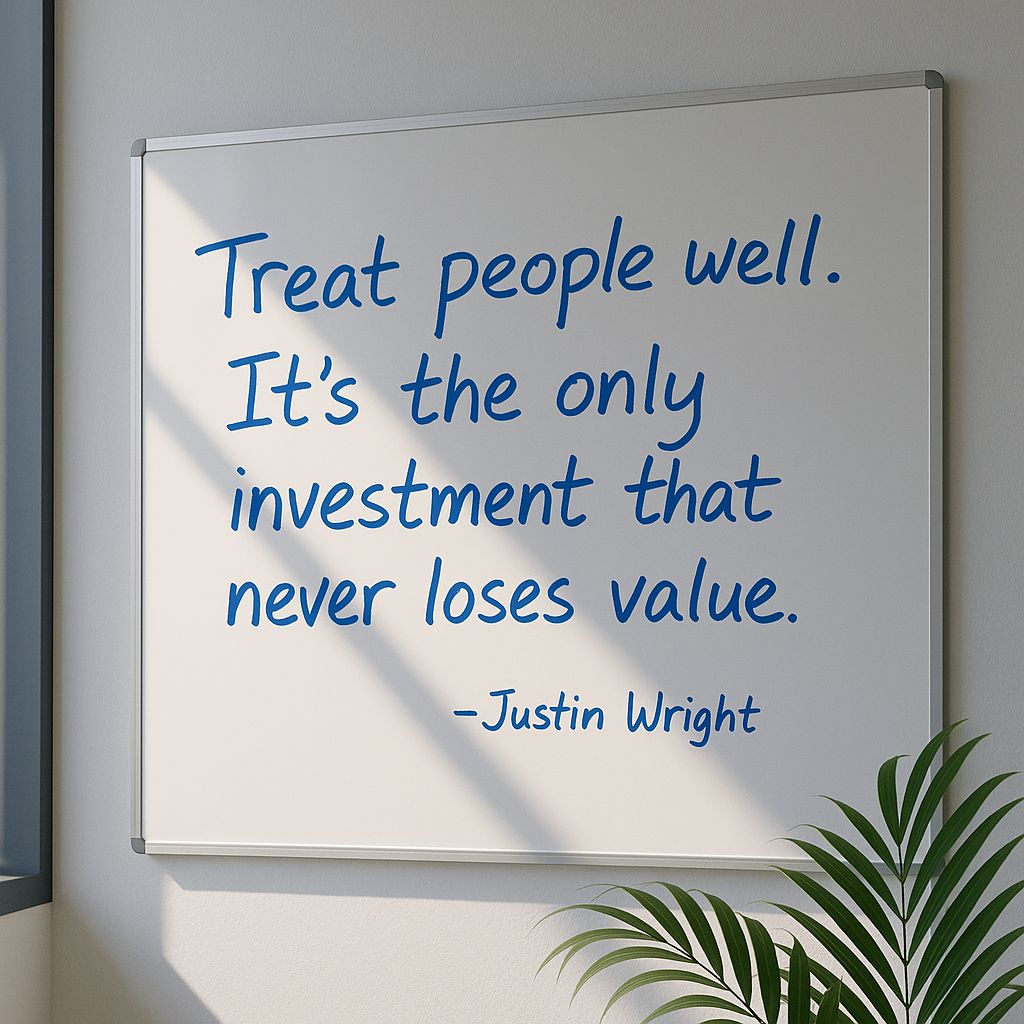
This philosophy positions kindness not as a weakness, but as the most potent leadership skill. According to Wright, kindness is ‘the only investment that never loses value.’ He concludes his post with a call to action, urging leaders to ‘Lead like it matters. Because it does.’
Wright’s post serves as a compelling reminder that authentic leadership is built on compassion and genuine care for others, creating a legacy that resonates far beyond the confines of the workplace.
📝 About This Content
This article is based on insights shared by Justin Wright on LinkedIn.
📅 Originally posted on February 6, 2026 | View original post on LinkedIn →