
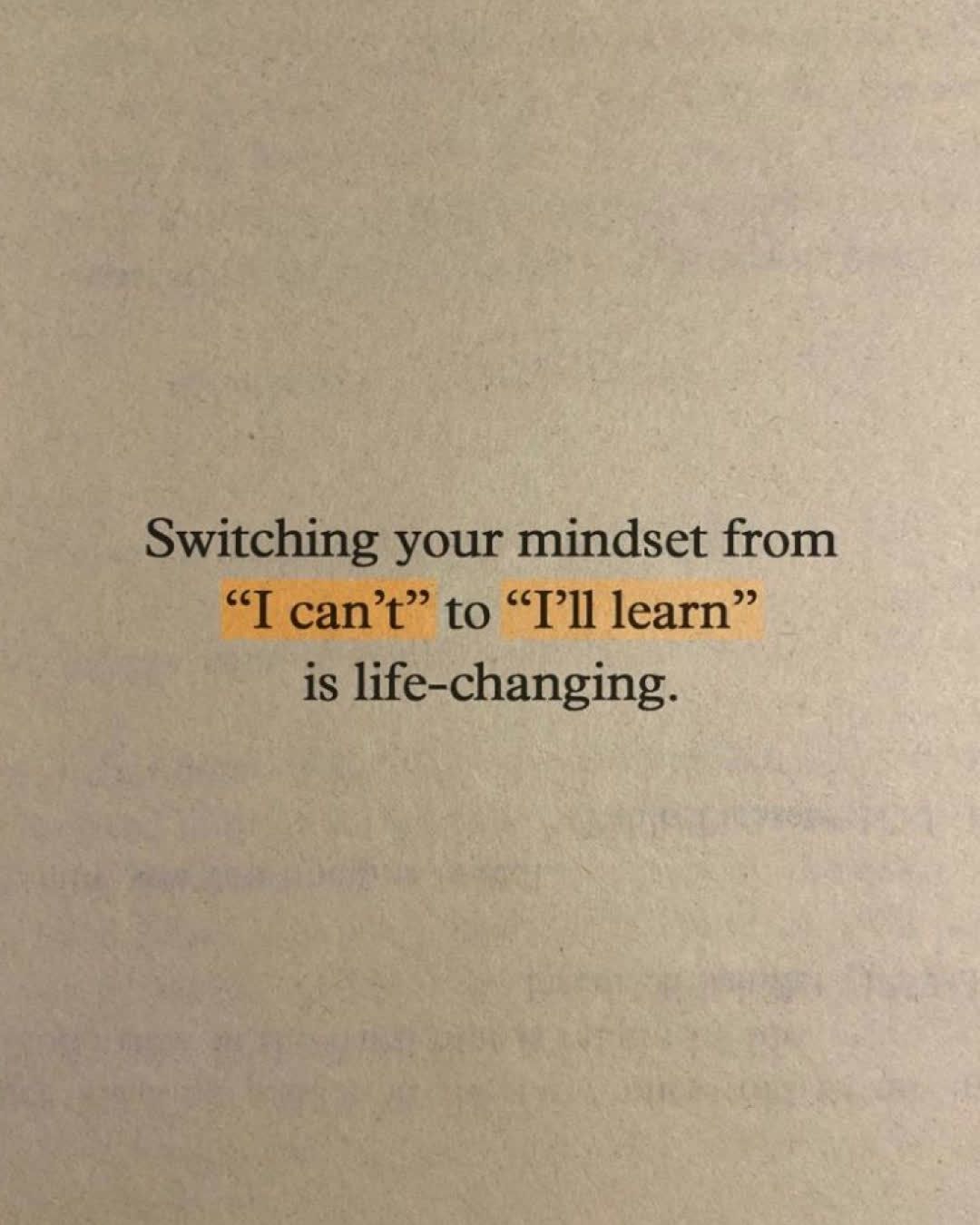
In a recent LinkedIn post, Ankur Warikoo discusses the critical role of mindset shifts in achieving personal transformation and becoming one’s best self. Warikoo emphasizes that before external life changes can occur, internal mental frameworks must evolve. He outlines five specific mindset shifts designed to guide individuals toward greater success and self-awareness.
Warikoo begins by highlighting the fundamental principle that personal growth is an inside-out process. He states:
Before your life can change, your mindset has to.
This sets the stage for his detailed breakdown of five key transformations in thinking that he believes are essential for anyone seeking to improve their circumstances and become a better version of themselves.
Shifting from Blame to Learning
The first mindset shift Warikoo proposes is moving from a victim-oriented perspective to one of active learning. He contrasts the question, “Why is this happening to me?” with “What is this teaching me?” According to Warikoo, dwelling on blame keeps individuals stagnant, whereas approaching situations with curiosity and a desire to learn propels them forward.
As Ankur Warikoo notes:
Blame keeps you stuck; curiosity moves you forward. Being a student and keen to learn is the only thing that will ensure your success.
This perspective encourages individuals to view challenges not as personal attacks, but as opportunities for educational growth.
Embracing a Personal Timeline
Warikoo addresses the common feeling of being “behind” by advocating for the adoption of a personal timeline. He argues against the notion of a race, suggesting instead that each person is on their own unique path. This involves recognizing that progress is not linear and that different individuals move at different paces.
In Ankur Warikoo’s view:
I’m behind → I’m on my own timeline. You’re not running a race. You’re on your path. Some walk. Some run.
This reframing helps alleviate the pressure and anxiety associated with social comparison, allowing individuals to focus on their own journey and development.
Taking Action When “Not Ready”
Another key point Warikoo makes is about overcoming the inertia of feeling “not ready.” He encourages taking action even when uncertainty persists, asserting that clarity is often a byproduct of doing, not waiting. Warikoo advises getting out of one’s head and acting to discover the necessary answers.
He elaborates on this by stating:
I’m not ready → I’m ready enough to start. Clarity comes through action, not waiting. Get out of your head and act! That’s how you’ll find your answers.
This practical advice emphasizes the power of initiative in unlocking potential and gaining direction.
Reframing Failure as Data
Warikoo also tackles the concept of failure, urging a shift from viewing it as a definitive end to seeing it as valuable data. He posits that failure is not final but rather a form of redirection. By reflecting on failures and implementing corrective actions, individuals can move closer to their goals.
According to Ankur Warikoo:
I failed → I found what doesn’t work. Failure isn’t final – it’s data. It’s redirection. With every failure reflected upon and the corrective action, you get closer to success.
This perspective transforms setbacks into stepping stones, encouraging resilience and continuous improvement.
Managing Overwhelm with Small Steps
Finally, Warikoo addresses the feeling of being overwhelmed. His solution is to focus on taking the “next step” rather than trying to solve every problem at once. He suggests listening to one’s body and breaking down tasks into the smallest possible actions, repeating this process consistently.
Warikoo concludes:
I’m overwhelmed → I’ll just take the next step. You don’t need to solve everything at once. Listen to your body and take the smallest step possible. And again. And again. Before you know it, you’ve reached the peak.
This approach offers a manageable strategy for tackling large challenges and making steady progress towards significant achievements.
📝 About This Content
This article is based on insights shared by Ankur Warikoo on LinkedIn.
📅 Originally posted on February 9, 2026 | View original post on LinkedIn →