
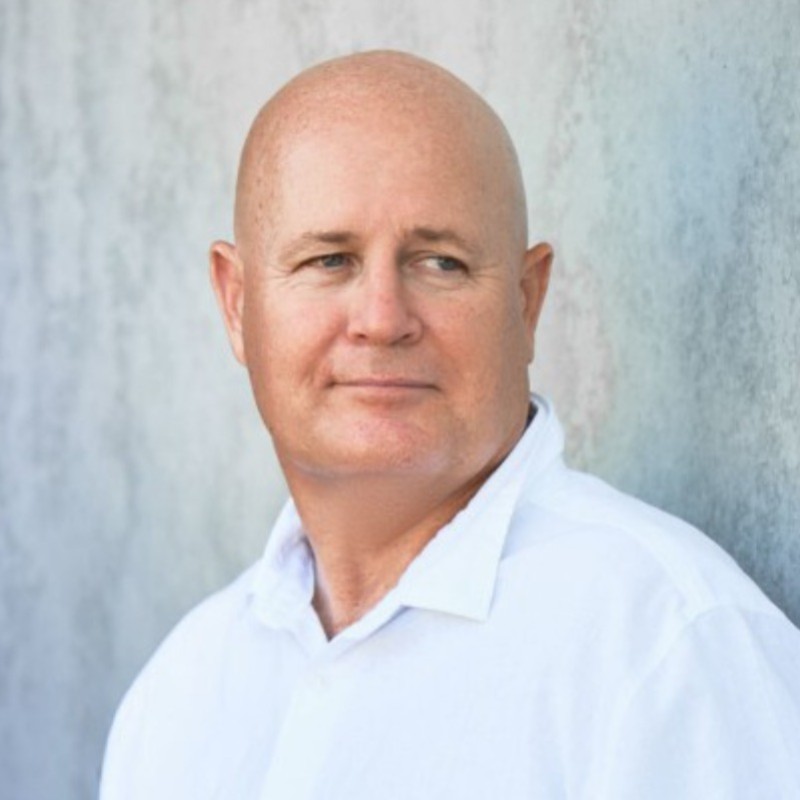
In a recent LinkedIn post, Adam Houlahan discusses a common misconception among founders regarding their visibility challenges on the platform. Houlahan argues that many entrepreneurs wrongly believe their low reach stems from a lack of compelling content, such as weak hooks or insufficient posting frequency. Instead, he posits that the core issue is often one of authority.
According to Houlahan, LinkedIn’s algorithm prioritizes categorizing users based on their established expertise. If a user’s profile, posts, and engagement do not consistently project a clear narrative of their authority in a specific domain, the platform struggles to identify where to effectively distribute their content. This can lead to the unpredictable reach that many founders experience, even when their content is objectively strong.
“Most founders think their visibility problem is a content problem. They assume they need better hooks, stronger opinions, or more frequent posting.”
Houlahan elaborates on this by explaining that the platform’s reasoning engine is highly capable of content distribution; its primary challenge lies in accurately categorizing individuals. He stresses that without a reinforced expertise narrative, the algorithm is left without a clear signal on how to position the user.
The Authority-Visibility Link
Houlahan’s analysis suggests that consistent visibility, the kind that compounds over time rather than merely spiking and fading, is directly tied to how clearly one establishes their authority on LinkedIn. He contends that simply increasing activity or producing more content will not solve the underlying problem if the authority signal is weak or absent.
Understanding the Algorithm’s Needs
The post emphasizes that for predictable post distribution and sustained visibility, users must understand what the algorithm needs to see. Houlahan points out that many individuals unknowingly train the algorithm to ignore their content by failing to build a strong, consistent profile of expertise.
“Most visibility issues are, in reality, authority issues. LinkedIn’s reasoning engine does not struggle to distribute content. It struggles to categorise people.”
He further explains that the platform’s ability to distribute content effectively is predicated on its ability to categorize users. Without this categorization, which is built upon a clear narrative of expertise, the reach of posts can remain inconsistent.
“If your profile, posts, and engagement do not reinforce a clear expertise narrative, the platform doesn’t know where to place you.”
Houlahan’s insights are particularly relevant for founders and business leaders seeking to enhance their presence on professional networking platforms. His perspective shifts the focus from content creation tactics to the more fundamental aspect of establishing and communicating authority.
The Importance of a Clear Expertise Narrative
The core of Houlahan’s argument is that a consistent and clear expertise narrative is paramount. This narrative, he explains, is built through the totality of a user’s presence on the platform – their profile, the themes of their posts, and their interactions with others. When this narrative is strong, the algorithm can more effectively place their content in front of the relevant audience.
“This document walks you through the real reason founders get stuck at low-signal visibility and why activity alone never fixes it.”
Houlahan’s advice underscores the need for a strategic approach to LinkedIn, one that prioritizes building and projecting authority over simply churning out content. He suggests that this distinction is crucial for achieving compounding visibility, a more sustainable and impactful form of reach.
For those interested in learning more about optimizing their LinkedIn presence, Houlahan is hosting a free LinkedIn Update web event, which typically draws a significant international audience. Details for this event are available via a provided SmartLink.
📝 About This Content
This article is based on insights shared by Adam Houlahan on LinkedIn.
📅 Originally posted on February 12, 2026 | View original post on LinkedIn →