
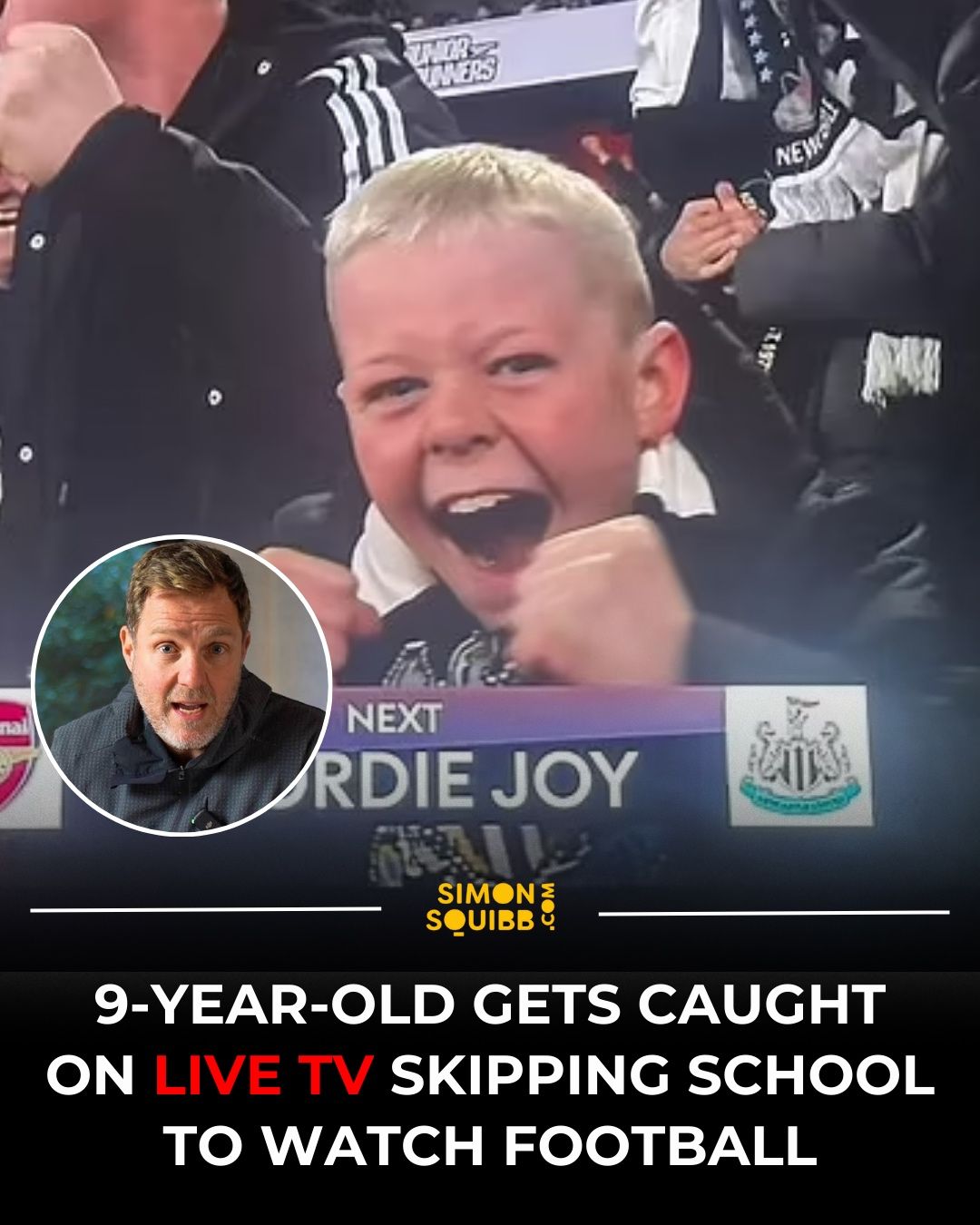
In a recent LinkedIn post, entrepreneur Simon Squibb offers a compelling critique of traditional educational systems, advocating instead for a more experiential and personalized approach to learning. Squibb highlights his son Sammy’s recent experience, which he frames as a more valuable lesson than anything taught in a conventional classroom setting.
Challenging Conventional Rules
Squibb opens his post by celebrating his son’s initiative, suggesting that sometimes it’s necessary to deviate from established rules. He posits that not all rules are beneficial and that discerning which ones to break is a crucial life skill. This sentiment is captured in his statement:
“Sometimes you have to break rules that don’t make sense. And no, not all the rules… but just the stupid ones.”
This philosophy, Squibb explains, is a primary reason he chooses to home-educate his son. He contrasts the passive learning often associated with classrooms with his active approach to Sammy’s education.
The Power of Real-World Experience
According to Squibb, true learning comes from immersion and direct experience, not from sitting in a classroom for extended periods. He illustrates this by describing how Sammy learns about Stonehenge by visiting the site rather than just studying it from afar. Squibb emphasizes the breadth of learning Sammy gains by accompanying him to business meetings, where he interacts with a diverse range of professionals and individuals from various cultural backgrounds.
Squibb argues that this exposure to a multitude of perspectives is far more enriching than the limited social and intellectual environment of a typical school. He states:
“He doesn’t just meet classmates. He comes with me to business meetings, meeting hundreds of people from different careers and cultures.”
He further elaborates on the limitations of the traditional school model, noting that it often keeps children in the same room with the same peers for many years. In Squibb’s view, this setup does not cater to how most children naturally learn best.
Learning Through Observation and Engagement
Simon Squibb asserts that children are natural observers and learners through experience. He contrasts the potential impact of a single, unremarkable school day with the lasting significance of memorable life events. As Squibb points out:
“Kids learn by watching and experiencing. One random Tuesday in a classroom won’t define a child’s future. But core memories like going to a football match will.”
He believes that the purpose of education should be to foster a child’s innate curiosity and guide their exploration of interests, rather than imposing a rigid, controlling structure. Squibb concludes by congratulating his son, Sammy, suggesting that such formative experiences will be far more impactful than any classroom lesson.
A Shift in Educational Perspective
Squibb’s message resonates with a growing sentiment among parents and educators who question the efficacy of standardized education in preparing children for a rapidly evolving world. His emphasis on practical application, diverse social interaction, and personal exploration offers a vision for an education system that is more adaptive and aligned with individual learning styles. The entrepreneur’s insights suggest a need to re-evaluate how we define valuable education, prioritizing real-world engagement and the cultivation of critical thinking skills over rote memorization.
📝 About This Content
This article is based on insights shared by Simon Squibb on LinkedIn.
📅 Originally posted on February 20, 2026 | View original post on LinkedIn →