
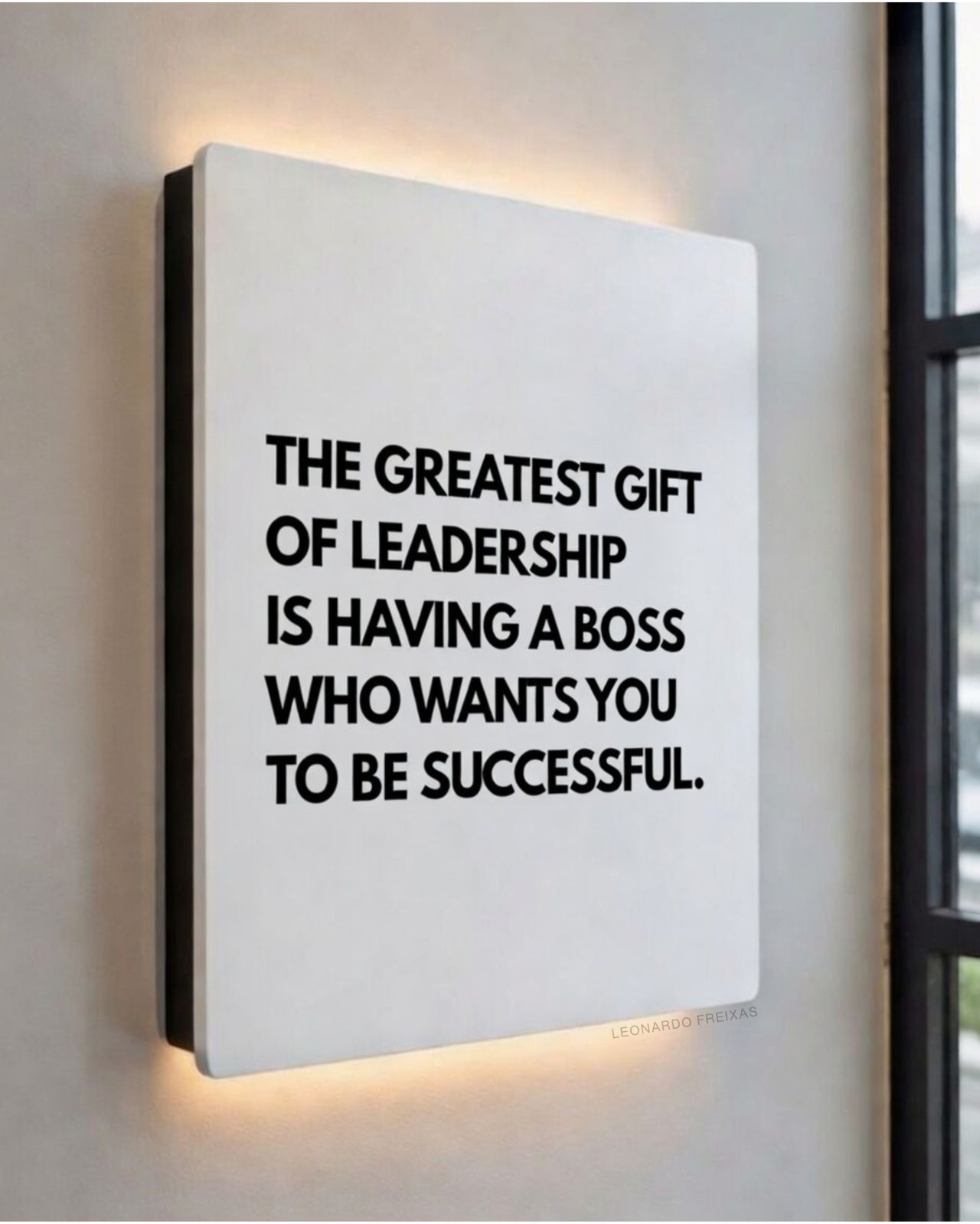
In a recent LinkedIn post, Leonardo Freixas explores a critical distinction between two leadership models: scaling output versus scaling capability. Freixas argues that while many leaders focus on increasing immediate results, true leadership development lies in cultivating the capacity of their teams.
Freixas shares a formative experience from early in his career where a boss advised him, “I’m not thinking about this role. I’m thinking about you three roles from now.” This perspective, he explains, was not about performance evaluation but about strategic power allocation, fundamentally shaping his understanding of leadership.
Capacity Leadership vs. Compounding Leadership
Freixas outlines two distinct leadership approaches. The first, which he terms ‘Capacity Leadership,’ involves centralizing decisions and maintaining indispensability. In this model, the leader reviews everything, and the team’s performance is contingent on their presence.
According to Freixas, this approach has limitations:
Capacity leaders cap at their calendar.
In contrast, Freixas champions ‘Compounding Leadership.’ This model focuses on expanding decision-making rights proactively, allowing team members to take ownership of tasks slightly beyond their immediate readiness. The goal, as Freixas emphasizes, is to build judgment rather than mere compliance.
Scaling Leverage Through Trust
The core difference, Freixas argues, lies in what each model scales. Capacity leadership scales supervision, while Compounding Leadership scales leverage. This distinction is crucial for sustainable growth and organizational resilience.
Freixas elaborates on the benefits of the compounding approach:
One model scales supervision. The other scales leverage.
He points out that while distributing control might feel risky compared to maintaining it, the real danger lies in creating dependency. A leader’s effectiveness, in Freixas’s view, should be measured by their team’s ability to thrive independently.
The Risk of Dependency
Freixas contends that leaders who focus solely on their own capacity inadvertently limit their organization’s potential. This approach, he notes, can lead to a bottleneck where progress is directly tied to the leader’s availability.
He states the ultimate consequence of failing to develop others:
If your team cannot outgrow you, you didn’t build leaders. You built extensions.
The insights shared by Freixas highlight the importance of intentional leadership development, moving beyond simple task management to foster a culture of empowered decision-making and genuine leadership growth within an organization.
In Freixas’s view, building leaders, not just high-performing individual contributors, creates a more robust and scalable enterprise. This approach fosters:
- More autonomous operators
- Faster decision-making
- Real succession depth
- Revenue that isn’t personality-dependent
Ultimately, Freixas encourages leaders to embrace the distribution of responsibility, recognizing that true compounding occurs when individuals are empowered to grow and lead.
📝 About This Content
This article is based on insights shared by Leonardo Freixas on LinkedIn.
📅 Originally posted on February 24, 2026 | View original post on LinkedIn →