
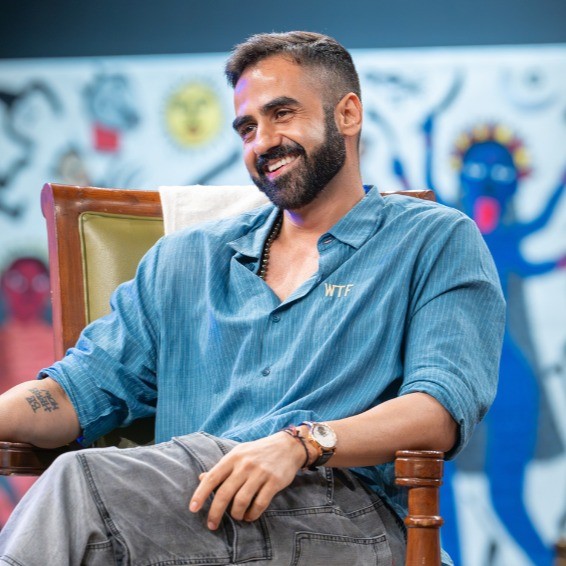
In a recent LinkedIn post, Nikhil Kamath explores profound questions surrounding artificial intelligence, the concentration of power in technology, and the enduring value of critical thinking skills. The post, which promotes an episode of his podcast, delves into a conversation with an individual described as building “what might be the most powerful technology in history.” Kamath uses this interaction to pivot to broader societal and individual concerns.
The Paradox of Power in AI Development
Kamath highlights the unsettling nature of immense power residing with individuals, particularly in the context of rapidly advancing AI. He notes the uncomfortable admission from a tech leader regarding their own power, suggesting it’s a sentiment that should give observers pause.
“The man building what might be the most powerful technology in history says he’s uncomfortable with how much power he has, that should tell you something.”
This observation, as presented by Kamath, implicitly raises concerns about governance, ethics, and the potential unchecked influence of AI developers. He questions the inherent trustworthiness of tech founders, pointing out a general skepticism towards those who claim purely benevolent intentions.
AI’s Cognitive Impact and the Future of Skills
A central theme in Kamath’s shared insights is the potential for AI to impact human intellect. He directly poses the question of whether AI will ultimately make individuals less capable of independent thought.
“we talked about whether AI will make us dumber…”
Further elaborating on this, Kamath emphasizes the critical importance of cognitive abilities in an increasingly automated world. According to his post, the ability to analyze, evaluate, and synthesize information may be the sole skill that retains and increases its value over time.
The Imperative of Critical Thinking
Kamath suggests that in an era where information is abundant and AI can perform many analytical tasks, the uniquely human capacity for critical thinking becomes paramount. This skill, he implies, is not easily replicated by machines and is essential for navigating complex challenges.
“and why the ability to think critically might be the only skill that appreciates from here.”
The post also touches upon practical advice for younger generations, specifically addressing what a 25-year-old in India should focus on currently. While the details of this advice are reserved for the podcast episode, Kamath frames it within the context of the evolving technological landscape and the need for adaptable, critical thinkers.
Navigating the Future
Kamath’s discussion, as highlighted in his LinkedIn update, serves as a call to consider the societal implications of powerful technologies and to cultivate fundamental human skills. By sharing these points, he prompts a broader conversation about the future of work, intelligence, and the ethical considerations surrounding AI development.
📝 About This Content
This article is based on insights shared by Nikhil Kamath on LinkedIn.
📅 Originally posted on February 24, 2026 | View original post on LinkedIn →