
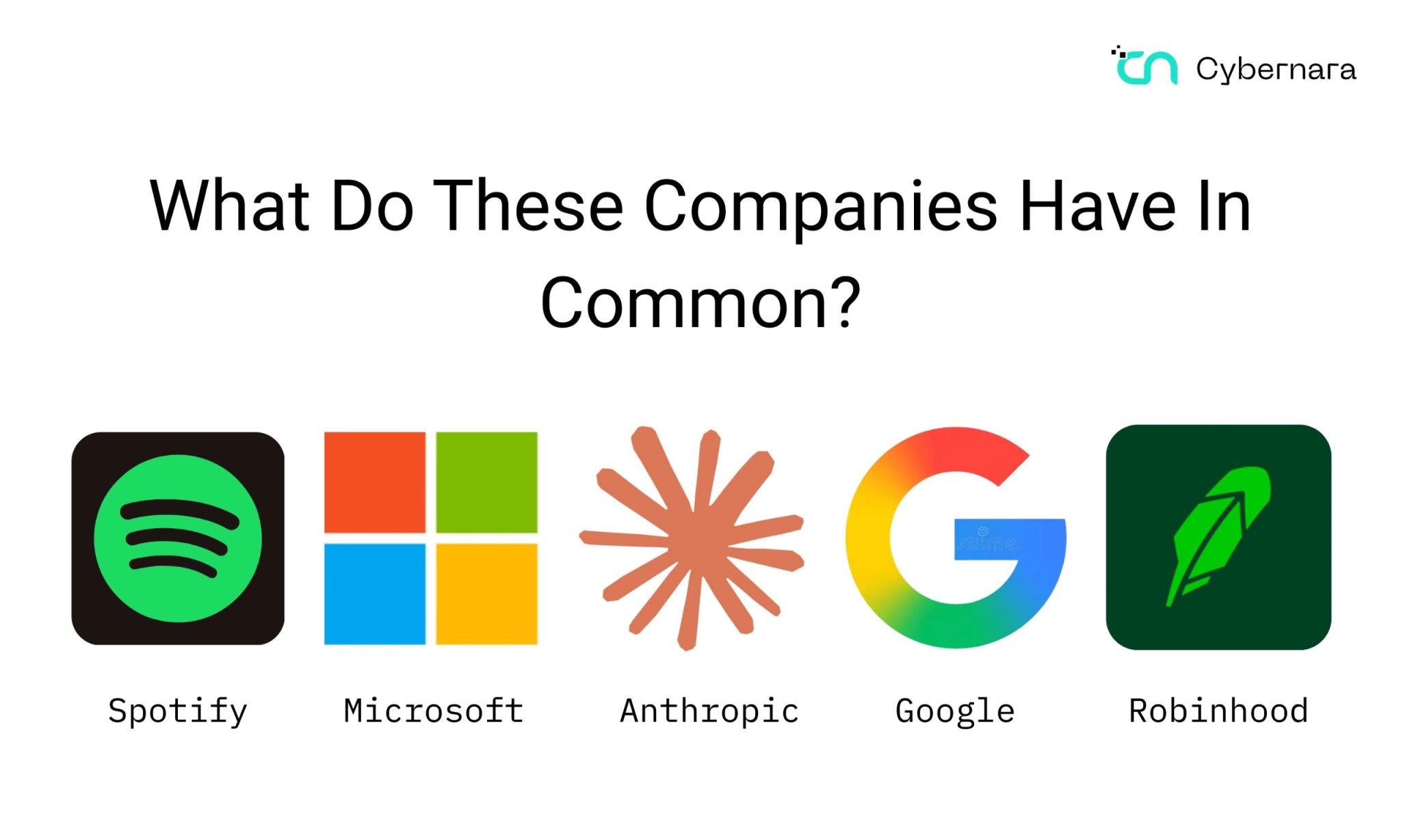
In a recent LinkedIn post, Chirag Goswami explores the rapidly evolving landscape of software development, particularly focusing on the increasing integration of Artificial Intelligence in code generation. Goswami highlights significant shifts within major tech companies, indicating that AI is no longer a futuristic concept but a present reality in their development workflows.
According to Goswami, the evidence for AI’s deep penetration into coding is substantial:
“At Spotify, leadership admitted some developers had barely written manual code for months because AI tools were doing most of it.”
He further details similar observations from other industry giants, painting a picture of widespread AI adoption. Goswami points out that at Microsoft, CEO Satya Nadella indicated that approximately 20–30% of their code is now AI-generated. Similarly, engineers at Google report that about a quarter of new code originates from AI systems. The trend extends to companies like Robinhood, where leadership has stated that roughly half of new code is written by AI tools, and Anthropic, where internal teams suggest AI can generate 70–90% of code in certain workflows.
The Shifting Role of the Developer
Despite these profound changes, Chirag Goswami argues against the notion that developers are becoming obsolete. Instead, he emphasizes that their roles are undergoing a significant transformation. The core of this change, as Goswami articulates, is a move away from manual typing towards higher-level cognitive tasks.
“Developers are not disappearing. But their job is changing. Less typing. More reviewing. More system design. More thinking.”
Goswami’s analysis suggests that the focus for developers will increasingly shift towards strategic and oversight functions. This includes not only reviewing AI-generated code for accuracy and efficiency but also engaging more deeply in the architectural and design phases of software projects. The ability to think critically, design complex systems, and ensure the overall integrity of software will become paramount.
Rethinking the Future of Coding
The central question posed by Goswami is not whether AI can write code—a capability he asserts is already a reality—but rather what the developer role will entail in the coming years. This forward-looking perspective challenges the industry to adapt and redefine the skills and responsibilities associated with software development.
“The question is no longer ‘Will AI write code?’ It already does. The real question is: What will the role of a developer look like in 5 years?”
Goswami’s insights encourage a proactive discussion about the future of the workforce in the age of AI. By highlighting the current state of AI integration and forecasting the evolving demands on developers, he prompts industry leaders and professionals alike to consider the necessary adjustments in training, skill development, and strategic planning to navigate this new era of technology.
📝 About This Content
This article is based on insights shared by Chirag Goswami on LinkedIn.
📅 Originally posted on March 11, 2026 | View original post on LinkedIn →