
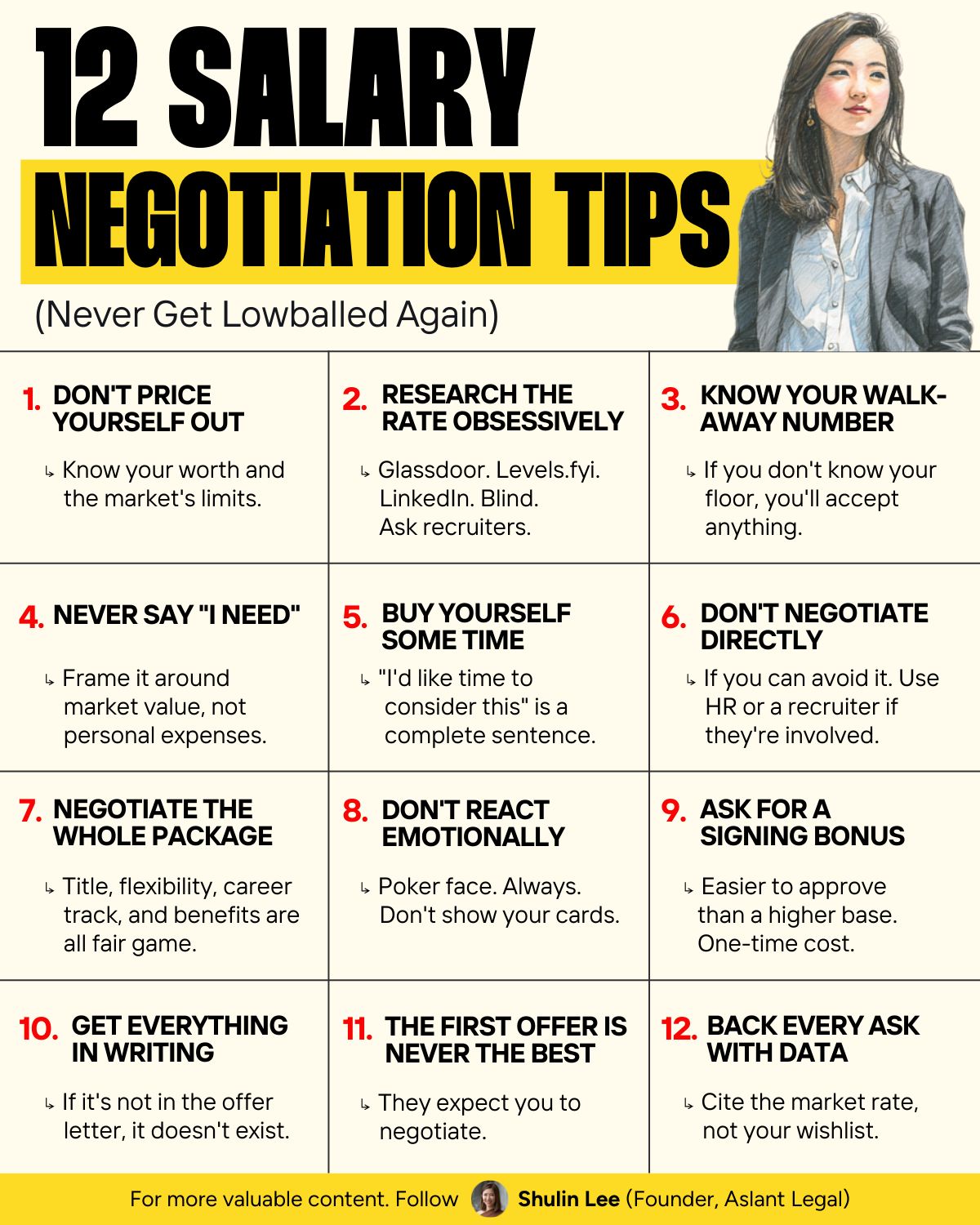
In a recent LinkedIn post, Shulin Lee, a legal recruiter with 15 years of experience, highlights a common yet often overlooked mistake made by job seekers: failing to negotiate their offers. Lee observes that many talented professionals accept the first salary presented to them, leaving significant earnings behind due to fear and a misunderstanding of the negotiation process.
Shulin Lee points out the prevalence of this behavior, stating:
“Most people don’t negotiate. They just… accept. First number. First offer. ‘Thank you so much.’ And walk away leaving thousands behind.”
This reluctance, according to Lee, stems not from laziness or ingratitude, but from a deep-seated fear. Candidates worry that pressing for more might cause the offer to be rescinded or that they will be perceived negatively.
The Fear of Appearing “Greedy”
A significant barrier to negotiation, as identified by Shulin Lee, is the fear of being labeled as “greedy.” This anxiety can paralyze even highly competent individuals, preventing them from advocating for their true worth. Lee argues that this perception is often a misconception on the part of the candidate.
According to Shulin Lee, employers often expect negotiation:
“They expect you to negotiate. The first offer is never the best offer.”
Lee emphasizes that remaining silent in the face of an initial offer is not a sign of appreciation but a strategic error that can lead to substantial financial loss over time. The recruiter’s insight suggests a disconnect between the candidate’s fear and the employer’s actual expectations.
Understanding the Nuances of Negotiation
Beyond overcoming fear, Shulin Lee also stresses the importance of understanding the art of negotiation itself. It is not about demanding excessive amounts or engaging in adversarial tactics. Instead, Lee frames negotiation as a process of understanding one’s value and communicating it effectively.
Finding the Fair Middle Ground
Shulin Lee advises professionals to differentiate between a fair negotiation and one that could damage a professional relationship. The goal, as Lee articulates, is not to “win” at all costs but to establish a fair starting point for a new role.
“The goal isn’t to win the negotiation. It’s to start the job right.”
This perspective reframes negotiation as a constructive step in the employment process, aimed at mutual understanding and a sustainable working relationship, rather than a confrontational battle. By understanding their worth and approaching the conversation with the right mindset, professionals can secure better compensation without burning bridges, Lee suggests.
📝 About This Content
This article is based on insights shared by Shulin Lee on LinkedIn.
📅 Originally posted on March 10, 2026 | View original post on LinkedIn →