
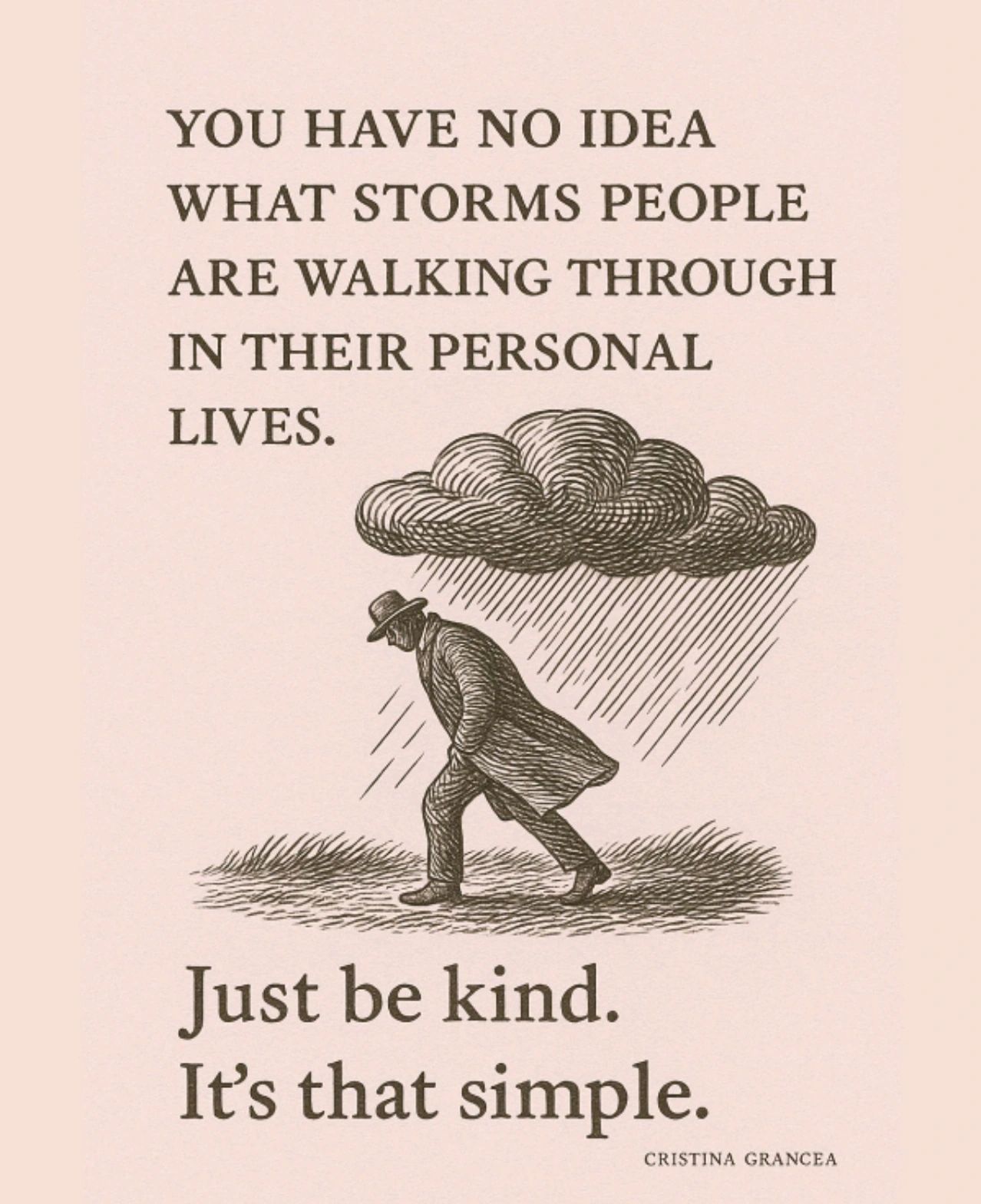
In a recent LinkedIn post, Cristina Grancea addresses the core human needs within the workplace, particularly during challenging economic and operational periods. The post argues that superficial perks are insufficient when employees are navigating significant struggles, emphasizing the critical role of authentic leadership in fostering trust and resilience.
Grancea begins by acknowledging the widespread difficulties faced by individuals and organizations. She points out the ongoing impacts of economic downturns, team reductions, and the increasing integration of automation into job roles. Against this backdrop, Grancea questions the effectiveness of traditional corporate statements and amenities.
“Catchy mission and vision statements? Nice to have – but they’re not what people need right now.”
The author contends that while elements like free snacks or modern office designs can contribute to a positive atmosphere, they do not provide the fundamental support required when times become difficult. Grancea’s analysis shifts to what employees genuinely require from their leaders and workplaces.
The Pillars of Essential Workplace Support
Grancea outlines a comprehensive list of leadership attributes and cultural elements that are paramount for employee wellbeing and engagement. These are presented not as optional extras, but as foundational requirements for building a supportive and effective work environment.
Key Leadership and Cultural Imperatives
According to Grancea, the current climate demands more than just surface-level engagement strategies. She highlights the necessity for:
- Leaders who are genuinely attentive and listen.
- Recognition that is perceived as authentic and meaningful.
- Clear guidance and communication, especially during periods of change.
- Equitable and fair treatment for all employees.
- Respect for personal time and work-life balance.
- A strong culture built on trust and a sense of belonging.
- Open, honest, and constructive communication channels.
- Empathy-driven leadership that prioritizes people over ego.
- Managers who actively champion their teams.
- Support for overall wellbeing, not solely focused on performance metrics.
- An environment where employees feel safe to voice their opinions and concerns.
- Opportunities for meaningful work that instills pride.
Grancea emphasizes that these elements are instrumental in creating workplaces where trust is foundational and individuals feel genuinely seen, heard, and valued.
“This is the kind of leadership that makes a real difference. The kind that focuses on what truly matters.”
Leadership Rooted in Empathy and Trust
The core of Grancea’s argument is that effective leadership in today’s complex environment must be deeply human-centric. She argues that prioritizing empathy, clear communication, and genuine support builds a more resilient and committed workforce.
“That builds workplaces where trust is the norm. Where people feel seen, heard, and valued.”
Grancea concludes by inviting further discussion, seeking additional insights from her network on what other essential elements contribute to a thriving workplace culture. Her post serves as a powerful reminder for leaders to focus on substantive support rather than superficial gestures, especially when navigating unpredictable times.
📝 About This Content
This article is based on insights shared by Cristina Grancea on LinkedIn.
📅 Originally posted on March 8, 2026 | View original post on LinkedIn →