
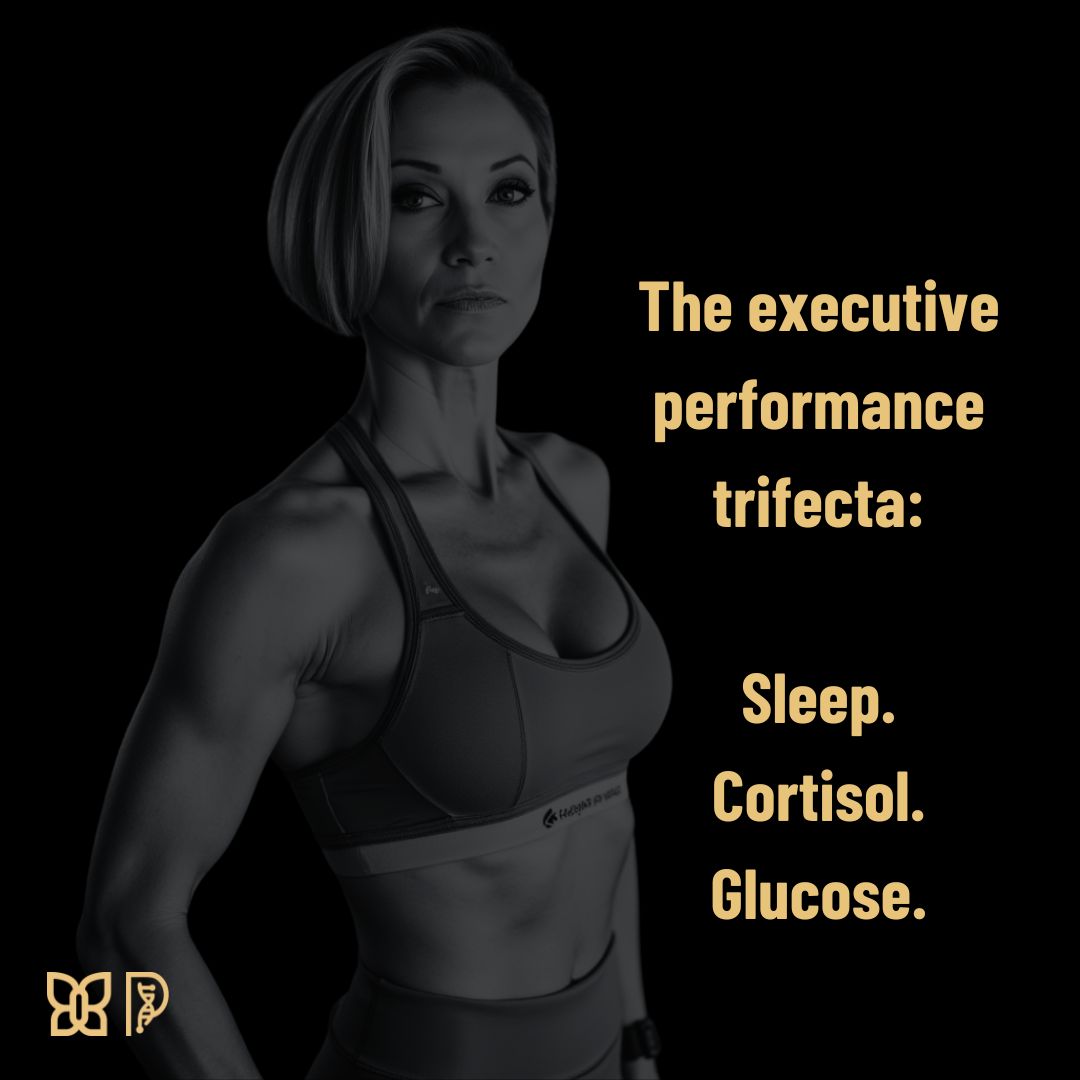
In a recent LinkedIn post, Liz Bradford challenges the conventional approach to executive productivity, arguing that leaders are often optimizing the wrong variables. Instead of solely focusing on time management techniques like protecting calendar blocks or batching meetings, Bradford asserts that the true constraint on high performance is the amount of useful cognitive work accomplished within those hours. She frames this as a capacity problem, not merely a time problem.
The Capacity Equation: Performance = Time × Capacity
Bradford introduces a fundamental equation that she believes redefines how executives should approach productivity: PERFORMANCE = Time × Capacity. She emphasizes that while time is a fixed quantity, capacity can be significantly expanded within the available hours. This reframing moves the focus from external time management to internal biological optimization.
“You can’t get more time. But you can significantly expand your capacity within the time you have.”
Understanding and Leaking Capacity
According to Bradford, capacity is not about motivation or grit, but rather the measurable output of three interconnected biological systems: sleep architecture, cortisol rhythm, and glucose stability. When these systems function optimally, cognitive output remains high and consistent. Conversely, when they are degraded, decision quality suffers, strategic thinking narrows, and individuals rely more on pattern recognition than genuine analysis.
Bradford highlights a critical point about decision-making timing:
“Your 4pm decisions are biologically different from your 9am decisions – and most executives have no idea by how much 📉”
The Three Biggest Capacity Leaks
Bradford identifies three primary areas where executive capacity is often depleted:
- Sleep Efficiency Below 85%: She argues that total sleep hours are less critical than the quality and depth of restoration. Poor sleep efficiency directly impacts the prefrontal cortex, essential for strategic thinking, leading to a deficit before the workday even begins.
- No Cortisol Recovery Window: Bradford explains that cortisol levels naturally peak in the morning and should taper throughout the day. Back-to-back high-stakes meetings disrupt this natural rhythm, flattening the cortisol curve and diminishing decision patience.
- Glucose Instability: Irregular eating patterns, reliance on caffeine, and eating at one’s desk can lead to blood sugar swings that directly affect cognitive consistency. The common afternoon slump, she notes, is a metabolic signal, not a personality flaw.
Engineering for High Output
Bradford reframes the solution not as a wellness initiative, but as an engineering challenge. She posits that executives achieving consistent high output are not inherently superhuman but have intentionally designed their biological systems to support their performance goals. This design approach prioritizes supporting biological systems over relying solely on willpower.
She concludes her post with a call to action for executives to conduct a personal capacity audit:
“Run your own capacity audit this week. Which of the three leaks is your biggest? Sleep, cortisol, or glucose? Start there – not with another productivity system.”
In essence, Liz Bradford’s insights on LinkedIn advocate for a fundamental shift in how leaders approach productivity, urging them to prioritize the optimization of their internal biological systems over traditional time management tactics to achieve sustainable high performance.
📝 About This Content
This article is based on insights shared by Liz Bradford on LinkedIn.
📅 Originally posted on March 4, 2026 | View original post on LinkedIn →