
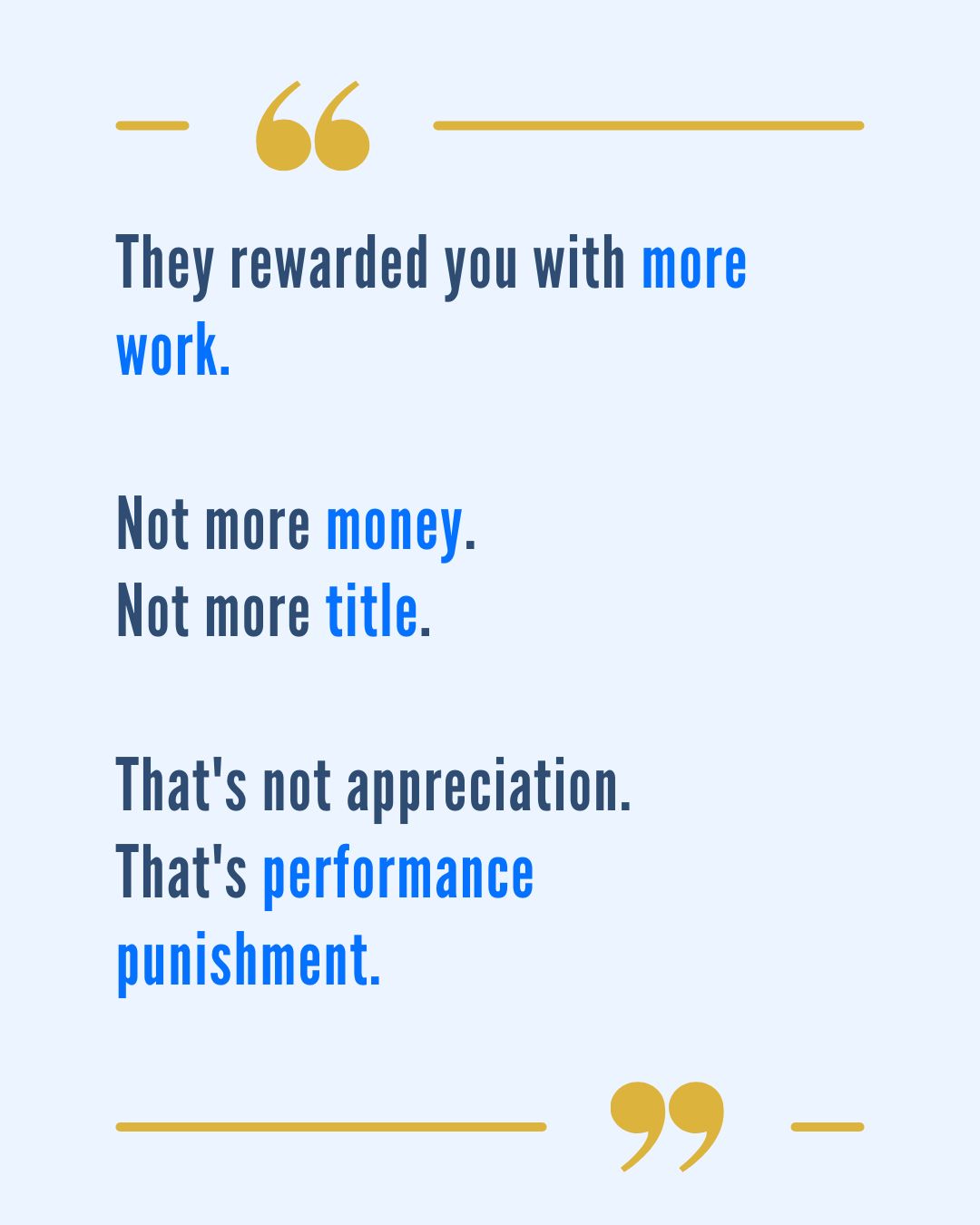
In a recent LinkedIn post, Ehsan Ali addresses a common frustration among high-achieving professionals: being rewarded for strong performance with more work, rather than advancement or increased compensation. Ali contends that this scenario often amounts to what he terms “performance punishment,” a situation where reliability and consistent delivery inadvertently hinder career progression.
Ali highlights a poignant observation shared during a “Hidden Gold” roundtable, where a Senior Engineering Manager expressed a recurring experience: “I’ve been the most reliable person in 3 different teams. I’ve never once been the most promoted.” This sentiment, Ali notes, resonated deeply with many attendees, underscoring a widespread issue.
The Safety Net Syndrome
Ehsan Ali argues that high performers frequently become the de facto safety net for their organizations. When issues arise, whether it’s a system failure, a cross-team crisis, or an urgent executive request, these individuals are often the first to be called upon. Ali describes this as the “safety net syndrome,” where the role gradually expands to include numerous critical but less visible responsibilities.
“And slowly your role becomes this invisible pile of steering committees, executive reporting, cross-functional fire drills. Important work. Useful work. But not promotable work.”
According to Ali, this type of work, while vital for keeping the organization running smoothly, does not typically align with the criteria for promotions. He observes that career advancement often bypasses those who are solely focused on maintaining the status quo.
Promotable Work vs. Essential Work
Ali draws a clear distinction between the work that earns promotions and the work that keeps an organization stable. He asserts that promotions are more likely to be given to individuals leading initiatives that have a significant impact on key business objectives.
Identifying High-Impact Initiatives
In Ehsan Ali’s view, the work that garnishes senior leadership attention and leads to advancement typically falls into categories such as:
- Revenue risk mitigation
- Enhancing delivery velocity
- Driving platform modernization
- Addressing critical capability gaps
This is the type of work that often appears in board packs and is discussed in closed-door executive meetings – the kind of work that signals a candidate is ready for greater strategic responsibility.
“Because promotions rarely go to the person holding the system together. They go to the person leading the work leadership cannot afford to get wrong.”
The Power of Communication
Beyond the nature of the work itself, Ehsan Ali emphasizes the critical role of how that work is communicated. He suggests that framing contributions effectively can significantly alter perceptions of leadership potential.
Shifting the Narrative
Ali contrasts two approaches to discussing accomplishments:
- Less Effective: “Here’s what I did.”
- More Effective: “Here’s the business problem I saw. Here’s the initiative I led. Here’s the outcome it created.”
As Ali points out, the first statement positions an individual as dependable, while the second signals someone capable of shaping strategic decisions. “Same work. Different signal,” he writes, illustrating how this reframing can lead to a title rather than just more responsibilities.
“The first sounds like someone dependable. The second sounds like someone who should be shaping decisions.”
For professionals who find themselves consistently in the role of the “safety net,” Ali advises learning to reposition their existing work to ensure it is recognized by the right stakeholders. He concludes by encouraging those who have been in this situation to consider how they can adjust their narrative to highlight their strategic impact and potential for leadership.
📝 About This Content
This article is based on insights shared by Ehsan Ali on LinkedIn.
📅 Originally posted on March 16, 2026 | View original post on LinkedIn →