
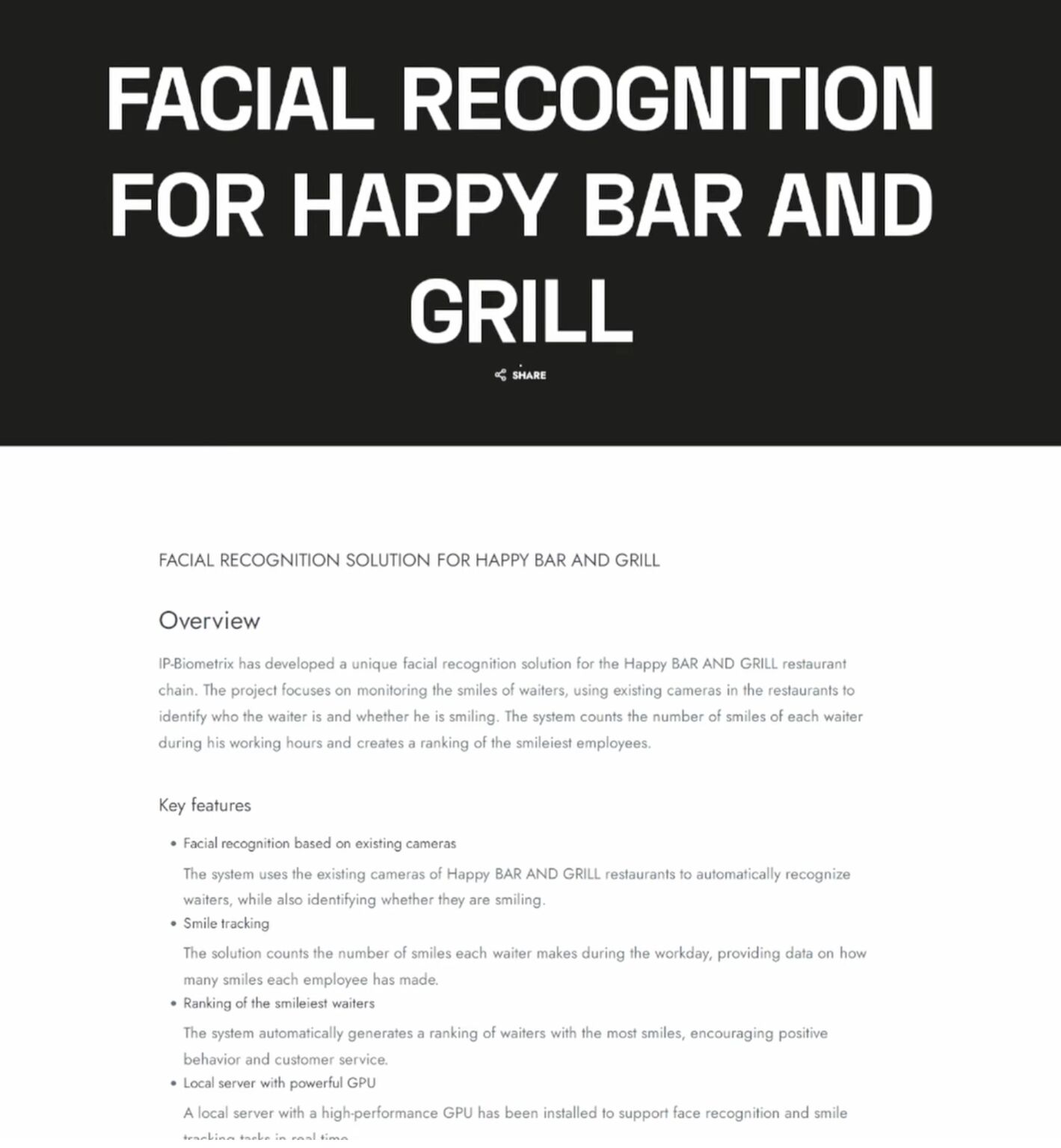
In a recent LinkedIn post, Mark Firth raises critical questions about the increasing use of artificial intelligence in the workplace, specifically highlighting a case study involving AI used to enforce employee smiling.
Firth expresses skepticism and concern regarding this technological application, posing a rhetorical question about the surprise factor: “But is anybody surprised they are taking a chance to micromanage even more?”
The Rise of AI-Driven Workplace Surveillance
Mark Firth’s post delves into the implications of companies leveraging AI for employee monitoring, suggesting that such tools can easily become instruments of excessive micromanagement. He points out the existing challenges employees face in their daily work lives, stating,
“Spending your life in a a job was already hard enough”
.
The author of the post implies that the drive for efficiency through AI might be overshadowing concerns for employee well-being and autonomy. Firth elaborates on the potential for expanded surveillance, questioning the future of remote work monitoring: “Will they enforce a webcam ‘on’ all day for work from home? I bet they will….”
Examining the Ethics of Employee Monitoring
According to Mark Firth, the deployment of AI for enforcing behaviors like smiling suggests a broader trend towards heightened corporate oversight. He critiques the potential for these technologies to create a more stressful and less authentic work environment. Firth’s commentary serves as a cautionary note for businesses considering such intrusive monitoring systems.
While not naming the company involved, Firth uses the case study to illustrate a point about corporate culture and the adoption of new technologies. As Firth notes, the very existence of such a case study, even if anonymized, indicates a willingness among some organizations to explore these advanced forms of employee management.
Firth’s post encourages a broader discussion on the ethical boundaries of AI in the workplace and the balance between productivity goals and employee dignity. His insights prompt readers to consider the long-term impact of constant surveillance and behavioral enforcement on employee morale and job satisfaction.
📝 About This Content
This article is based on insights shared by Mark Firth on LinkedIn.
📅 Originally posted on March 15, 2026 | View original post on LinkedIn →