
In a recent LinkedIn post, Melina Panetta challenges a common piece of career advice that discourages individuals from pursuing new paths later in life. Panetta, who works with senior leaders transitioning from corporate roles, highlights the internal struggles faced by many professionals in their 40s, 50s, and 60s who feel they have missed their opportunity for a significant career change.
Panetta opens by directly confronting the detrimental notion that age is a barrier to starting over. She states:
“The worst career advice I ever heard: ‘You’re too old to start over.'”
The post details the difficult conversations Panetta has with seasoned leaders who express regret about not making a change sooner. These individuals often feel trapped by the success they’ve achieved, having built substantial careers, led teams, and met targets. However, the work itself has ceased to be fulfilling.
The Illusion of Being ‘Too Far In’
A core theme in Panetta’s analysis is the self-imposed limitation that success can create. Leaders often tell themselves they are “too established to pivot,” “too far in to change direction,” or “too late to start something new.” This narrative, Panetta argues, prevents them from recognizing that their accumulated experience is a unique asset, not a liability.
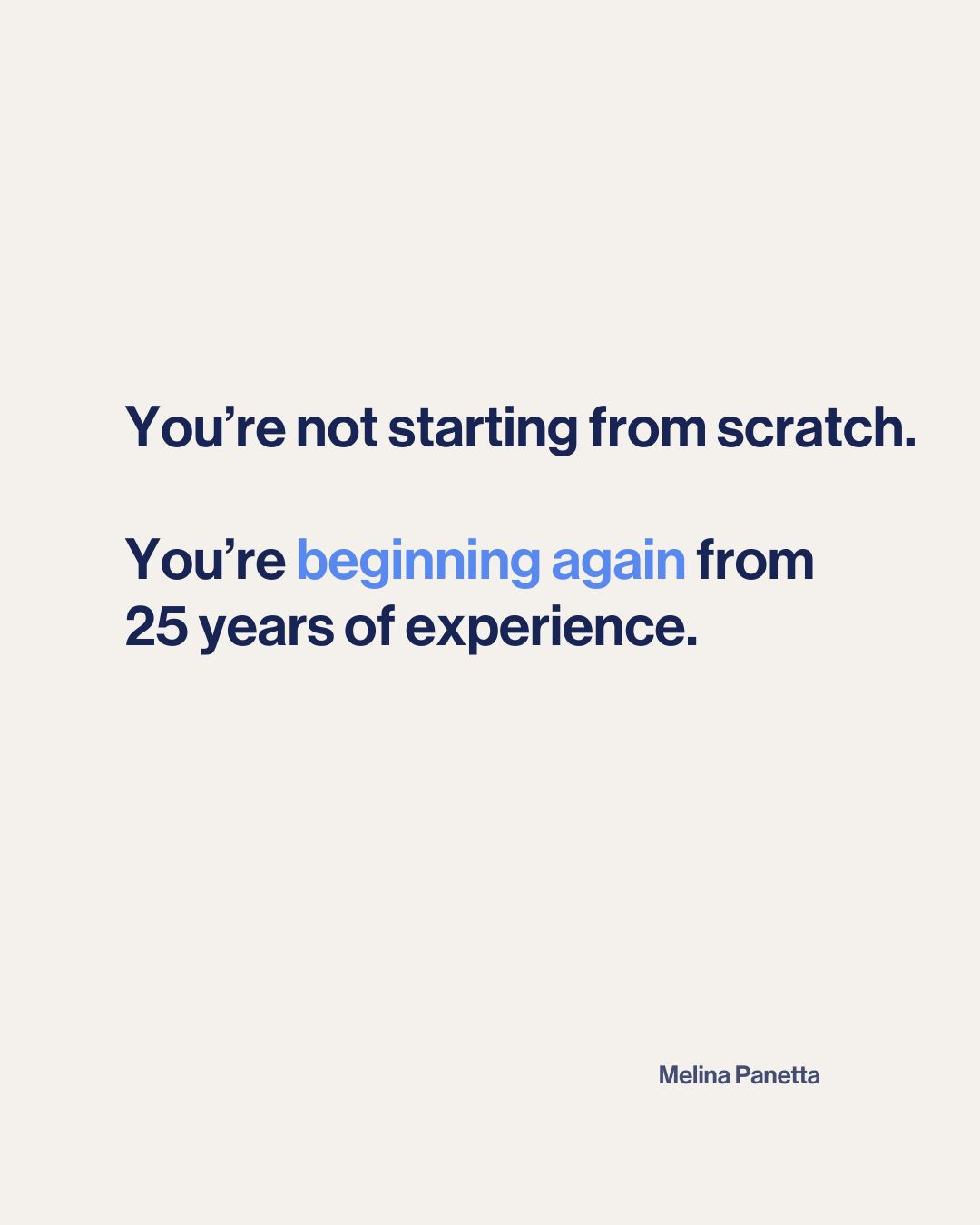
Panetta emphasizes that individuals considering a career shift later in life are not starting from scratch. Instead, they are leveraging a wealth of experience. As she puts it:
“You’re not starting from zero. You’re starting from judgment. The relationships you built. The decisions you’ve made. The patterns you now see instantly.”
This perspective reframes age and experience as advantages. The wisdom gained from decades of professional life, including navigating successes and failures, provides a foundation of understanding and discernment that younger professionals may lack.
Experience as the True Qualification
Panetta shares her experience working with over 118 senior leaders who successfully transitioned from corporate environments to establish advisory practices. She notes that these individuals were not acting impulsively but were guided by a newfound trust in their own expertise.
Panetta contends that the courage required for a significant career change at an older age stems directly from accumulated life and professional experience. She writes:
“The courage to change direction at 45, 55, or 65? That doesn’t come from youth. It comes from experience.”
According to Panetta, age should not be seen as a disqualifier for seeking a different professional path. Instead, it should be viewed as a qualification, equipping individuals with the resilience, insight, and credibility needed to forge a new direction. The true misstep, in her view, is allowing these opportunities to pass by due to unfounded fears about age.
Embracing the ‘Second Act’
Panetta encourages readers to recognize that a fulfilling career evolution is possible at any stage. The work that has sustained them may no longer align with their values or aspirations, and acknowledging this discomfort is the first step toward change. She concludes with a powerful message:
“It qualifies you. The only real mistake is waiting another ten years to trust the life that’s already trying to get your attention.”
Her insights serve as a crucial reminder for seasoned professionals that their career journey does not have a predetermined endpoint and that their accumulated experience is their greatest asset for building a meaningful ‘second act’.
📝 About This Content
This article is based on insights shared by Melina Panetta on LinkedIn.
📅 Originally posted on March 12, 2026 | View original post on LinkedIn →