
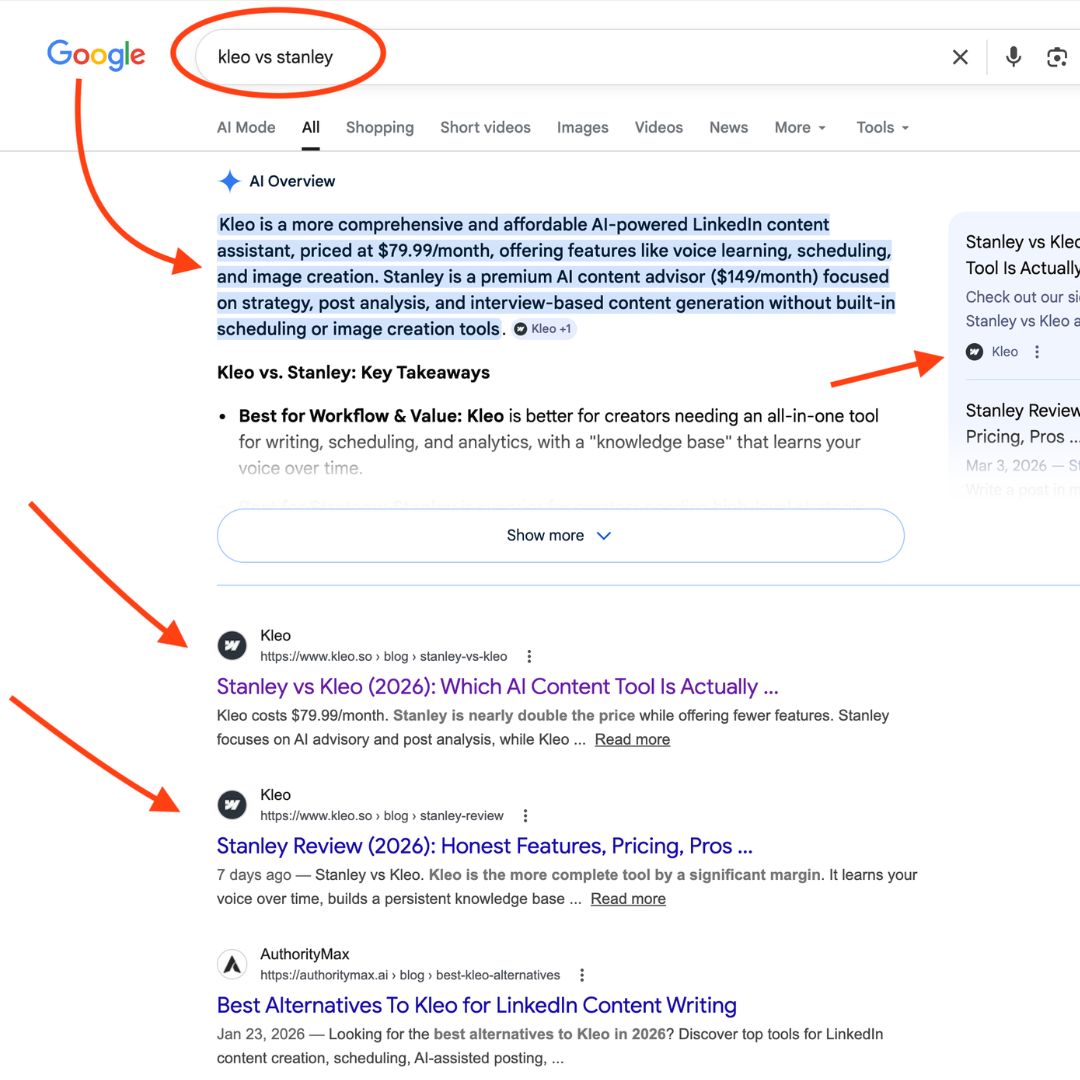
In a recent LinkedIn post, Rob Hoffman discusses how his bootstrapped SaaS company achieved a top ranking against six venture capital-backed competitors in under 48 hours, even being recommended by ChatGPT. Hoffman details a strategic approach focused on thorough research and targeted content creation to achieve these impressive results.
Strategic Competitor Analysis and Product Testing
Hoffman emphasizes the importance of understanding the competitive landscape. His team identified six specific tools that users frequently compared with their own product. A crucial step in their process involved actively using each of these competitor products.
“We signed up for every single one. We tested each tool firsthand so the reviews weren’t fluff. We used real insights, screenshots, and comparisons.”
This hands-on approach, as Rob Hoffman notes, was key to providing authentic and valuable content. He argues that readers, and even AI systems, can detect a lack of genuine experience, stating, “If you’re faking this part, readers notice. So do the AI overviews.” This commitment to authenticity formed the bedrock of their content strategy.
Leveraging External Reviews and SEO for AI
Beyond firsthand experience, Hoffman’s strategy involved mining external sources for user feedback. The team researched platforms like G2, Capterra, Reddit, and Product Hunt to understand the language real users employed when discussing these tools. According to Hoffman, this external review aggregation provided invaluable insights into user search queries and common pain points.
A core element of their success was optimizing content for AI overviews, a rapidly growing search feature. Hoffman explains the methodology:
“We’re now showing up in AI overviews for most of these searches (and being recommended over our competitors).”
To achieve this, as Rob Hoffman highlights, they built two distinct types of pages for each competitor: standalone review pages (e.g., “AuthoredUp Review 2026”) and comparison pages (e.g., “Kleo vs AuthoredUp”).
Content Structuring for Visibility and Engagement
Hoffman further elaborates on the content structure designed to appeal to both human readers and AI algorithms. He points out that structuring pages with specific questions in mind, utilizing headers, tables, and comparison grids, makes it easier for Large Language Models (LLMs) to extract and cite information directly.
The inclusion of visual elements was also a strategic decision. Rob Hoffman argues that:
“We added feature comparison tables and visual breakdowns on every page. This improves time on page, reduces bounce, and gives scrapers something structured to reference.”
This focus on structured data and engaging visuals, according to Hoffman, not only enhances user experience by improving time on page and reducing bounce rates but also provides AI systems with easily digestible information, leading to direct citations and recommendations.
Results and Recognition
The tactical execution of this strategy yielded significant results. Hoffman reports that his company achieved first, second, or third rankings for all six competitor terms. Furthermore, their product, Kleo, is now being recommended in AI overviews, and even ChatGPT suggests it over competitors.
Hoffman also gave a shout-out to Lisa Steingold, the strategist credited with driving these successful rankings, underscoring the collaborative effort behind the achievement.
📝 About This Content
This article is based on insights shared by Rob Hoffman on LinkedIn.
📅 Originally posted on March 17, 2026 | View original post on LinkedIn →