
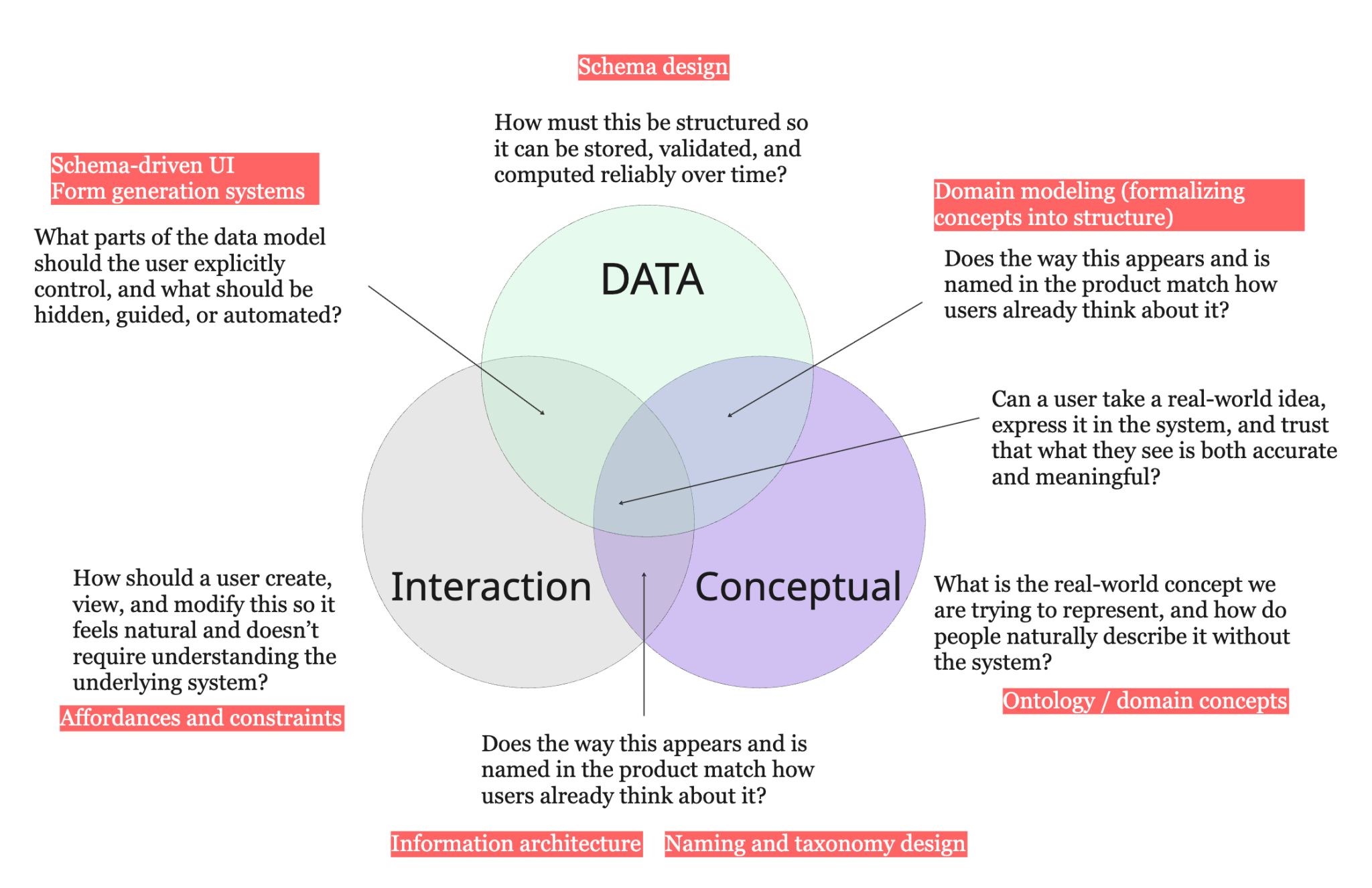
In a recent LinkedIn post, John Cutler explores the fundamental shifts AI is introducing to how we approach model design and data trustworthiness. Cutler, a prominent voice in the tech community, poses critical questions about the future of explicit modeling and the reliability of AI-generated outputs.
Rethinking Upfront Modeling in the Age of AI
Cutler challenges the traditional necessity of meticulously upfront modeling, given AI’s growing capacity for inference. He asks:
If AI: 1. can infer structure, how much do we still need to explicitly model upfront?
As John Cutler points out, this capability of AI suggests a potential reduction in the upfront effort traditionally required to define and structure data. This could streamline development processes and allow teams to focus on higher-level strategic thinking rather than granular data preparation.
The Implications of Model Translation and Output Trustworthiness
Further delving into the implications of advanced AI, Cutler also questions the rigidity required in model layers when AI can facilitate translation between different models. He prompts readers to consider:
2. can translate between models, how much do these layers actually need to match?
According to John Cutler, the ability of AI to bridge gaps between disparate models may lessen the strict requirements for perfect alignment between these layers. This flexibility could open new avenues for integrating diverse AI systems and leveraging their combined strengths.
Moreover, Cutler addresses the critical issue of output trustworthiness in an era where AI can generate plausible results even from imperfect data. He articulates this concern by asking:
3. can generate plausible outputs from messy inputs, what do we need to make trustworthy?
In John Cutler’s view, the focus is shifting. “The problem moves from designing perfect models to designing reliable context for interpretation,” he states. This highlights a paradigm shift where the emphasis is less on the perfection of the AI model itself and more on the surrounding environment and human oversight that ensures the generated outputs are reliable and actionable.
Navigating the New Landscape of AI Development
Cutler’s post signals a move towards a more dynamic and context-aware approach to AI. Instead of solely concentrating on building flawless algorithms, the challenge now lies in creating robust frameworks for understanding and validating AI-driven results. This requires a deeper consideration of how AI interacts with real-world data and how its outputs are consumed and interpreted.
He concludes by noting that these are the very problems being tackled at Dotwork, inviting further discussion on the subject. John Cutler’s insights offer a valuable perspective for anyone involved in AI development, prompting a necessary re-evaluation of established practices in light of emerging AI capabilities.
📝 About This Content
This article is based on insights shared by John Cutler on LinkedIn.
📅 Originally posted on March 20, 2026 | View original post on LinkedIn →