
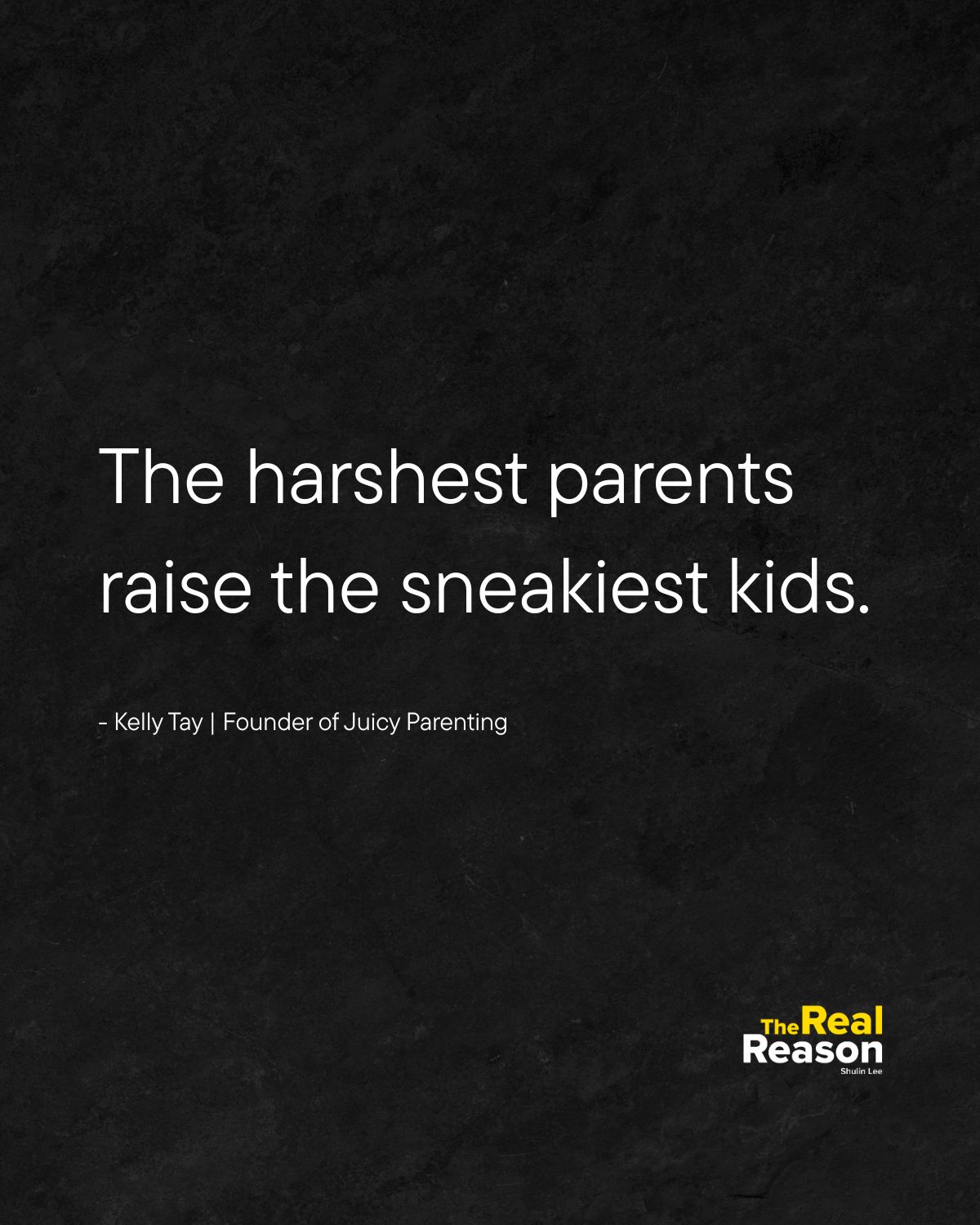
In a recent LinkedIn post, Shulin Lee challenges conventional approaches to parenting and discipline, drawing a stark contrast between raising a child who trusts and one who fears their parent. Lee argues that the goal of parenting should be to foster respect, not mere obedience born out of fear, highlighting the long-term consequences of harsh disciplinary methods.
The post, which was inspired by a conversation with Kelly Tay, founder of Juicy Parenting, on the podcast “The Real Reason,” delves into the psychological impact of physical punishment and the reasons why teenagers might become distant from their parents. Lee posits that a child’s silence or lack of communication often stems from early disciplinary experiences.
“You’re not raising a respectful child. You’re raising a child who’s afraid of you. HUGE difference.”
The Difference Between Trust and Fear
Shulin Lee emphasizes that true respect in a child’s behavior is rooted in trust, whereas obedience derived from fear is fragile and can lead to negative outcomes. According to Lee, parents who resort to harsh methods may inadvertently cultivate sneakiness rather than genuine good behavior.
“One listens because they trust you. The other obeys because they fear what happens if they don’t,” Lee writes, underscoring the fundamental distinction between these two parenting styles. This approach, Lee suggests, shapes a child’s long-term relationship with authority and their own self-perception.
Addressing the Roots of Disobedience and Distance
The discussion on “The Real Reason” podcast, as highlighted by Lee’s post, explored several critical areas relevant to modern parenting challenges. These include:
- The neurological effects on a child’s brain when subjected to physical punishment.
- The connection between early disciplinary actions and teenage communication breakdowns.
- Alternative strategies to yelling when a child is not listening.
- Methods for repairing parent-child relationships damaged by overly harsh parenting.
Lee specifically addresses the common parental refrain, “I turned out fine,” characterizing it not as a justification but as an excuse to avoid introspection and the difficult work of adopting healthier parenting practices.
“‘I turned out fine’ isn’t a reason. It’s an excuse to avoid doing the hard work.”
Breaking Intergenerational Cycles
A significant theme in Lee’s post is the idea of breaking cycles of harsh parenting. For individuals who experienced physical discipline themselves, the temptation to replicate those methods can be strong. Lee suggests that this episode is designed to be uncomfortable for those who find themselves repeating these patterns, framing that discomfort as a catalyst for positive change.
“If you grew up being caned or hit, and now find yourself doing the same thing, this episode will make you uncomfortable. In the best way.”
The post concludes with a call to action, encouraging listeners and readers to share the episode if they are committed to breaking these cycles. Links to the full episode on YouTube, Spotify, and Apple Podcasts are provided, indicating a broader effort by Lee to disseminate these insights beyond the initial LinkedIn post.
Shulin Lee’s commentary serves as a powerful reminder for parents to reflect on their disciplinary methods and their underlying impact on a child’s emotional development and the parent-child relationship.
📝 About This Content
This article is based on insights shared by Shulin Lee on LinkedIn.
📅 Originally posted on March 28, 2026 | View original post on LinkedIn →