
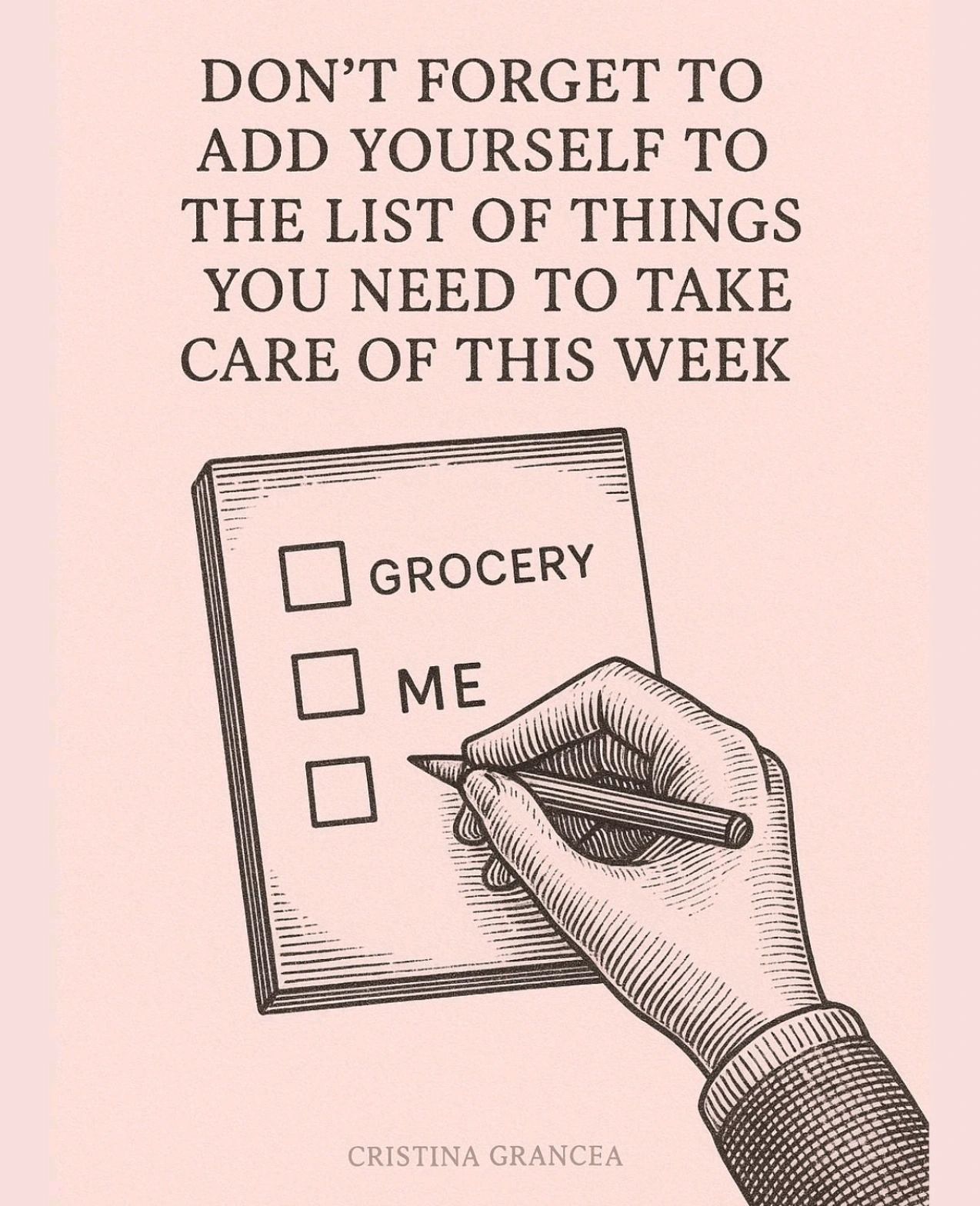
In a recent LinkedIn post, Cristina Grancea discusses the critical importance of recognizing and combating burnout, offering practical strategies for maintaining well-being amidst demanding professional lives. Grancea emphasizes that when one is running on empty, the effects ripple through all aspects of life, hindering creativity, making tasks feel arduous, and leading to irritability and exhaustion.
Grancea highlights the insidious nature of burnout, stating:
That’s not just exhaustion. That’s burnout starting to take hold. That’s when I know it’s time to slow down and look after myself.
The Early Signs and Impact of Burnout
Grancea’s post serves as a personal reminder, acknowledging that these feelings are common and often indicate a need for immediate self-care. The author details how a depleted state can manifest in a cessation of fresh ideas, a feeling of heaviness even with minor tasks, and a general sense of being drained and snappy. This, according to Grancea, is the precursor to burnout, signaling a vital moment to pause and reassess one’s approach to work and life.
Grancea’s Six-Step Framework for Recovery
To navigate these challenging periods, Grancea outlines a six-step framework that she herself returns to. These steps are designed to proactively manage energy and prevent burnout from taking a significant toll.
1. Setting Boundaries
The first step involves establishing clear boundaries. Grancea advises shutting down the laptop at the end of the workday and fiercely protecting evenings and weekends from work encroachment. This dedication to personal time is framed as essential for mental rejuvenation.
2. Scheduling Non-Negotiable Breaks
Secondly, Grancea advocates for scheduling short, mandatory breaks throughout the day. She suggests blocking out 10–15 minutes between calls for a brief respite, emphasizing the need to step away, breathe, and consciously protect this time.
3. Tracking Workload Weekly
Grancea recommends a weekly review of one’s workload, suggesting the use of a journal to track tasks and identify potential overload before it becomes overwhelming. This proactive monitoring, as Grancea points out, can help spot the weight before it crushes you.
4. Saying No Without Guilt
A crucial element of Grancea’s strategy is learning to say no without feeling guilty. This involves guarding one’s energy and recognizing that it is permissible to decline or delegate tasks that can wait or be handled by others.
5. Stopping Overcommitment
Grancea addresses the common tendency to overcommit, reminding readers that individuals are not expected to do everything. The focus, she argues, should be on performing one’s core responsibilities well rather than taking on an excessive number of tasks.
6. Prioritizing Sleep and Rest
Finally, Grancea underscores the fundamental importance of sleep and rest. She posits that sleep is not a luxury but essential fuel for the mind and body, providing the necessary space for mental disengagement and recovery.
Grancea concludes her post with a powerful statement on the true nature of self-care in a professional context:
Burnout steals your best work before you even notice. So pause. Rest. Reset. Taking care of yourself isn’t indulgence. It’s the only way you’ll keep showing up at your best.
By sharing these insights, Cristina Grancea provides a valuable guide for professionals seeking to maintain their performance and well-being by proactively managing the risks of burnout.
📝 About This Content
This article is based on insights shared by Cristina Grancea on LinkedIn.
📅 Originally posted on April 1, 2026 | View original post on LinkedIn →