
In a recent LinkedIn post, Daniel Pink explores the fascinating neuroscience behind how our thoughts, and specifically the repetition of those thoughts, shape our perception of reality and our very sense of self. Drawing on scientific principles, Pink highlights how the brain’s mechanisms for learning and belief formation are heavily influenced by what we repeatedly expose ourselves to.
Pink begins by stating a core tenet of his argument: the brain’s indifference to the objective truth of a thought.
“Your brain does not care if a thought is true. It believes whatever you repeat.”
This fundamental observation sets the stage for understanding why intentional thought patterns can be so powerful. As Daniel Pink explains, the brain learns through repetition, a process that strengthens specific neural pathways. The more a thought is repeated, the more robust the associated neural connection becomes, making that thought feel more ingrained and, crucially, more true.
The Brain’s Love Affair with Familiarity
Daniel Pink further elaborates on the brain’s inherent preference for familiarity. This preference means that even thoughts not grounded in fact can begin to feel authentic simply because they are repeated often. This phenomenon, according to Pink, has significant implications for our mental well-being.
He points out the direct link between this mechanism and personal experiences:
“This explains why repeated negative thoughts can start to feel like reality. And why repeating accurate, positive thoughts can calm you, steady you, and build confidence.”
In Pink’s view, this principle is not just theoretical; it’s actively utilized in therapeutic practices. Therapists, he notes, leverage this understanding to help individuals reframe their internal narratives. By guiding patients to replace detrimental thought patterns with healthier, more accurate ones through deliberate repetition, they facilitate significant psychological change.
Neuroplasticity: The Brain Rewires Itself
Central to Daniel Pink’s analysis is the concept of neuroplasticity. He emphasizes that the brain is not a static organ but is remarkably adaptable, capable of rewiring itself based on consistent practice and experience rather than mere intention.
“Your brain is plastic. It rewires itself based on practice, not intention.”
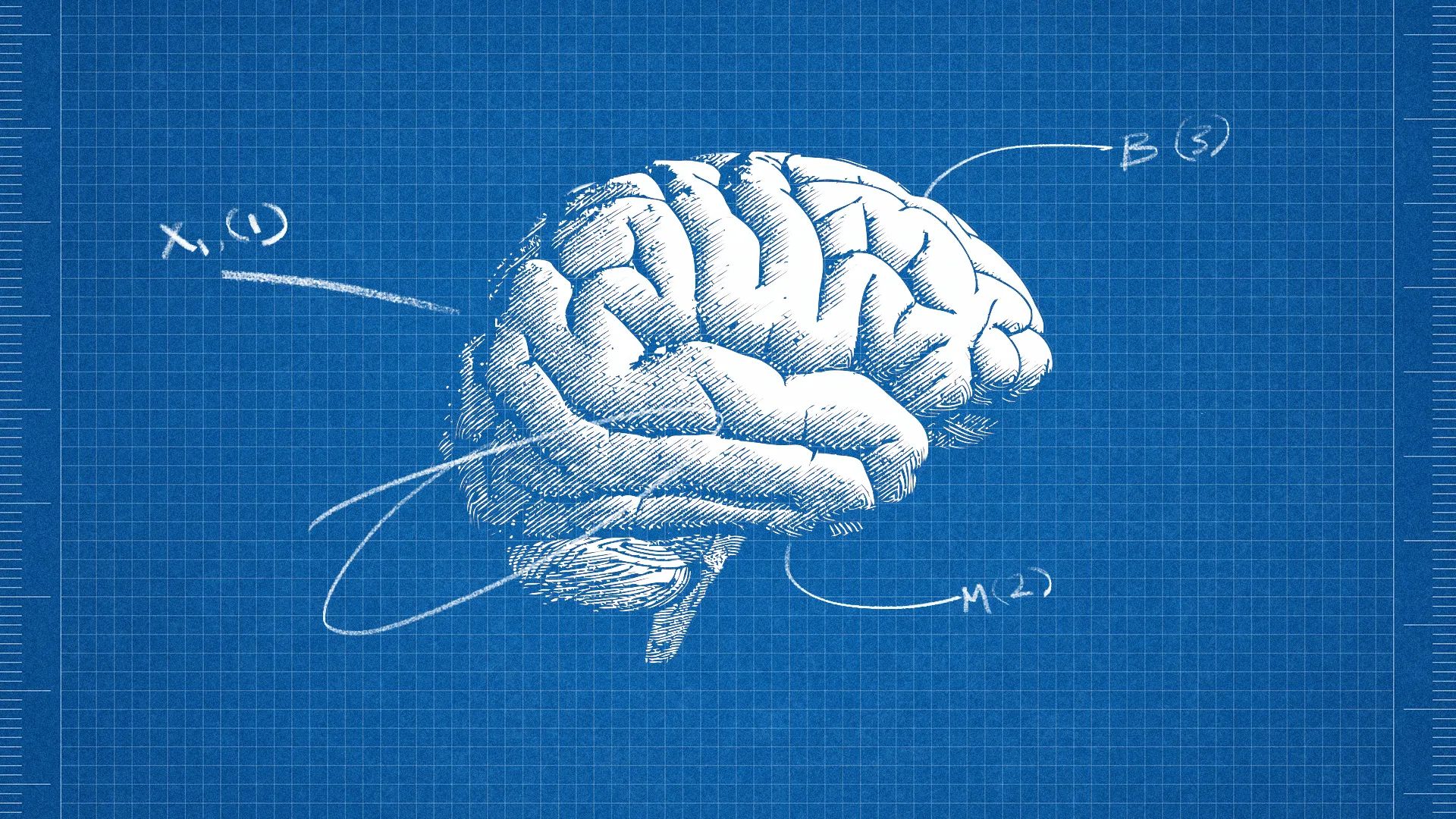
This, Pink argues, underscores the importance of being mindful of our internal dialogue. The thoughts we entertain are not insignificant background noise; they are, in essence, blueprints for our self-perception and our understanding of the world. As Daniel Pink concludes, these repeated thoughts actively construct how we view ourselves, making the practice of cultivating positive and accurate thinking a crucial aspect of personal development.
📝 About This Content
This article is based on insights shared by Daniel Pink on LinkedIn.
📅 Originally posted on April 1, 2026 | View original post on LinkedIn →