
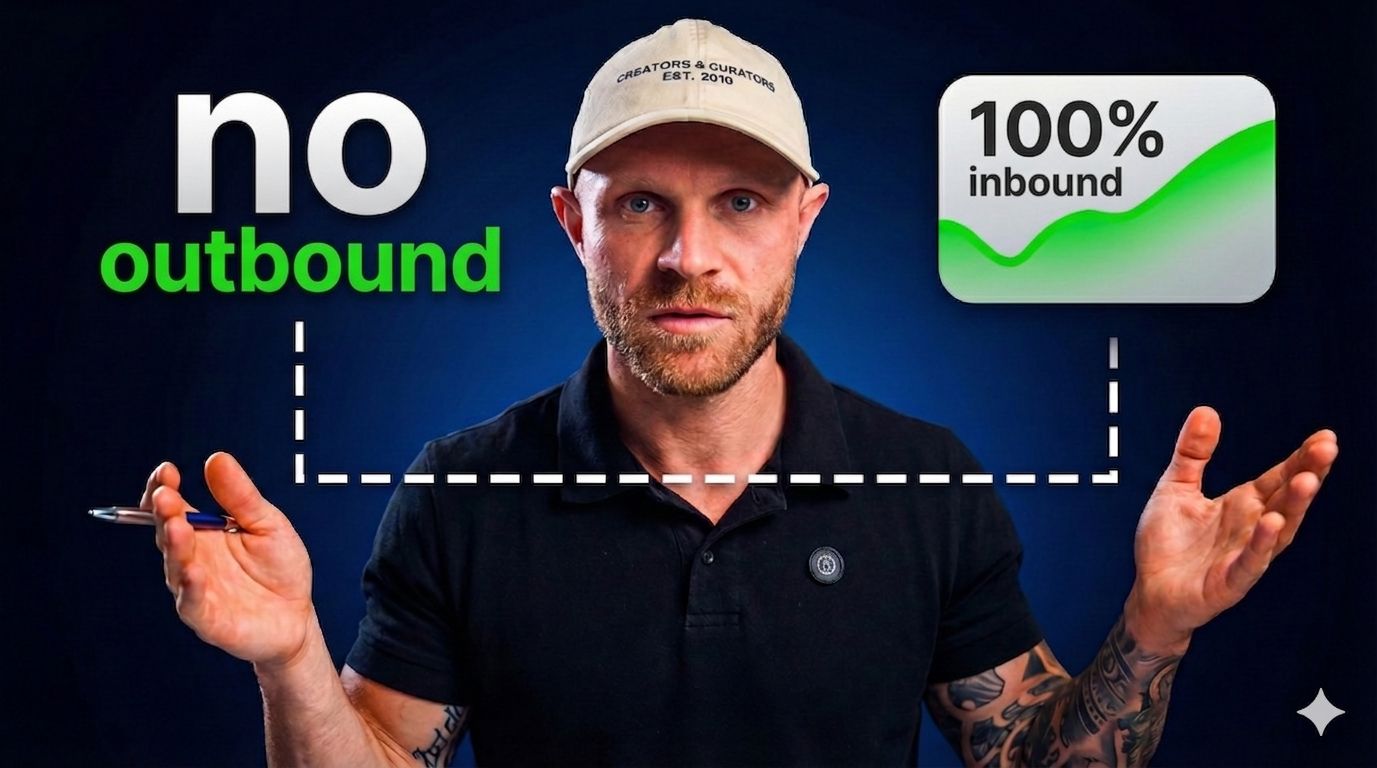
In a recent LinkedIn post, jessie van breugel discusses a common desire among business owners: attracting clients who come to them, rather than having to pursue leads. Van Breugel, who runs Authority Figures, highlights that many entrepreneurs start their businesses because they excel in their craft, not because they aspire to be salespeople. This sentiment is echoed by her clients, who often express a strong preference for an inbound client attraction model.
Van Breugel elaborates on this ideal scenario, where the need for aggressive sales tactics is eliminated. She notes the common aversion to practices like sending unsolicited direct messages, “pitch slapping” strangers, or persistently following up to the point of being blocked.
“You started your business because you’re genuinely great at what you do — not because you dreamed of becoming a full-time salesperson.”
This perspective underscores a core motivation for many entrepreneurs: a passion for their service or product, which can be overshadowed by the demands of constant sales activity. Van Breugel shares a success metric from her own business, Authority Figures, to illustrate the potential of an inbound approach.
“In fact, we sold out our April group without a single sales call. No cold outreach. No chasing. 100% inbound.”
However, Van Breugel cautions that the understanding of inbound marketing often misses a crucial element. She suggests that the path to a truly effective inbound system requires specific strategic shifts, the first of which can be counterintuitive and a common stumbling block for new clients.
Understanding the Nuances of Inbound Marketing
Van Breugel’s post emphasizes that while the goal of 100% inbound business is desirable, achieving it requires a deeper understanding than simply waiting for clients to appear. According to her, most people misunderstand how inbound marketing truly begins. This misunderstanding often leads to frustration when initial attempts at attracting clients organically do not yield the desired results.
The Three Critical Shifts
The core of Van Breugel’s message revolves around three essential shifts that business owners must make to cultivate a successful inbound client attraction system. While she details these shifts in a linked YouTube video, her LinkedIn post serves to introduce the concept and highlight the common challenges faced by her clients.
“But here’s the thing most people get wrong about inbound — it doesn’t start the way you think it does.”
As Van Breugel points out, these shifts are not always obvious and require a deliberate change in mindset and strategy. The initial counterintuitive shift is particularly important, as it challenges conventional wisdom and often requires clients to unlearn certain habits before they can embrace the more effective inbound methodologies.
The Role of Strategy Over Sales Tactics
Van Breugel’s approach prioritizes strategic positioning and value delivery over traditional, often intrusive, sales tactics. Her success with Authority Figures, demonstrated by selling out a group without any cold outreach or sales calls, serves as a testament to the power of a well-executed inbound strategy. She argues that by focusing on genuinely helping clients and demonstrating expertise, businesses can naturally attract the right audience.
“There are 3 shifts you need to make. And the first one is counterintuitive enough that it trips up almost every client we work with in the beginning.”
This method allows business owners to focus on what they do best, rather than being burdened by the constant pressure of sales. Van Breugel’s insights suggest that a strategic, client-centric approach is key to building a sustainable business where clients actively seek out your services.
📝 About This Content
This article is based on insights shared by jessie van breugel on LinkedIn.
📅 Originally posted on April 10, 2026 | View original post on LinkedIn →