
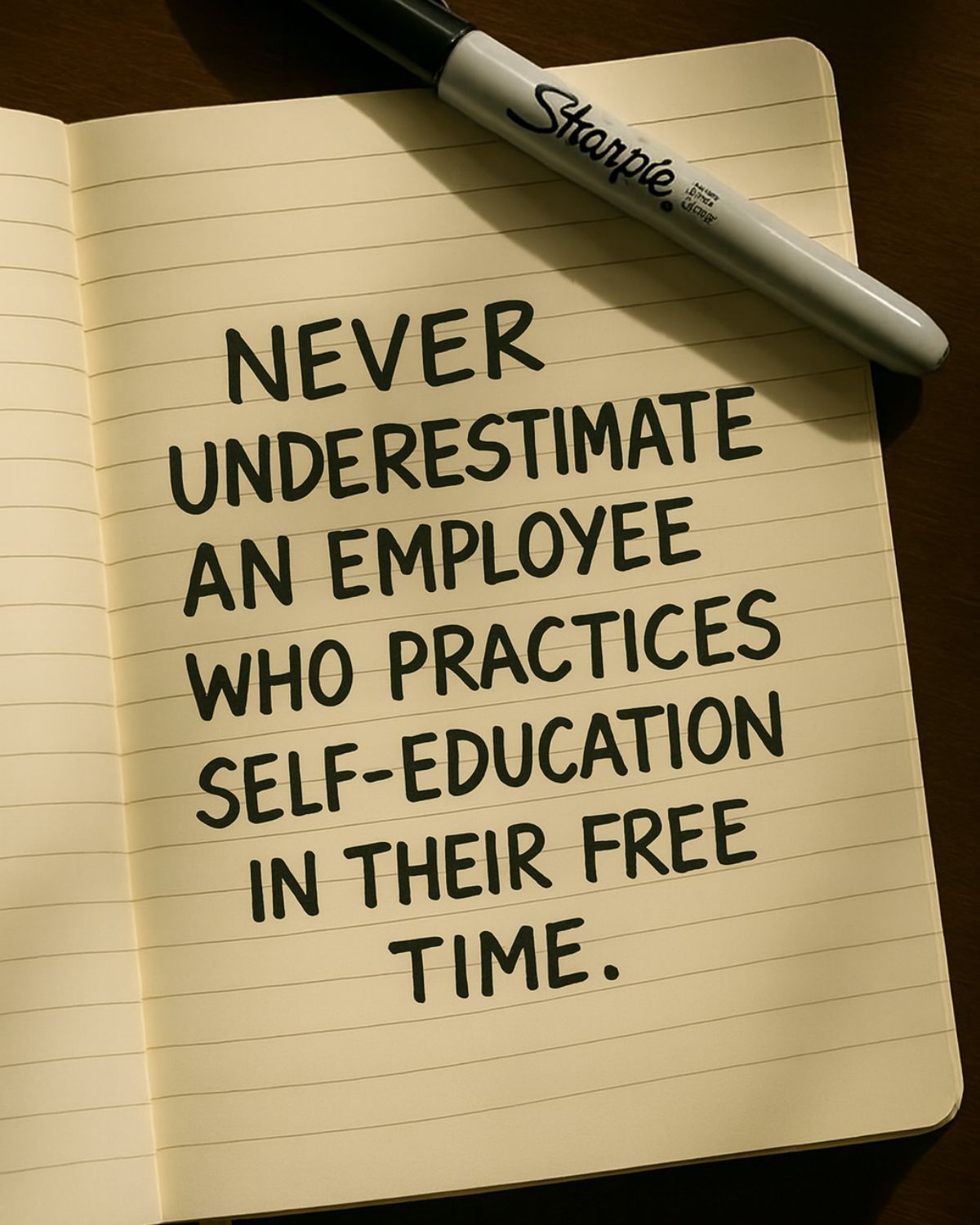
In a recent LinkedIn post, Kobi Omenaka challenges the conventional notion of the 9-to-5 workday, arguing that while it may sustain, it is insufficient for significant professional growth. Omenaka suggests that many individuals reach a plateau after their initial career steps, mastering specific tasks but failing to achieve broader development.
The core of Omenaka’s argument is that true advancement comes from treating non-work hours as dedicated training periods. This approach, when managed correctly, can foster continuous learning and skill enhancement without leading to burnout. Omenaka outlines several practical strategies for integrating this philosophy into daily life.
“The people who pull ahead treat free time as training time.”
Strategic Use of Downtime for Growth
Omenaka proposes an innovative approach to the lunch break, transforming it from a passive pause into an active learning session. The strategy, termed the “30-Minute Lunch Upgrade,” allocates specific time segments for learning, immediate application, and reflection.
The 30-Minute Lunch Upgrade
- 10 minutes to learn something new. This could involve reading an article, watching a short educational video, or listening to a podcast segment.
- 10 minutes to apply it today. The key is immediate practical application, however small, to reinforce the learning.
- 10 minutes to reflect and adjust. This involves considering what worked, what didn’t, and how to refine the approach for future learning.
By consistently implementing this daily, Omenaka calculates that an individual can conduct approximately 150 micro-experiments within a year, fostering a dynamic learning environment.
The R.A.S.E. Loop for Deeper Learning
To further solidify learning, Kobi Omenaka introduces the “R.A.S.E. Loop,” a cyclical process designed to embed knowledge more effectively.
“R – Read something useful. A – Apply one idea immediately. S – Share it so the lesson sticks. E – Evaluate with feedback from others.”
This framework emphasizes not just consumption of information but also its immediate application, dissemination through sharing, and refinement via feedback, creating a robust learning cycle.
Building a “Skill Stack” for Unstoppability
Omenaka advocates for developing a “Skill Stack” rather than focusing on a single skill. This involves integrating complementary abilities that enhance overall effectiveness.
- Mindset: Shapes cognitive approaches.
- Communication: Aligns actions with others.
- Judgment: Guides critical decision-making.
By combining these elements, Omenaka asserts that individuals can become significantly more capable and resilient in their professional endeavors.
Tracking Progress Through Output, Not Hours
A significant shift in focus recommended by Omenaka is to track tangible output rather than simply the hours worked. This method encourages efficiency and demonstrable progress.
“Track Output, not Hours… Write 3 bullets of what you did. Note 1 question you’re testing. Run 1 experiment to learn fast. Over time, this builds a library of progress.”
This approach promotes a results-oriented mindset and builds a concrete record of achievements and learning experiences.
The Power of Teaching to Own Knowledge
Finally, Kobi Omenaka highlights the profound impact of teaching learned material as a method for true mastery. Explaining a concept to another person, or sharing it publicly, forces clarity and reveals gaps in understanding.
Omenaka concludes by posing a direct challenge to readers: “What will you learn and apply outside 9–5 this week?” This question underscores the ongoing nature of professional development and the personal responsibility involved in continuous upskilling, suggesting that consistent effort leads to transformative growth.
📝 About This Content
This article is based on insights shared by Kobi Omenaka on LinkedIn.
📅 Originally posted on April 11, 2026 | View original post on LinkedIn →