
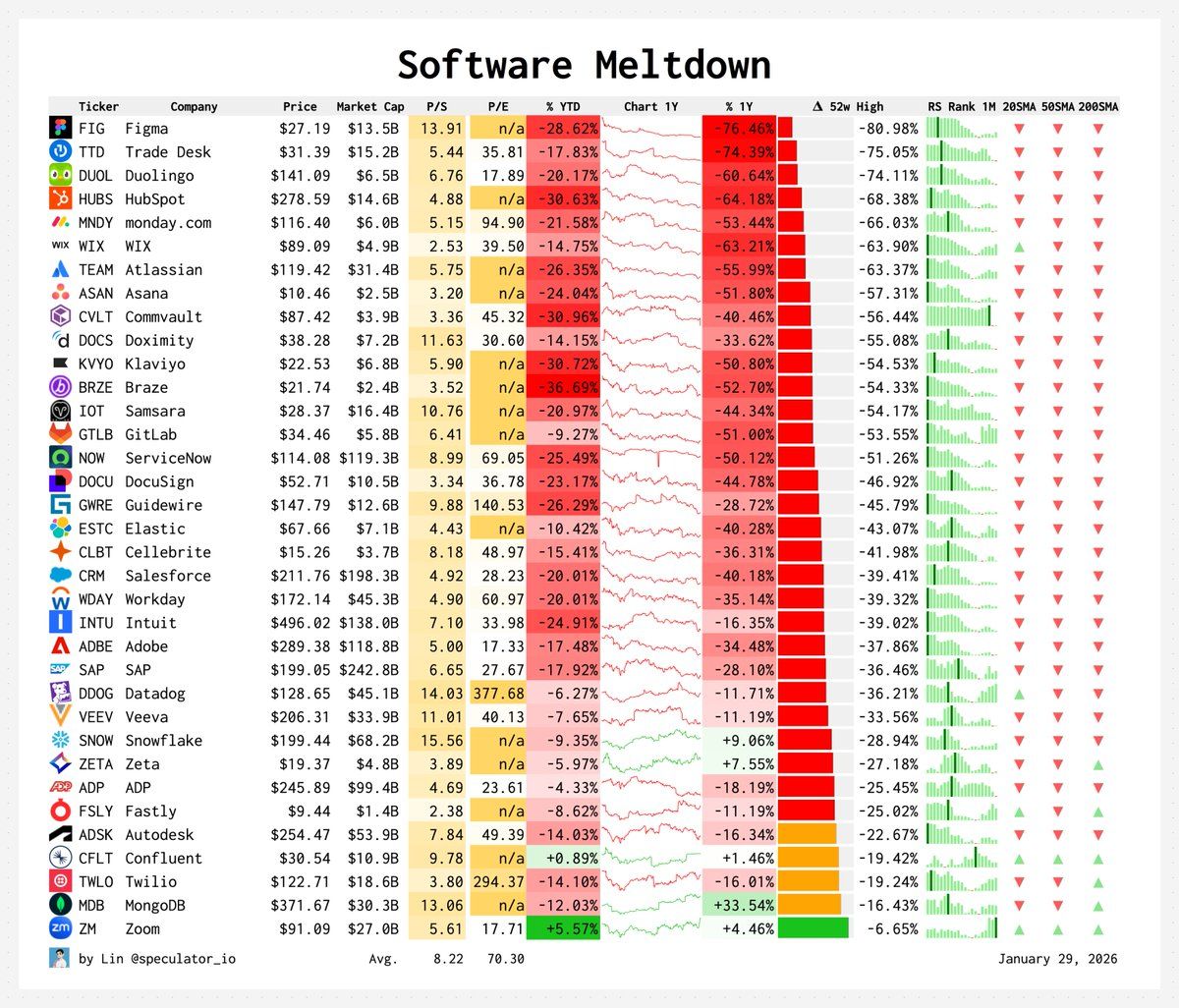
In a recent LinkedIn post, Nasir Uddin, a UI/UX founder, shared candid reflections on the evolving role of designers in the face of rapid technological advancements, particularly the rise of AI. Uddin expresses a palpable sense of unease, not about his own design capabilities, but about the future viability of design as a standalone discipline if practitioners fail to adapt. He highlights a common misconception among designers that mastering tools equates to career longevity.
The Anxiety of Market Disruption
Uddin begins by acknowledging the inherent comfort and confidence many designers feel in their craft, citing their ability to execute complex tasks like creating user flows, building design systems, and crafting high-converting interfaces. However, he points to a disquieting chart (referenced but not displayed in the text) that has prompted a deeper, more anxious contemplation about the industry’s trajectory.
As Nasir Uddin notes:
“I can design a full product experience. No stress. User flows? Done. Design systems? Done. High-converting interfaces? Done. But when I look at this chart… I just sit there like, ‘wait… what happens to designers now?’”
This sentiment underscores a critical concern: the potential obsolescence of traditional design skills when AI can perform execution tasks with increasing speed and efficiency. Uddin reflects on his own past advice to designers – to “Master your craft” and “Focus on UX” – and questions its sufficiency in the current climate.
Beyond Execution: The New Designer Baseline
The core of Uddin’s message revolves around the idea that the definition of a successful designer is fundamentally changing. He argues that relying solely on design execution is no longer a sustainable strategy. Instead, he identifies a new baseline of essential skills for designers aiming to thrive beyond 2026.
According to Nasir Uddin, the designers who will navigate this shift are:
- Strategic thinkers
- Business-aware individuals
- Those comfortable with code
- Individuals fluent in AI
- Professionals obsessed with automation
- Those focused on outcomes, not just aesthetic screens
Uddin emphasizes that these are not merely “extra” skills but have become the fundamental requirements for relevance in the modern design landscape. He challenges the prevailing notion that tools are the primary determinant of career success.
The Misconception of Tools vs. Career
Nasir Uddin points out a common pitfall:
“To be very honest… this is where most designers get it wrong. They think tools = career.”
He posits that this perspective is dangerously shortsighted. The industry, he warns, is undergoing a significant filtering process, and design execution alone will not be enough to secure a designer’s future.
Evolving for Value
Despite the sobering outlook, Uddin offers a path forward. He concludes that while design execution alone may not suffice, adaptation and evolution are key to not only survival but also increased value.
In Nasir Uddin’s view:
“But if you evolve… you’ll be more valuable than ever.”
This call to action encourages designers to embrace a broader skill set, integrating strategic thinking, business acumen, and technological fluency to remain indispensable in an AI-driven future. Uddin’s candid post serves as a timely reality check, urging designers to look beyond their current capabilities and proactively prepare for the industry’s inevitable transformation.
📝 About This Content
This article is based on insights shared by Nasir Uddin on LinkedIn.
📅 Originally posted on April 12, 2026 | View original post on LinkedIn →