
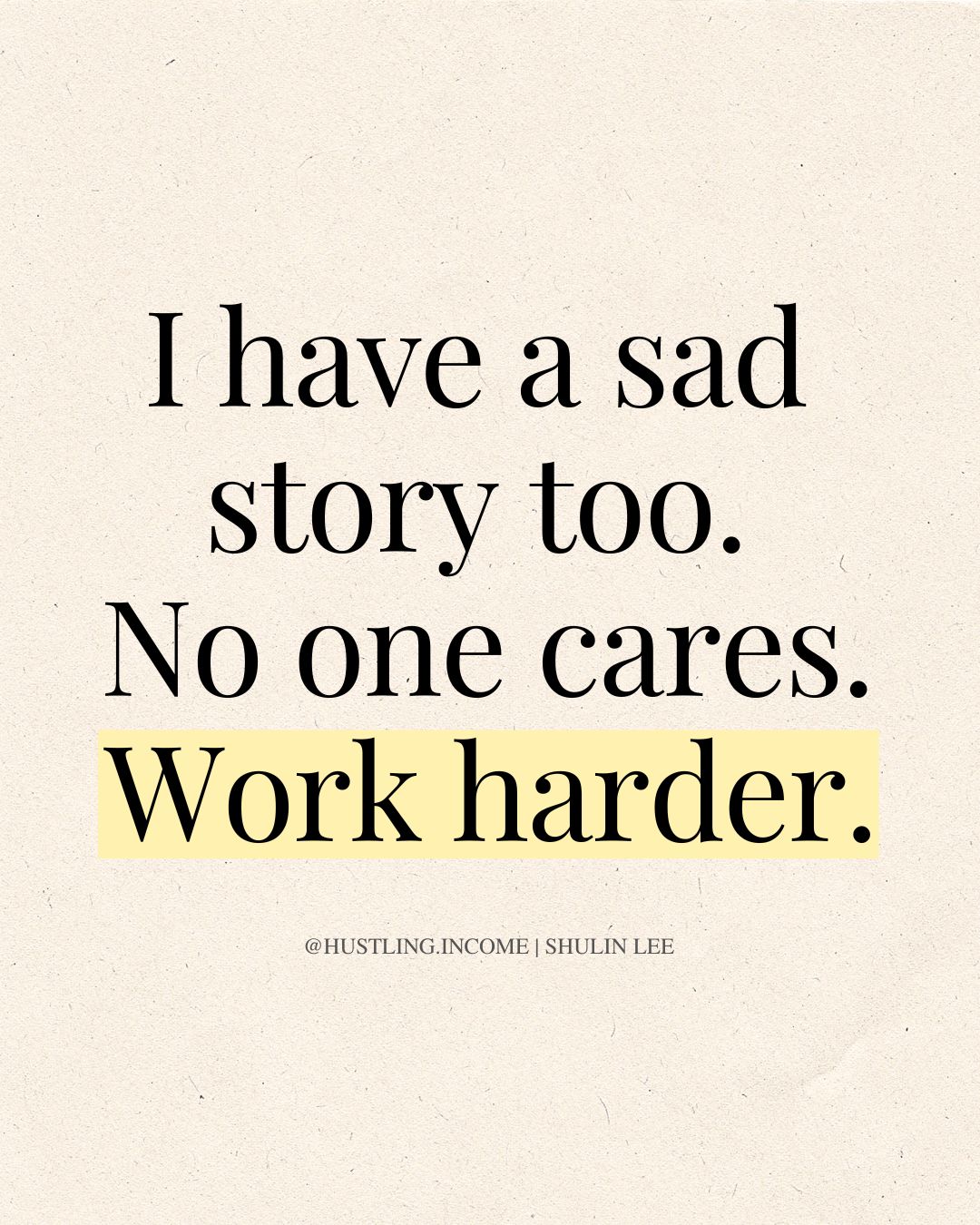
In a recent LinkedIn post, Shulin Lee offers a stark perspective on overcoming personal adversity, emphasizing that while everyone carries a difficult past, it is the response to that past, not the past itself, that dictates future success. Lee challenges the notion that individual struggles are unique or insurmountable barriers, framing them instead as common human experiences.
Lee’s central argument is that dwelling on past hardships as an excuse for present limitations is a self-defeating mindset. The post begins with a provocative statement designed to capture attention and set the tone for the candid advice that follows:
Everyone has a sad story.
Yours isn’t special.
That sounds harsh.
But it’s the truth that changed everything for me.
This directness, according to Lee, is intended to jolt readers out of a cycle of self-pity. The author recounts a personal realization that past difficulties—what Lee refers to as “the struggles. The setbacks. The unfair hands I was dealt”—were not unique identifiers but rather shared human burdens.
The Universality of Struggle
Shulin Lee contends that successful individuals, regardless of their achievements, are not exempt from hardship. The post poses rhetorical questions to illustrate this point:
The person who got the job you wanted?
They have a story too.The founder who just raised millions?
They have a story too.
According to Lee, the critical differentiator between those who advance and those who remain stagnant is not the absence of a difficult past, but the choice not to use it as a crutch. “They didn’t let their story become their excuse,” Lee asserts.
Reframing the Past’s Influence
A core theme in Lee’s message is the distinction between explanation and determination. The author emphasizes that past experiences can explain an individual’s starting point but should not dictate their ultimate destination. Lee writes:
Your past explains where you started.
It doesn’t determine where you end up.
This perspective encourages a proactive approach, shifting focus from external circumstances to internal agency. Lee’s advice is blunt yet empowering: acknowledge your past, understand its universality, and then move forward with determination.
Actionable Takeaway: Focus on Effort
The concluding remarks of the post distill this philosophy into a simple, actionable directive. Shulin Lee suggests that personal narratives, however difficult, do not garner external sympathy when they impede progress. The implied call to action is to channel the energy spent on recounting or dwelling on struggles into tangible effort and hard work.
I have a sad story too.
No one cares.
Work harder.
This final sentiment underscores Lee’s belief in the power of personal accountability and relentless effort as the true drivers of success, urging readers to embrace their past as a catalyst for action rather than a reason for inaction.
📝 About This Content
This article is based on insights shared by Shulin Lee on LinkedIn.
📅 Originally posted on April 10, 2026 | View original post on LinkedIn →