
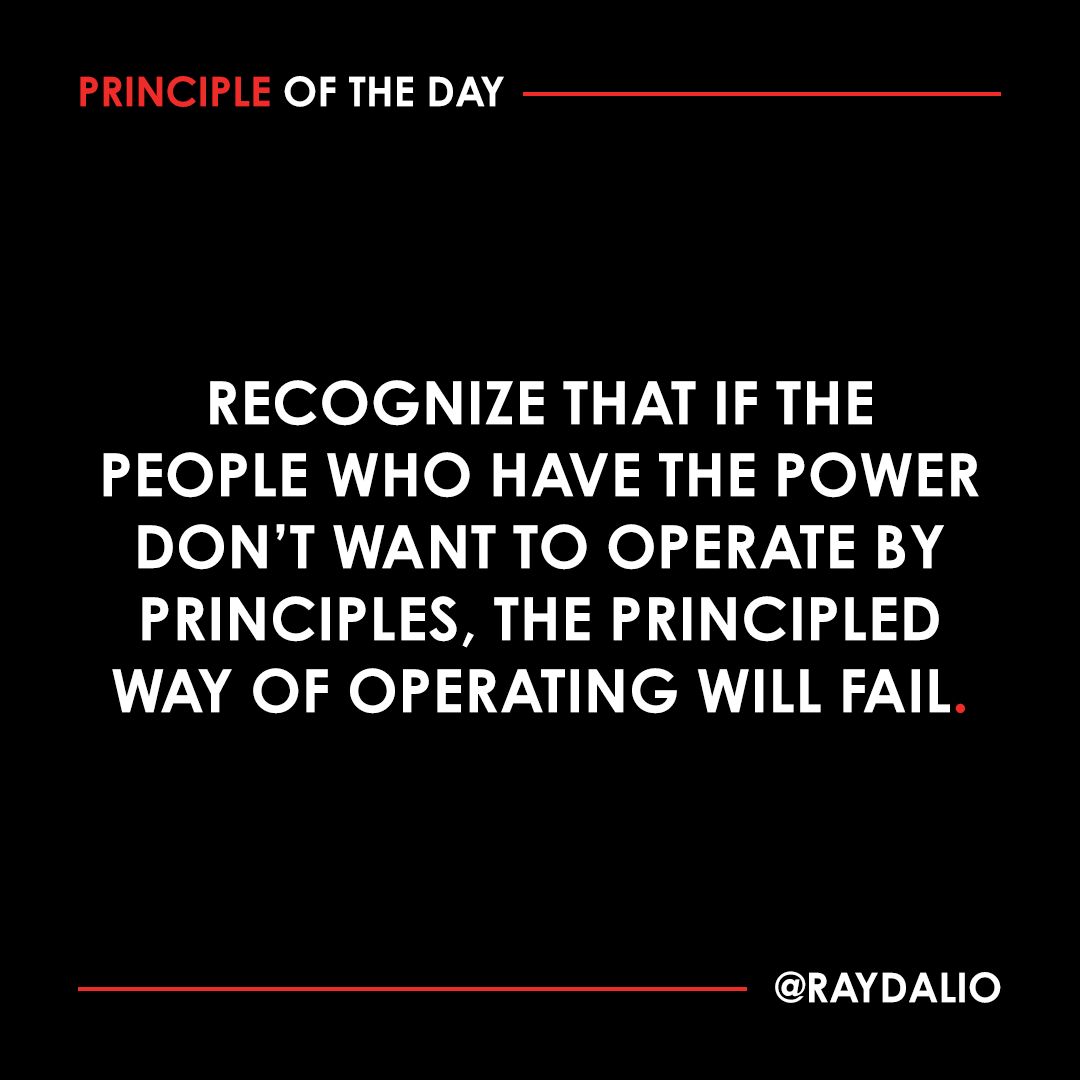
In a recent LinkedIn post, Ray Dalio explores the fundamental role of power in the functioning and potential failure of any system, particularly in governance. He posits that the longevity and effectiveness of governmental systems hinge on the alignment of power with core principles rather than individual or factional ambitions.
As Ray Dalio notes:
“Ultimately, power will rule. This is true of any system.”
Dalio’s analysis centers on the inherent tension between maintaining a system and the personal or group desires that can undermine it. He argues that a system’s integrity is preserved only when those wielding power prioritize the principles underpinning that system over their own self-interest or the interests of their immediate group.
The Principle of Power in Governance
The core of Dalio’s argument lies in the idea that power, while inevitable, must be carefully managed and distributed. He emphasizes that systems fail when individuals or groups possess sufficient power to disrupt them and a strong motivation to do so for personal gain.
According to Ray Dalio:
“When people have both enough power to undermine a system and a desire to get what they want that is greater than their desire to maintain the system, the system will fail.”
This dynamic, Dalio suggests, creates a critical vulnerability. The motivation to preserve the system must be stronger than the motivation to exploit it for immediate, personal benefit. This requires a careful selection of individuals entrusted with power.
Ensuring Systemic Stability Through Principle-Valuing Leadership
The Importance of Character in Power
Dalio proposes a solution rooted in the character of those who hold power. He asserts that power should be granted only to individuals who demonstrate a profound commitment to operating according to established principles, valuing these principles above their personal objectives or the objectives of any faction they might belong to.
In Ray Dalio’s view:
“For that reason the power supporting the principles must be given only to people who value the principled way of operating more than their individual interests (or the interests of their faction)…”
This highlights a crucial aspect of leadership: integrity and a commitment to a greater good. It’s not merely about having power, but about how that power is wielded and the underlying values that guide its use.
Fostering Widespread Support for Principle-Based Systems
Beyond the selection of leaders, Dalio also touches upon the importance of how people within the system are treated. He suggests that maintaining a principle-based system requires ensuring that the overwhelming majority of people not only accept but actively support and defend it. This widespread buy-in is fostered through fair and considerate treatment.
Dalio points out:
“…and people must be dealt with in a reasonable and considerate way so that the overwhelming majority will want and fight for that principle-based system.”
In essence, Ray Dalio’s LinkedIn post serves as a commentary on the delicate balance required to maintain stable and effective systems. His insights underscore that while power is a constant, its constructive application depends heavily on the values and motivations of those who hold it, and the inclusive treatment of those governed by it.
📝 About This Content
This article is based on insights shared by Ray Dalio on LinkedIn.
📅 Originally posted on April 13, 2026 | View original post on LinkedIn →