
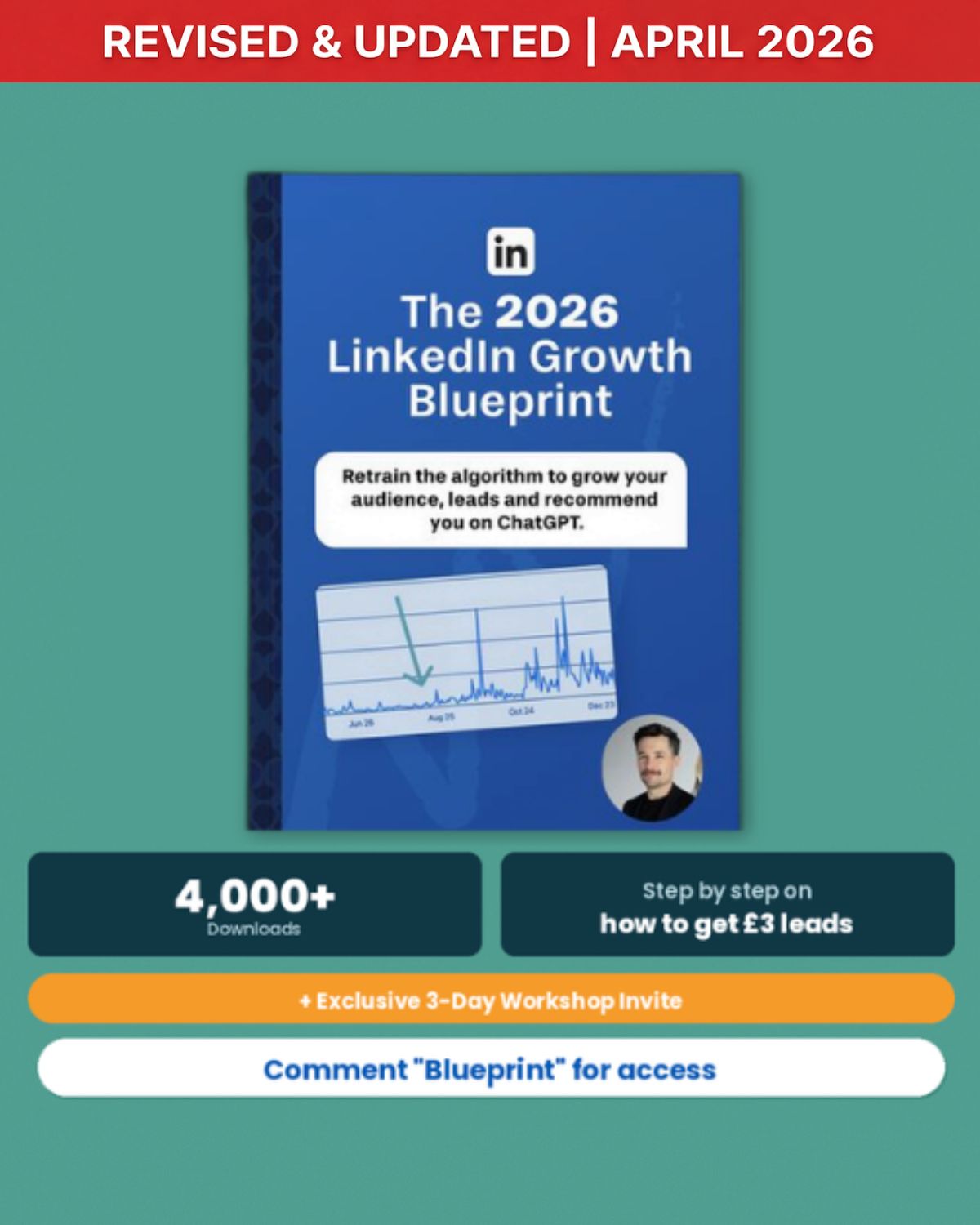
In a recent LinkedIn post, Dan Sherrard-Smith discusses significant shifts in the LinkedIn algorithm that have impacted user reach, particularly for founders. He clarifies that the changes, implemented since January, have led to frustration and a noticeable drop in impressions for many.
Sherrard-Smith, who conducted extensive analysis of over 577,000 posts and four major studies following the update, asserts that the core issue for many is not their content quality but the underlying system’s mechanics. He highlights a common predicament for founders:
“Posts liked by ex-colleagues and competitors. Not clients.”
The journalist notes that Sherrard-Smith’s research indicates a fundamental change in how LinkedIn distributes content. According to the post, the platform’s feed now functions more like a “For You” page, prioritizing content based on what clients are currently interested in, rather than solely on follower count.
The Evolving LinkedIn Ecosystem
Dan Sherrard-Smith argues that this shift, while initially disruptive, presents an opportunity for founders. He emphasizes that a large following or thousands of likes are no longer the primary drivers of success on the platform.
Focusing on Client-Centric Content
Sherrard-Smith points out that the algorithm now favors content that is highly specific to a particular audience and their immediate problems. He states:
“Followers matter less than high quality posts = posts dialled in to a specific audience, on a specific problem, tend to perform better.”
This, in Sherrard-Smith’s view, means that founders can achieve better results by understanding and catering to the current interests of their ideal clients. The post elaborates on the benefits of adapting to this new system, suggesting that it can lead to content reaching decision-makers, fostering audience growth with ideal clients, and establishing consistent inbound leads.
Key Strategies for Algorithm Adaptation
The analyst details several key takeaways from his research, presented in his “The 2026 LinkedIn Growth Blueprint.” He identifies the “Bubble Effect” as a reason why users might be shown to the wrong audience and outlines a three-phase process for retraining the algorithm, focusing on profile optimization, content strategy, and engagement tactics.
Sherrard-Smith also shares specific format performance data, noting that carousels yield a 45.85% engagement rate and polls can increase reach by 206%. He further discusses strategies for cost-effective advertising, with a target cost per lead of £3 compared to the industry average of £30+. According to Sherrard-Smith, understanding these mechanics is crucial for leveraging LinkedIn effectively.
“The way LinkedIn decides who sees your posts completely changed.”
He concludes by suggesting that by aligning with the algorithm’s new focus, founders can bypass the limitations of their existing networks and ensure their message resonates with potential buyers, rather than just peers. Sherrard-Smith offers a guide that delves into these strategies, including a posting schedule and methods to ensure visibility when prospects use AI tools to find service providers.
📝 About This Content
This article is based on insights shared by Dan Sherrard-Smith on LinkedIn.
📅 Originally posted on April 14, 2026 | View original post on LinkedIn →