
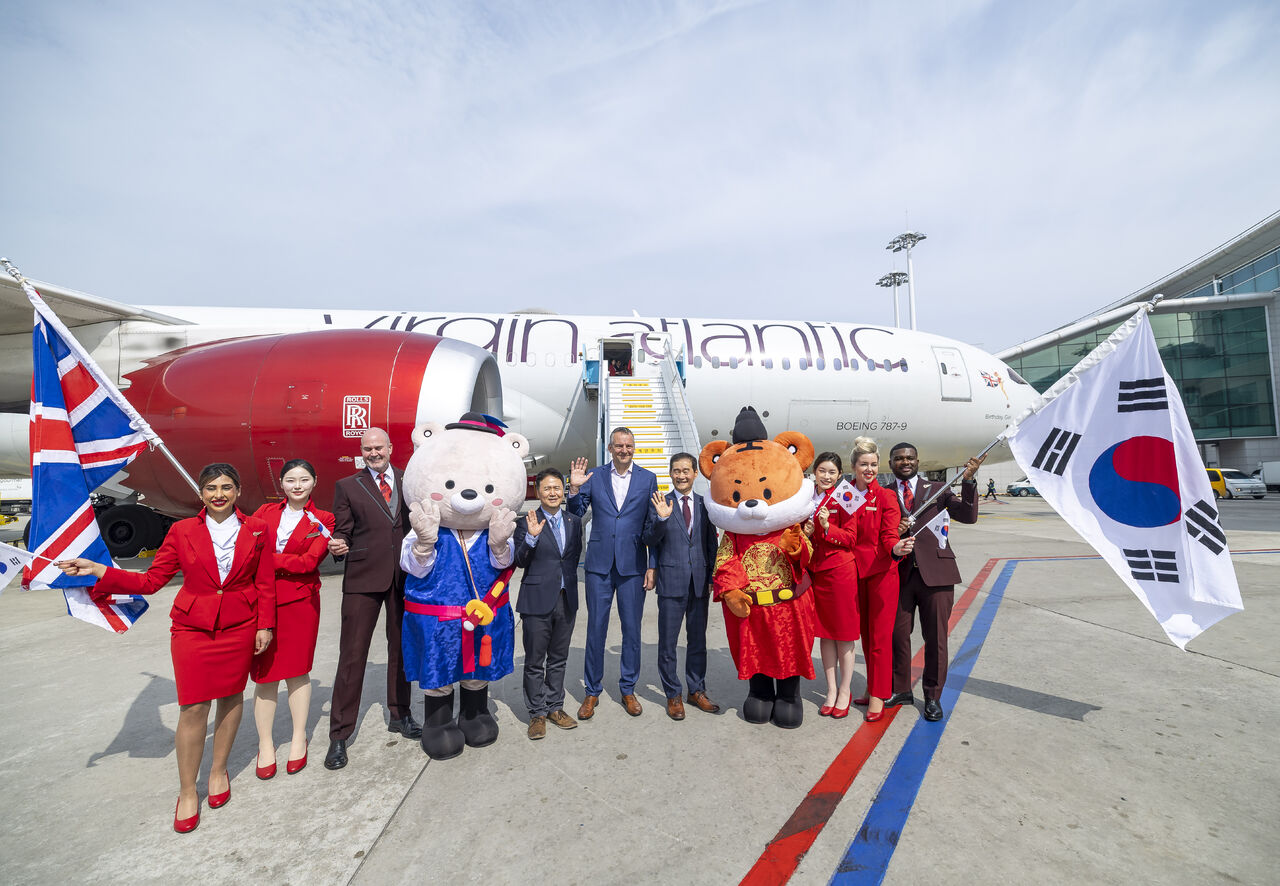
In a recent LinkedIn post, Richard Branson explores the multifaceted success of South Korea, drawing parallels between its economic transformation and the recent launch of Virgin Atlantic’s new route to Seoul. Branson, the founder of the Virgin Group, uses the occasion of the new flight to delve into what he perceives as the key drivers behind South Korea’s global influence.
Branson begins by expressing his long-standing fascination with South Korea’s remarkable economic development over the past three decades. He points to the nation’s journey as an impressive narrative of “radical innovation, coupled with extraordinary discipline and real determination to conquer foreign markets.” This industrial prowess, he notes, has led to many South Korean brands becoming globally recognized household names, particularly in sectors like automotive and personal technology.
“Whether it’s cars or personal tech, most of us are never more than a few steps away from a Korean piece of innovation.”
According to Branson, this global success was significantly aided by strategic industrial policies that prioritized research and development. He argues that these policies were instrumental in cultivating highly competitive global players, especially within the high-tech industry.
The Power of Nation Branding Beyond Industry
However, Branson emphasizes that South Korea’s influence extends far beyond its industrial and technological achievements. He highlights the nation’s strategic understanding of the value of building a strong “nation brand” that encompasses more than just its manufacturing output.
Branson details how “clever strategic investments in cultural exports, from food, to film or music, have done so much to raise Korea’s profile in the world and draw attention to all this beautiful country has to offer.” He points to the global popularity of Korean cuisine, citing the prevalence of Korean restaurants in major international cities, and the widespread success of Korean entertainment.
“Productions like Oscar winner Parasite or blockbuster Squid Games have put Korea’s creative and prolific film and TV industry on the global map. And K-pop acts like BTS and Black Pink have shown impressively that Korean-language music is well capable of storming the charts and finding a global fanbase.”
Soft Power as a Geopolitical Alternative
A significant portion of Branson’s analysis is dedicated to what he terms “soft power at its best.” He contrasts South Korea’s approach with traditional notions of dominance, stating that it comes from a country with “no imperial ambitions and no geopolitical schemes for domination or control.” Instead, Branson posits that Koreans aspire to be recognized for their rich culture, warm hospitality, and ingenuity in creating admired brands.
He concludes by suggesting that this dual strategy of industrial innovation and cultural promotion has been highly effective for South Korea. As Richard Branson puts it:
“It’s worked for them. What’s not to love?”
The article, framed as coverage of Branson’s LinkedIn insights, underscores his perspective on how a nation can leverage both economic might and cultural appeal to achieve significant global standing.
📝 About This Content
This article is based on insights shared by Richard Branson on LinkedIn.
📅 Originally posted on April 16, 2026 | View original post on LinkedIn →