
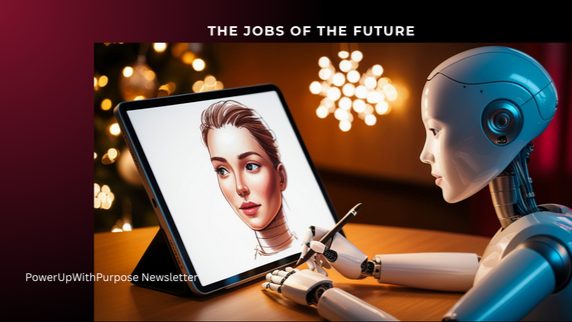
In a recent LinkedIn post, Natalie Tran explores the evolving landscape of career development, emphasizing the importance of adaptability and strategic positioning in the face of emerging job roles. Tran highlights the emergence of new, previously non-existent positions, such as a “Humanoid Robotics Adoption Strategist,” as a signifier of a rapidly changing professional world.
Tran’s core argument is that future-proofing one’s career is less about chasing traditional job titles and more about developing relevance to new and emerging challenges. This perspective challenges the conventional wisdom that simply acquiring more knowledge is the primary strategy for career longevity.
“The future of work isn’t about chasing job titles. It’s about becoming relevant to emerging problems.”
The Shift from Learning to Positioning
Natalie Tran points out that while continuous learning is often touted as the key to career security, the true differentiator lies in how individuals combine their skills and present them to the market. This strategic combination and positioning, according to Tran, is where real career resilience is built.
As Tran notes, “Learning is no longer a phase. It’s a career strategy.” However, she refines this idea by suggesting that the strategy itself needs to evolve. It’s not just about the act of learning, but the application and articulation of that learning in a way that addresses the unique needs of new industries and roles.
Identifying and Adapting to New Career Avenues
Tran’s post also serves as a resource for those looking to understand these new career paths. She directs readers to a “100 Jobs of the Future” report and website, encouraging exploration and self-assessment.
Utilizing Future Career Resources
According to Natalie Tran, these resources can be instrumental in helping individuals identify potential alignments between their existing skills and the demands of future professions. She specifically mentions a quiz designed to help users see where their skills might fit into these emerging roles.
“If you are interested in learning about new and emerging careers, this new article is for you and I have linked the 100 Jobs of the Future report and website in there (and in the comments below) worth exploring.”
Tran’s engagement with her audience is evident as she prompts discussion by asking, “Which is your favourite future career from the list?” She even shares her personal preference, stating, “Mine is 100-Year Counsellor.” This interactive element underscores her belief in the importance of active engagement with the concept of future careers.
Strategic Relevance in a Dynamic Job Market
In essence, Natalie Tran’s message is a call to action for professionals to be proactive and strategic in their career development. By focusing on becoming relevant to emerging problems and artfully positioning their unique skill sets, individuals can navigate the complexities of the modern workforce and build sustainable, future-ready careers.
“But the real shift is what you combine and how you position it.”
Tran’s insights provide a valuable framework for understanding how to thrive in an era where job titles are fluid and the ability to adapt and strategically present one’s evolving expertise is paramount.
📝 About This Content
This article is based on insights shared by Natalie Tran on LinkedIn.
📅 Originally posted on April 14, 2026 | View original post on LinkedIn →