
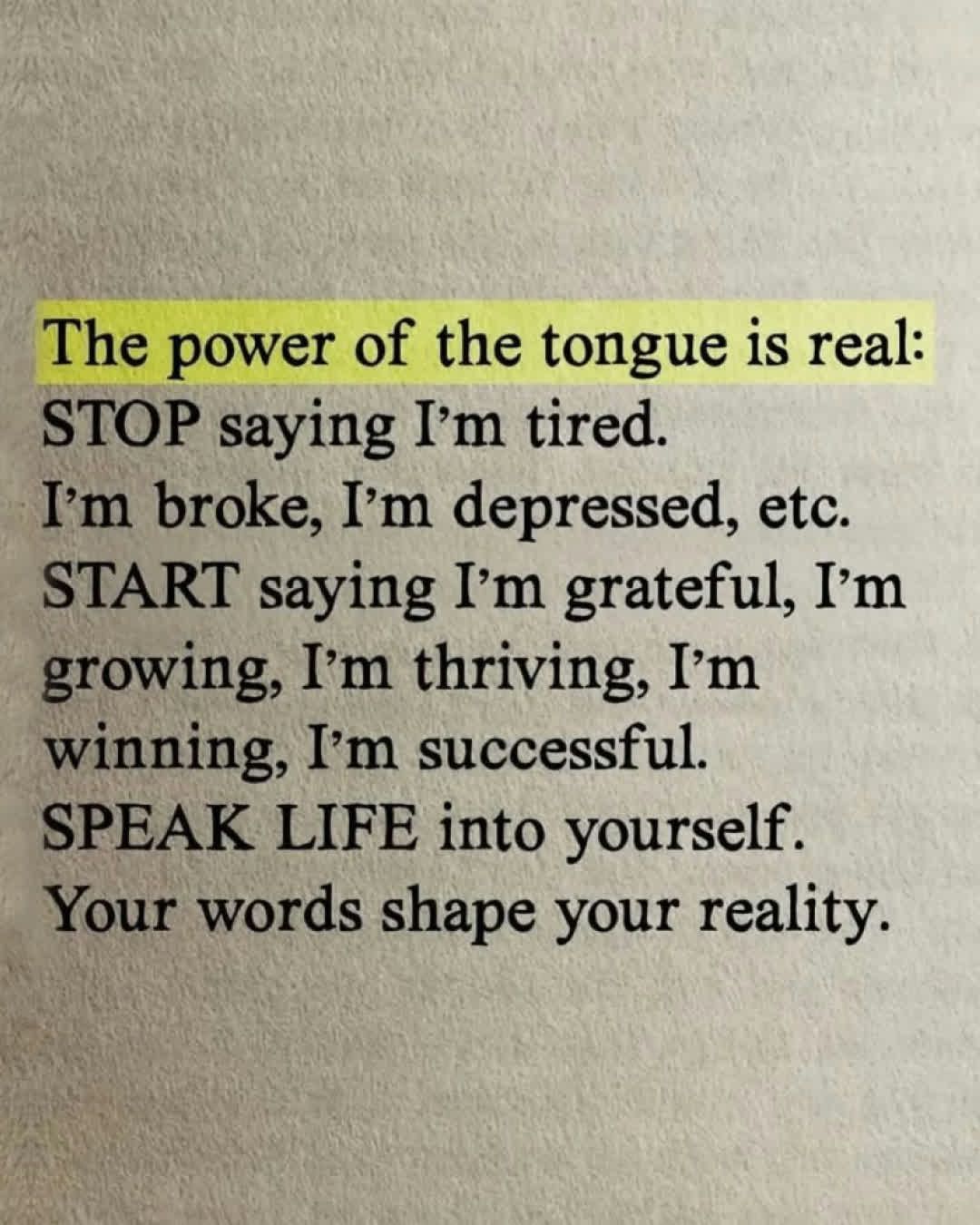
In a recent LinkedIn post, Ankur Warikoo discusses the profound impact of language on our perception of reality and our ability to overcome challenges. Warikoo highlights how the words we choose can either trap us in a cycle of dissatisfaction or propel us toward growth and self-understanding.
He begins by recounting a friend’s struggle, who attributed their inertia to a tough market and exhaustion. Warikoo observed a deeper issue: the friend’s vocabulary was reinforcing their negative state.
“Your mind is like Google. If you search ‘Is coffee good for me?’ – you’ll find thousands of articles. But you’ll also find thousands of articles for ‘Is coffee bad for me?'”
This analogy, as Ankur Warikoo points out, illustrates how our internal search engine operates. When we frame a problem negatively, our minds actively seek evidence to confirm that negative framing, leading to a self-fulfilling prophecy.
The Power of Reframing Challenges
Warikoo argues that the solution to feeling stuck or unmotivated isn’t simply finding more motivation, but rather engaging in a more critical form of self-inquiry. He advocates for replacing common, disempowering phrases with questions that probe deeper and encourage a growth mindset.
Shifting from Statements to Questions
According to Ankur Warikoo, statements like “I’m exhausted” or “I’m confused” tend to shut down problem-solving. Instead, he suggests reframing these as opportunities for learning and understanding.
- Instead of saying: “I’m exhausted.”
- Ask: “What is this showing me about my energy?”
Similarly, Warikoo proposes that when faced with confusion, one should ask:
“Which step am I most afraid to take next?”
This shift, as Ankur Warikoo emphasizes, moves the focus from a state of being to an actionable challenge. It acknowledges the underlying fear or uncertainty without allowing it to become an insurmountable barrier.
Embracing a Growth-Oriented Vocabulary
A core tenet of Warikoo’s message is the transformative potential of changing our internal dialogue. He challenges the notion of “I can’t” and offers a powerful alternative:
“I can’t.” Say: “I am learning how.”
This simple linguistic adjustment, Ankur Warikoo explains, reframes a perceived limitation as a process of development. It acknowledges that while a skill or task may not be mastered yet, the capacity to learn and improve exists.
He notes that this kind of internal work is challenging and often uncomfortable initially. However, he asserts that our minds are remarkably adept at finding evidence to support whatever narrative we provide them. By consciously choosing a new, growth-oriented story, we harness this ability for personal advancement.
In conclusion, Ankur Warikoo’s LinkedIn post serves as a compelling reminder that our words shape our reality. He urges readers not to wait for external circumstances to change, but to proactively alter their language to foster personal growth and resilience.
📝 About This Content
This article is based on insights shared by Ankur Warikoo on LinkedIn.
📅 Originally posted on April 18, 2026 | View original post on LinkedIn →