
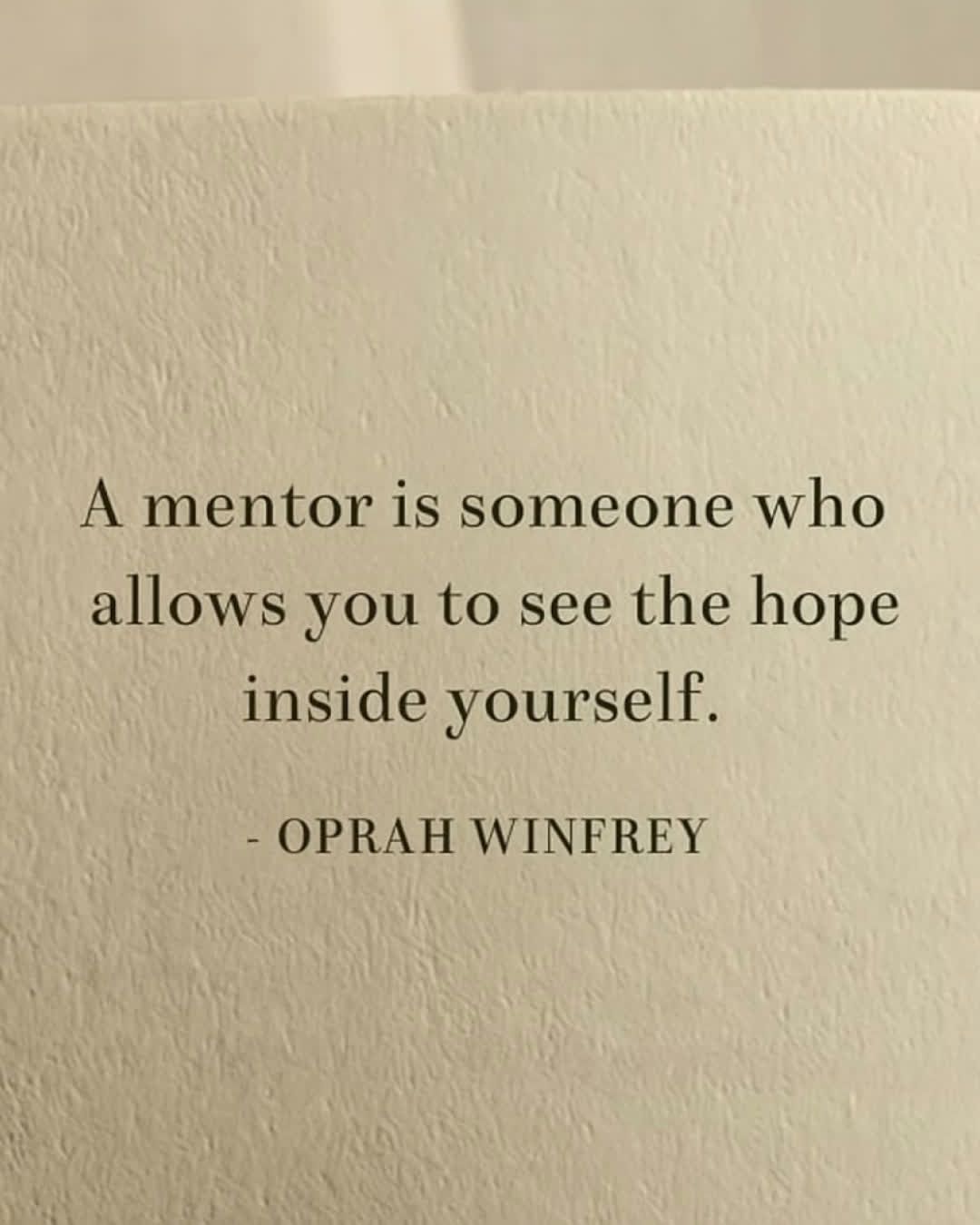
In a recent LinkedIn post, Ankur Warikoo discusses the often-overlooked nuances of finding effective mentors, shifting the focus from simply seeking guidance to strategically identifying and approaching the right individuals. Warikoo, a prominent figure in the business and personal development space, emphasizes that the quality and nature of a mentor relationship are paramount to its success.
Warikoo begins by outlining key characteristics of a good mentor, challenging conventional wisdom. He asserts that a single mentor cannot possibly cover all aspects of professional and personal growth. Instead, he advocates for a multi-mentor approach.
“The mentor should NOT be the only one you have. One person can’t take care of everything. You need to have multiple mentors catering to fields they can help with.”
As Ankur Warikoo notes, this diversification of guidance allows for specialized advice tailored to specific areas such as finance, career trajectory, spirituality, or people management. This strategy, he explains, ensures a broader and more comprehensive support system.
The Ideal Mentor Profile
Beyond the need for multiple mentors, Warikoo delves into the ideal age and mindset of a mentor. He argues against seeking mentors who are significantly older, suggesting a smaller age gap is more beneficial for relatability.
“The mentor should NOT be much older than you. […] What you want is a mentor who is 5-10 years older than you. So that they offer a relatable perspective.”
In Warikoo’s view, a mentor who is only a few years senior is more likely to understand the current challenges and experiences of the mentee, offering practical and relevant advice. This contrasts with the potential disconnect that might arise from a mentor whose own formative experiences are too distant from the mentee’s current reality.
Furthermore, Warikoo highlights the importance of a mentor’s perspective being distinct from the mentee’s own. He believes that true mentorship involves challenging the mentee’s thinking rather than merely reinforcing it.
“The mentor needs to challenge your thinking; ask you questions to push you in a new direction that you could explore.”
This intellectual friction, according to Warikoo, is crucial for fostering growth, encouraging exploration of new ideas, and preventing stagnation.
Strategic Approach to Mentorship
Transitioning from the ‘what’ to the ‘how,’ Warikoo provides actionable advice on approaching potential mentors. He advocates for a direct and clear methodology, moving away from passive requests.
Crafting the Approach
Warikoo suggests practical steps for initiating contact and structuring the mentorship engagement:
- Send cold emails to potential mentors.
- Request a specific, limited time commitment, such as one hour per month.
- Clearly define the objectives for each session and provide updates on progress.
According to Ankur Warikoo, the key to securing this time is to be specific about your needs and demonstrate your commitment to acting on their advice. He concludes with an encouraging note:
“As long as you are not looking for a celebrity as your mentor, you will be surprised by how many people will find the time and space to help you.”
This perspective suggests that many professionals are willing to offer guidance if approached respectfully and with a clear purpose, provided the expectations are realistic and the mentee shows genuine initiative.
📝 About This Content
This article is based on insights shared by Ankur Warikoo on LinkedIn.
📅 Originally posted on April 25, 2026 | View original post on LinkedIn →