
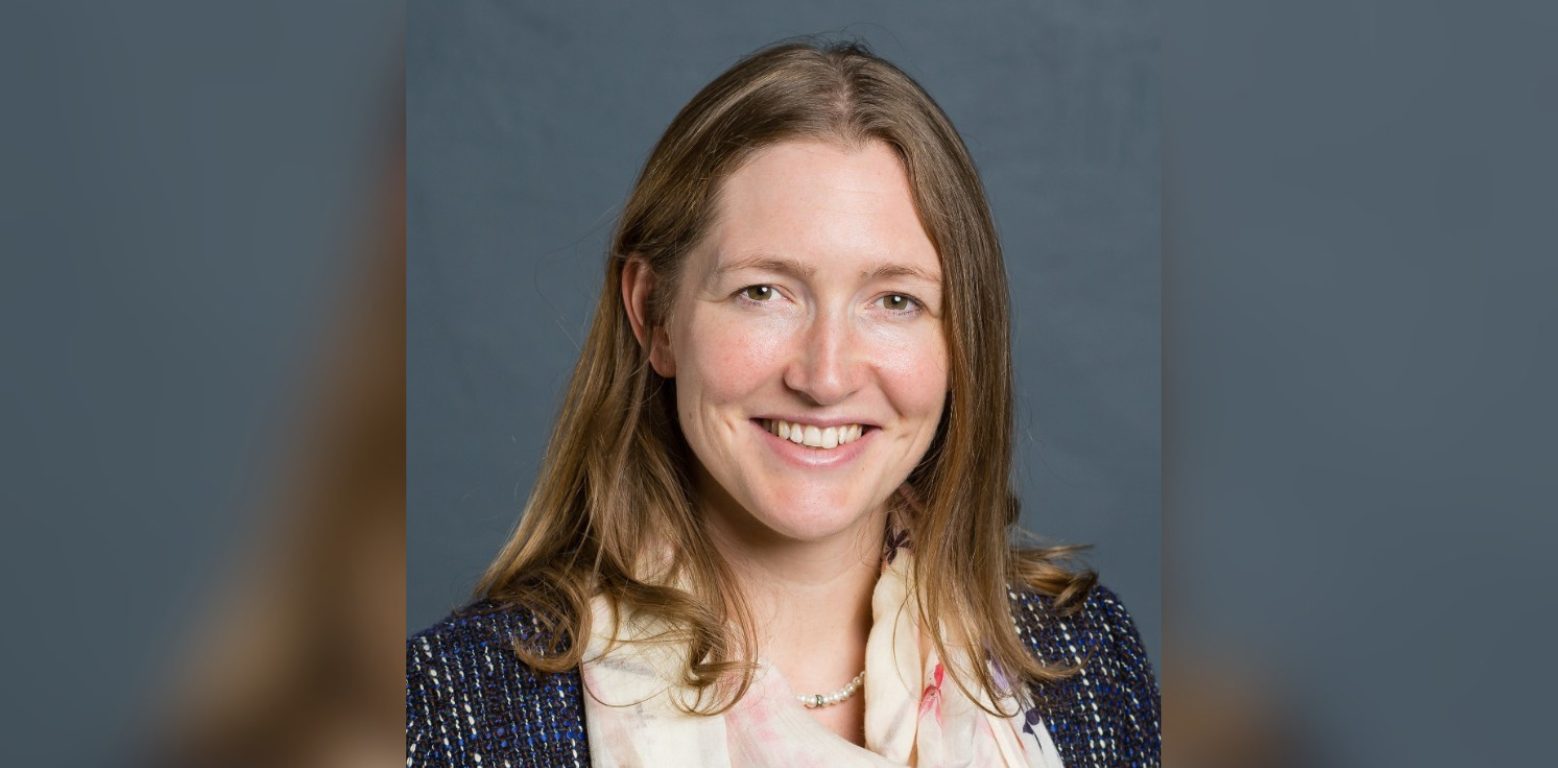
An injury took Penny Wilkie to an area she had previously avoided, and she has thrived ever since!
What’s your story?
My career was (re)shaped early on when a back injury forced me out of audit. You can’t spend your life carrying files between client rooms when getting through a normal day is a battle. So I switched to tax, a specialism I’d never have chosen, and thrived! Most importantly, I learned that the best moves are often unplanned.
From that point, I stopped trying to build a tidy career. Across FP&A, M&A, transformation, tax, and Chief of Staff roles, I’ve sat at very different tables. That breadth energises me and, I think, gives me a different way of seeing.
What excites you most about your industry?
The moment a leadership team can move from debating data to making decisions. When finance is the thing that unlocks that shift from analysis to action, that’s where I want to be.
What drives you in your career to push beyond what other people consider normal?
I love problems, or more specifically solving gnarly ones. Whether it’s a leadership team that can’t agree on priorities or a finance function that’s producing reports nobody reads, I find it almost impossible to walk past problems like that without wanting to fix them.
What have been the most useful skills you have learnt and applied in your journey?
The first is building trust, which means being willing to have uncomfortable conversations. Counter-intuitively, trust is often built through these moments.
When I joined one company as a new finance business partner, I was open with stakeholders about where I felt finance was falling short. It was a risk, but that honesty gave me a much clearer picture of how to support them and built much stronger buy-in.
The second skill is simplifying complexity. The numbers matter, but the real value is helping people see insights, not just a mountain of data.
What’s the best piece of advice you ever received?
Don’t think about managing your time as much as you think about managing your energy.
Thinking in terms of what gives me energy versus what drains it has been far more powerful than any productivity system. It’s also made me much more deliberate about the work I take on and the people I spend time with.
Who inspires you?
The person who stays with me most is someone I met in my 20s through a voluntary organisation, a retired woman who completely lit up the room by being utterly fearless and unapologetically herself. She said exactly what she thought, and had this remarkable ability to make everyone around her feel that was possible for them too. At the time it was both startling and mesmerising. I still carry it, particularly in those professional moments when the most valuable thing you can do is ask the difficult question.
What have you learnt recently that blew you away?
I recently read Annie Duke’s books Thinking in Bets and Quit. Her background is as a poker player so she brings a very interesting perspective, for example, that decisions should be judged on the quality of the process rather than the outcome, as luck plays a much bigger role than we tend to admit. I was also fascinated by how strongly, and on occasion illogically, we are wired to persist, even when quitting is the obvious choice.
If you had your time again, what would you do differently?
I’d protect my calendar far more ruthlessly. Empty time isn’t wasted time, it’s where the best thinking happens. That is something I did not realise for too many years.
How do you unwind?
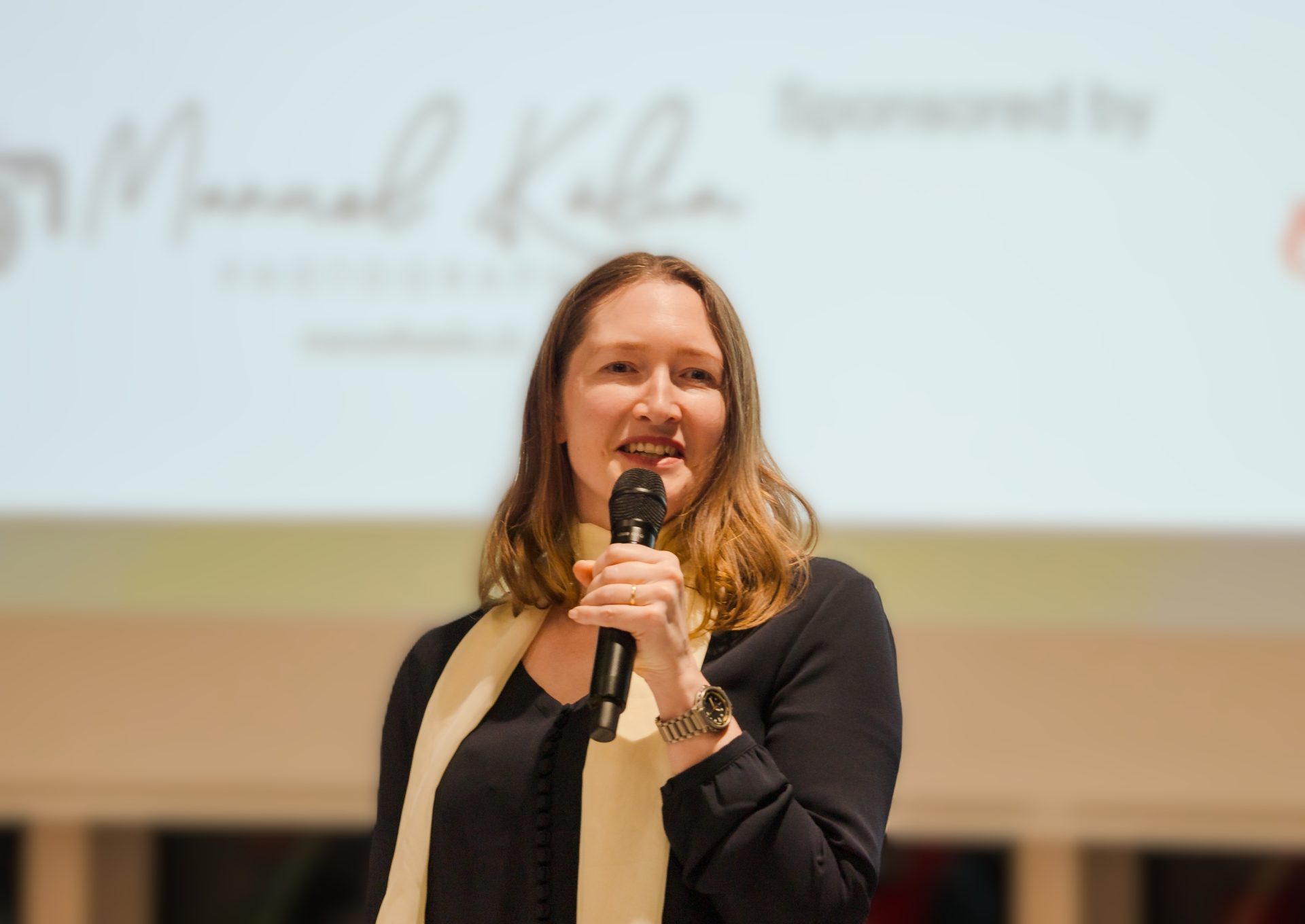
Sitting still has never been a strong point of mine so I have always enjoyed exercise. I am a particular fan of open water swimming and I do the odd long distance bike ride. Beyond that, I find I recharge through people. I get a buzz from connecting individuals who wouldn’t otherwise have met, which is part of why I enjoy organising events through bodies such as the British Swiss Chamber of Commerce. I find the energy and engagement in a room from bringing people together is almost magic.
What is a major mindset change, belief shift or ‘ah ha’ moment that you’ve experienced in relation to your career?
Realising that not knowing something can be a superpower – albeit one that is difficult to convince people of! Early in a role where I was completely new to a complex calculation, I was paranoid about getting the budget numbers wrong. So I ignored the existing analysis and built my own from scratch. It turned out I’d accidentally created something the organisation didn’t have at a global level. By the end of that week, I owned that analysis globally.
That taught me expertise can blind you. Sometimes the simple questions highlight something important that people are too close to spot.
Everyone in business should read this book:
Stephen Covey’s The 7 Habits of Highly Effective People. I first read it early in my career and it’s still the book I remember most strongly.
What stays with me is the core argument: that effectiveness comes from personal responsibility, long-term thinking, and genuine trust-based relationships. No hacks, no shortcuts, but timeless principles that hold because they reflect how people actually work.
Shameless plug for your business or career:
I work with leadership teams who are either flying blind or drowning in dashboards and help them find the ground in between. As a finance leader, NED, or startup mentor, my job is to make the next decision obvious. If any of that sounds familiar, happy to chat.
How can people connect with you?
LinkedIn: https://www.linkedin.com/in/penny-wilkie
Social Media Links?
https://www.linkedin.com/in/penny-wilkie
This interview is part of the CallumConnects series.