
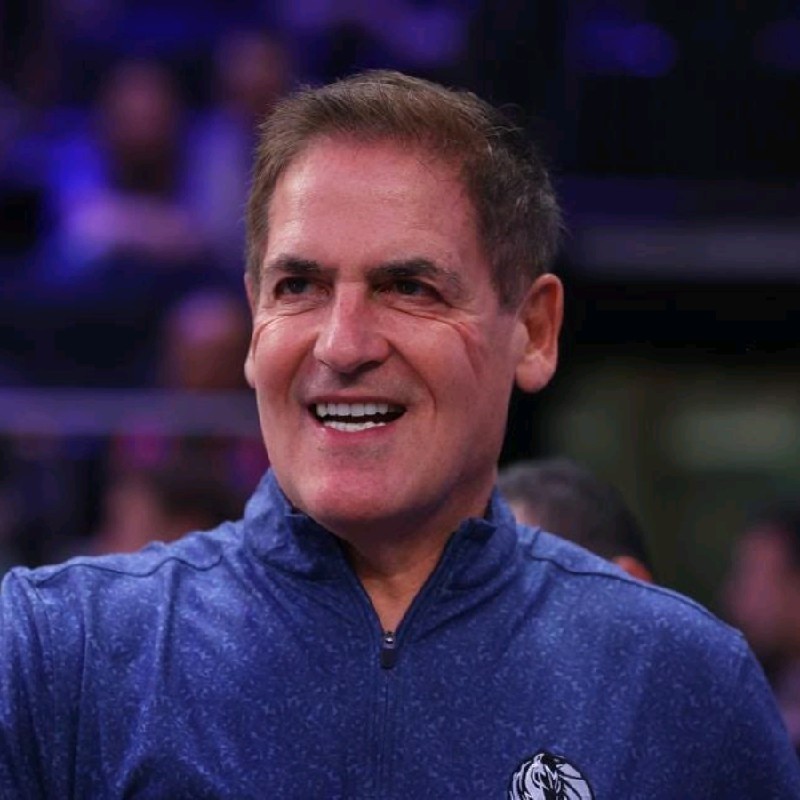
In a recent LinkedIn post, Mark Cuban has shed light on what he describes as an “extreme outlier” experience faced by a patient seeking coverage for a critical treatment, raising serious questions about the health insurance appeals process. Cuban, known for his outspoken views on business and healthcare, detailed the case of Amanda Hynst, who was denied coverage for IVIG treatment by Dean Health Plan, a subsidiary of Medica.
Questionable Appeal Process Uncovered
Cuban’s post details a series of concerning events surrounding Hynst’s appeal. According to Cuban, the initial appeal was denied rapidly, with seemingly little review. A subsequent committee meeting, scheduled with less than 24 hours’ notice, presented a significant challenge for Hynst’s treating neurologist to attend. Cuban highlights the plan’s refusal to identify the reviewers in advance and the pressure Hynst felt to withdraw her appeal.
“Having seen thousands of appeals now in running @GetClaimable, this is an extreme outlier, and yet the story gets SO. MUCH. WORSE:”
This statement from Cuban underscores his belief that the situation, while already egregious, devolved further.
Outsourced Reviews and Potential Conflicts of Interest
A key point of contention raised by Mark Cuban is the outsourcing of the appeal review process. He points out that the plan utilized a third-party company specifically designed to serve health plans and insurance carriers. Cuban expresses alarm over the reviewers’ conflict-of-interest disclosures and the credentials of those involved.
Concerns Over Reviewer Qualifications
Cuban noted the extensive licensing of some reviewers, with one licensed in 35 states and another in 50. More disturbingly, he highlighted that at least one reviewer had faced public reprimands from multiple state medical boards. One such reprimand, as detailed by Cuban, involved a medication dosing error on a stroke patient that allegedly led to the patient’s death.
“One of the reviewers has been publicly reprimanded by multiple state medical boards. One of those reprimands is for a medication dosing error on a stroke patient conducted via videoconference. Allegedly, he documented the patient’s weight in kilos instead of pounds and ordered the wrong dose. The patient died.”
This stark revelation, presented by Cuban, casts a shadow over the impartiality and competence of the reviewers making critical healthcare decisions.
The Disconnect Between Treating Physicians and Anonymous Reviewers
Cuban concludes his post by drawing a sharp contrast between the ignored expertise of Hynst’s treating neurologist and the decisive power of anonymous reviewers with questionable backgrounds. He frames the situation as one where a physician with direct knowledge of the patient’s case was disregarded, while reviewers with disciplinary actions, including a patient death, held sway.
“The status today: A treating neurologist with direct knowledge of this case, ignored. Anonymous reviewers with board reprimands and a patient death on record, decisive.”
Mark Cuban’s analysis on LinkedIn serves as a critical examination of systemic issues within health insurance appeals, urging greater transparency and accountability in decisions that profoundly impact patient care.
📝 About This Content
This article is based on insights shared by Mark Cuban on LinkedIn.
📅 Originally posted on May 4, 2026 | View original post on LinkedIn →