
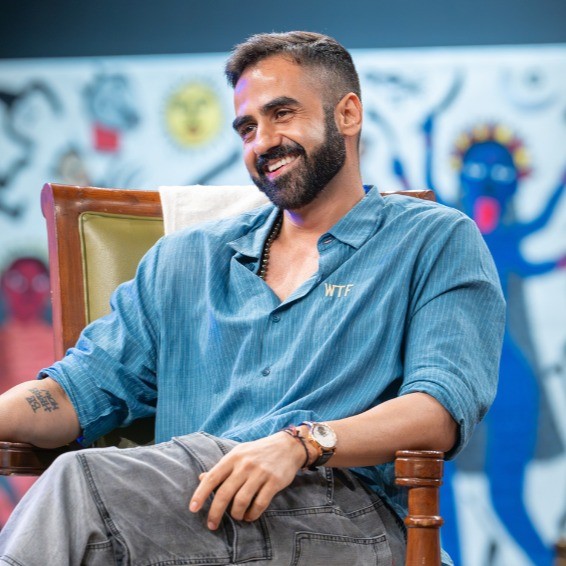
In a recent LinkedIn post, Nikhil Kamath delves into the nature of happiness, the necessity of change, and his personal shift away from active trading. Kamath, co-founder of Zerodha, uses his platform to share evolving perspectives, suggesting that embracing a form of strategic hypocrisy might be key to adapting in a rapidly changing world.
The discussion stems from a common question posed to the entrepreneur: whether he is genuinely happy. Kamath expresses a nuanced view on happiness itself, proposing that ‘distraction is the closest’ he gets to it. This introspection leads him to a broader observation about the human condition and the accelerating pace of modern life.
“55 episodes, 1500+ questions in, the one realisation that keeps reinforcing itself: we all need to become hypocrites. Expedited by AI. Believe in something today, something else tomorrow, something else day after… You can’t hold pre-existing beliefs as a crutch when they get in the way of your rate of change…”
Kamath argues that rigid adherence to past beliefs can hinder progress, especially in an era influenced by rapid technological advancements like AI. He posits that the ability to adapt one’s beliefs and viewpoints in response to new information or changing circumstances is crucial for navigating the future. This perspective challenges conventional notions of consistency, suggesting that flexibility in belief systems is not a flaw but a necessary tool for evolution.
The Role of Questioning and Change
Central to Kamath’s thesis is the relationship between inquiry and transformation. He states unequivocally, “Questioning is the beginning, change is the outcome.” This highlights his belief that a continuous process of challenging existing ideas and assumptions is the fundamental driver for personal and societal development. By encouraging exploration and discouraging dogmatism, Kamath suggests that individuals can foster a more dynamic and responsive approach to life’s challenges.
A Personal Shift: From Trading to Long-Term Investing
Kamath also reveals a significant personal transition: his decision to move away from active trading. This is a substantial shift for someone known for his expertise in financial markets. He mentions that he is “still coping with it,” indicating the emotional and psychological adjustment involved in letting go of a long-held practice.
“Have given up on trading, which is a big change for me, doing only really long term investing now, still coping with it…”
This personal anecdote serves to underscore his broader point about embracing change. By sharing his own struggle with adapting to this new phase, Kamath humanizes his message and demonstrates the practical application of his philosophy. His move towards long-term investing signifies a commitment to a different pace and strategy, aligning with his call for faster adaptation.
Rethinking ‘Hypocrisy’
Kamath concludes his post by reframing the concept of hypocrisy. Instead of viewing it as a negative trait, he suggests that it can be a positive attribute when understood as the capacity for rapid belief evolution.
“The moral: hypocrisy is not bad. Change faster.”
In Kamath’s view, the ability to pivot and adapt, even if it means appearing inconsistent to others, is a sign of intellectual agility and a necessary skill for thriving in the modern world. He encourages a mindset that prioritizes growth and responsiveness over steadfast, potentially outdated, convictions.
📝 About This Content
This article is based on insights shared by Nikhil Kamath on LinkedIn.
📅 Originally posted on May 9, 2026 | View original post on LinkedIn →